
The Best Gobies for Small Reef Aquariums

The Best Gobies for Small Reef Aquariums
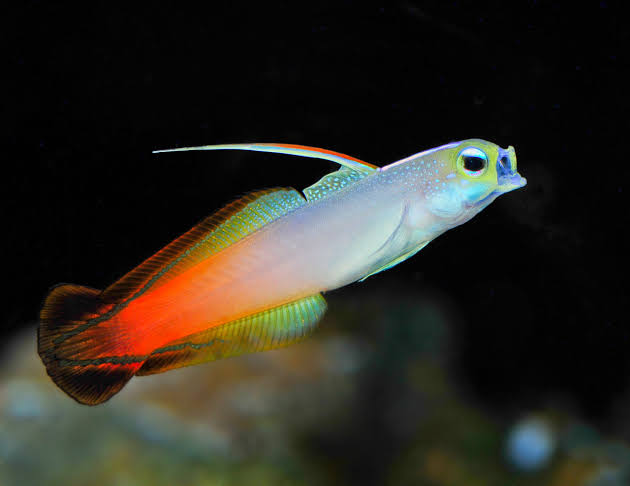
Small reef tanks need small fish with big personalities, and gobies check both boxes. They stay tiny. They rarely bother other tank residents. They bring constant motion to the sand bed and rockwork. If you’re stocking a nano or small reef tank, gobies belong near the top of your list.
Why Gobies Work So Well in Small Tanks
Most gobies stay under four inches, which makes them a natural fit for tanks that can’t support larger, more active swimmers. They’re peaceful toward tankmates and easy to feed. Many species spend their time close to the substrate instead of competing for open water space. That means you can stock a small tank with several peaceful species without anyone crowding anyone else out.
They Don’t Need a Big Tank to Thrive
A goby doesn’t need room to roam the way a tang or an angelfish does. Most are happiest with a burrow, a patch of sand, or a favorite rock to perch on. That makes them one of the few reef fish that actually fit a small aquarium’s limitations instead of fighting against them.
Top Goby Picks for a Small Reef Tank
Hector’s Goby
This small algae-grazer keeps rockwork clean and adds bold yellow striping to the tank. It’s peaceful and easy to care for. It’s priced around $34.99 at Dr. Reef’s goby collection, making it one of the better value picks for a first goby.
Diamond Goby
The Diamond Goby is a peaceful sand-sifter. It spends its day working through the substrate, helping keep the sand bed clean in the process. It runs around $129.99 and does best as a single specimen or bonded pair in a tank with open sandy space.
Masked Goby
Small, translucent, and highly social, the Masked Goby often hovers in loose groups above the rockwork. It’s an excellent nano tank option since it stays tiny. It rarely competes with other peaceful fish for space.
Circus Goby
With its pale body and dark vertical bars, the Circus Goby stays close to the rockwork and rarely ventures far. It’s timid and non-territorial. It’s a good fit for a calm community tank that doesn’t have room for bold, active swimmers.
Pinkbar Goby
Known for pairing with pistol shrimp, the Pinkbar Goby brings one of the most fascinating partnerships in the reef hobby right into your living room. The shrimp digs and maintains a shared burrow while the goby stands watch for danger. If you want to see that behavior firsthand, the Pistol Shrimp and Goby Pair is worth a look.
Why Quarantine Matters More in a Small Tank
A small reef tank has less water volume to dilute problems. A single sick fish can spread parasites or disease through the whole system faster than it would in a larger aquarium. That’s exactly why sourcing quarantined stock matters so much for nano tank owners specifically.
What Proper Quarantine Actually Involves
Every goby at Dr. Reef’s goes through a full quarantine protocol before it ships, including treatment, observation, and conditioning to eat prepared foods. That reduces the risk of introducing problems into a tank that has very little room for error.
Making Sure Your New Goby Settles In
Even a healthy, well-quarantined fish needs a smooth transition into its new home. Following the acclimation guide step by step gives a new goby the best possible start. This matters even more in a smaller system, where water parameters can shift faster than in a larger tank.
If you’re planning to add more than one species, checking the compatibility chart first helps avoid pairing fish that won’t get along in tight quarters.
Finding the Right Goby for Your Tank
Gobies are proof that small fish can still make a big impact in a reef tank. Whether you want a sand-sifter, a shrimp partner, or a simple algae grazer, there’s a species suited to almost any small setup.
Visit Dr. Reef’s Quarantined Fish to see current availability and pricing across the full goby lineup, all sourced, treated, and ready for a smooth move into your reef. A little research now saves a lot of frustration later, and picking the right goby for your specific tank size is most of that work done already.