
Can You Keep Lionfish in a Reef Aquarium?

Can You Keep Lionfish in a Reef Aquarium?
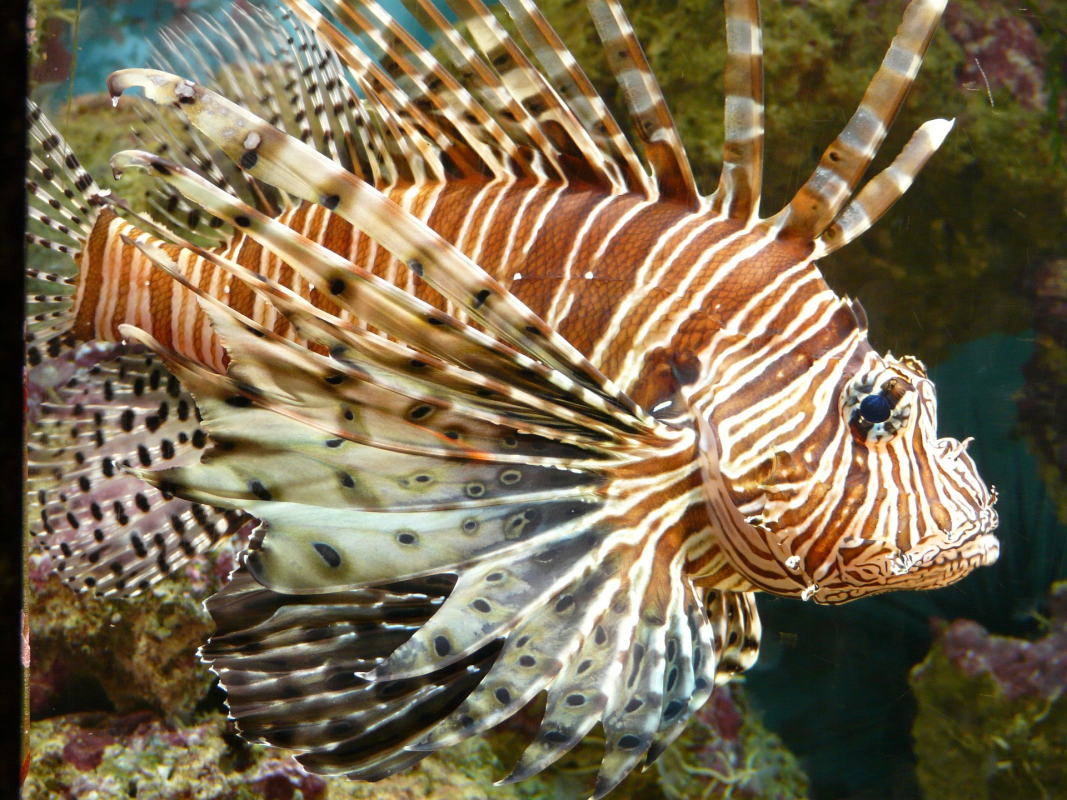
Lionfish are some of the most striking fish in the marine hobby, with flowing fins and bold banding that make them an instant centerpiece. They also raise a common question. Can a fish known for venomous spines and predatory instincts actually live in a reef tank? The short answer is yes. But there are some important conditions attached.
Are Lionfish Safe Around Corals?
Lionfish won’t touch your corals. They’re carnivorous ambush predators that hunt fish and crustaceans, not coral polyps. In that sense, most lionfish are considered reef safe. You’ll find dwarf species commonly kept in reef systems, sitting right alongside soft corals and LPS without causing any damage.
The Real Risk Isn’t the Coral
The actual concern with lionfish isn’t your rockwork or your soft corals. It’s every fish and shrimp small enough to fit in their mouth. Lionfish are patient hunters. Anything bite-sized in your tank is fair game, even at night while you’re not watching.
Choosing the Right Size Species
Not all lionfish are built the same, and species selection matters a lot for a reef setup.
Dwarf Lionfish for Smaller Systems
Dwarf species stay compact and are easier to accommodate in a moderate reef tank. The Fu Manchu Lionfish is a standout dwarf option. It’s known for whisker-like pectoral fin rays and a manageable adult size, currently priced at $159.99. The Fuzzy Dwarf Lionfish offers similar appeal at $139.99, making it a slightly more budget-friendly dwarf option.
Large Species Need Serious Space
Bigger lionfish, like the Volitan Lionfish, grow substantially larger, currently priced at $139.99. They require a long-term commitment of ten to fifteen years or more. These fish need a tank built around their eventual adult size from day one, not just their size at purchase.
Picking Tankmates That Can Handle a Predator
A reef tank built around a lionfish needs tankmates chosen with real care. Anything small enough to be swallowed whole is at risk, including many popular nano fish and ornamental shrimp. Larger, faster-moving fish tend to coexist just fine. They’re simply too big to be a target.
Checking Compatibility Before You Buy
Before adding a lionfish to an existing reef, running your current stock list against the marine fish compatibility chart helps flag any tankmates that might be at risk once the lionfish settles in.
Handling the Venom Safely
Lionfish spines carry a genuine venom, and a sting causes serious pain and swelling. That risk applies to maintenance work as much as to other fish. Careful netting, secure decorations, and caution during any hands-on tank work go a long way toward avoiding an accident. It’s worth keeping a plan in mind for what to do if a sting ever does happen, even if you never need to use it.
Why Quarantine Matters Even More for Predators
Lionfish often arrive from wholesalers still eating only live food, which makes the transition to home aquarium life harder than it needs to be. Every lionfish that goes through Dr. Reef’s quarantine process is trained to accept frozen foods before it ships. That removes one of the biggest early struggles new lionfish owners run into, and it means your fish is ready to eat from the first day it arrives.
Once your fish arrives, following the step-by-step acclimation instructions gives it the smoothest possible start in its new home.
So, Can You Keep One?
Yes, with the right planning. Pick a species sized appropriately for your tank. Choose tankmates too large to be eaten. Take spine safety seriously, and start with a properly quarantined fish trained to eat prepared foods. Get those pieces right, and a lionfish can be one of the most rewarding centerpiece fish in a reef aquarium.
Visit Dr. Reef’s Quarantined Fish to see current lionfish availability and pricing, and find the species that fits your tank. A little planning before you buy makes all the difference once the fish is actually home.