
Why Bamboo Sharks Die in Home Aquariums (And How to Prevent It)

Why Bamboo Sharks Die in Home Aquariums (And How to Prevent It)
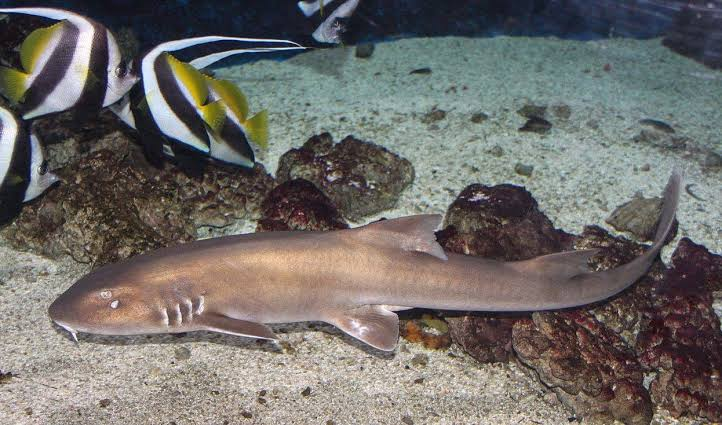
Few animals capture the imagination like having a real shark gliding around your living room. The Bamboo Shark is one of the most accessible ways to make that happen, marketed as docile, hardy, and beginner-friendly. And in many ways, that reputation is earned. But search around enough hobby forums, and you will also find heartbreaking stories of bamboo sharks dying within months, sometimes weeks, of arriving home. The good news is that almost every one of those deaths traces back to a handful of preventable mistakes.
Why Bamboo Sharks Get Called “Beginner Friendly” in the First Place
Bamboo sharks, most commonly the Brownbanded Bamboo Shark (Chiloscyllium plagiosum), earned their reputation honestly. They are calm, slow-moving bottom dwellers that tolerate handling better than almost any other shark species. They eat a wide variety of foods, adapt to captivity better than most elasmobranchs, and can even lay eggs in a home aquarium. Compared to something like a Black Tip Reef Shark, which genuinely requires a public aquarium facility, a bamboo shark is about as approachable as sharks get.
The problem is that “beginner friendly for a shark” still means “advanced” by normal fishkeeping standards. That gap in expectations is where most of the trouble starts.
The Tank Size Mistake That Kills Sharks Slowly
The single biggest reason bamboo sharks die in home aquariums is simple. The tank is too small. A full-grown bamboo shark can reach 36 to 42 inches. It needs a minimum of 360 gallons to actually thrive. Plenty of hobbyists buy a small juvenile shark for what looks like a spacious 90- or 125-gallon tank. They just don’t account for how much that animal will grow.
A cramped tank does not just limit swimming space. It leads to a much more direct danger. Bamboo sharks are clumsy swimmers with no scales, just delicate skin. In a tank with sharp rockwork or hard corners, sharks scrape themselves while moving around. Those small wounds often become infected. That bacterial infection, not old age or bad luck, is one of the most common actual causes of death in home aquarium bamboo sharks.
The Copper Problem Most Owners Don’t Know About
Here is a detail that catches a lot of new shark owners off guard. Copper-based medications, one of the most common treatments for ich and other parasites in the saltwater hobby, are highly toxic to sharks and rays. A shark that gets treated with copper, even at doses safe for bony fish, can suffer organ damage or die outright. Any hobbyist adding a bamboo shark to an established system needs to know the full medication history of that tank, and needs to avoid copper entirely going forward.
Stress, Poor Acclimation, and Water Quality
Bamboo sharks are more sensitive to stress and water quality swings than their docile reputation suggests. Rapid changes in salinity or temperature during acclimation can push them past what they can handle. So can sudden ammonia spikes from their heavy waste output, or filtration that simply isn’t strong enough. Sharks lack the scales that protect most fish from minor water quality issues. That makes them far less forgiving of mistakes than the average reef fish.
A shark that arrives already stressed from a rough shipping experience starts life in your tank at a serious disadvantage. It has less reserve capacity to handle the normal bumps of settling into a new home, which is exactly when many of these deaths occur, in the first few weeks after arrival.
Why Proper Quarantine Changes the Odds
This is where a well-run quarantine process makes a real difference. Fish from Dr. Reef’s Quarantined Fish go through careful observation and conditioning before they ever ship, and sharks are treated with extra caution given how sensitive they are. Specimens are trained to accept a variety of prepared foods and are never treated with copper, which protects them from one of the most common accidental causes of death in the hobby.
A shark that starts healthy, properly fed, and free of the stress that comes from careless handling has a genuinely better shot at adapting well to your tank. It is not a guarantee; sharks are still a serious, advanced commitment, but it removes several of the most preventable risk factors before the animal even reaches your door.
What It Costs
A quarantined Bamboo Cat Shark from Dr. Reef runs $199.99. Given that this is a 20 to 25 year commitment and a genuinely delicate animal, that price reflects a small fraction of the total investment a shark tank requires, but it is a meaningful head start compared to buying an unconditioned specimen from an unknown source.
Setting Your Bamboo Shark Up for Success
Start with the tank, not the shark. A minimum of 360 gallons with a smooth, round or oval shape and no sharp corners is non-negotiable for a full-grown bamboo shark. Use a deep sand bed rather than rock as the primary substrate, and keep any rockwork smooth and secured well away from open swimming paths. Invest in strong filtration and a large protein skimmer, since these sharks produce a heavy bioload. Never use copper-based medications in a tank that houses or will house a shark, and always research the full treatment history of any system before adding one.
Before bringing a bamboo shark home, review the compatibility chart to confirm your other tankmates are large enough to avoid becoming a meal, and follow the acclimation guide closely, since a smooth transition matters even more for a shark than for a typical reef fish. If you have questions about tank readiness or timing, the quarantine protocol page and FAQ page are good places to start.
The Takeaway
Bamboo sharks do not die in home aquariums because they are inherently fragile. They die because the gap between “beginner friendly shark” and “beginner friendly fish” catches people off guard, leading to undersized tanks, copper exposure, and stressed, poorly conditioned animals. Start with the right tank, respect the space and care this species genuinely needs, and choose a properly quarantined specimen like the ones from Dr. Reef’s Quarantined Fish, and a bamboo shark can be a rewarding, long-lived centerpiece instead of a heartbreaking statistic.
For more honest care guides like this one, visit the Dr. Reef blog.