
Rose Bubble Tip Anemone for Sale: Care Guide, Clownfish Pairing, and Growth Tips

Rose Bubble Tip Anemone for Sale: Care Guide, Clownfish Pairing, and Growth Tips
Have you ever looked into a saltwater tank and seen something that looked almost alive in a magical way? Like it was glowing, pulsing, and dancing all at once? That is exactly what a Rose Bubble Tip Anemone does. And once you see one, you will want one in your tank right away.
This guide will walk you through everything you need to know about the Rose Bubble Tip Anemone. We will cover how to care for it, which clownfish love it most, and how to help it grow big and healthy. Plus, we will tell you where to find the healthiest ones for sale, already quarantined and ready for your tank.
What Is a Rose Bubble Tip Anemone?
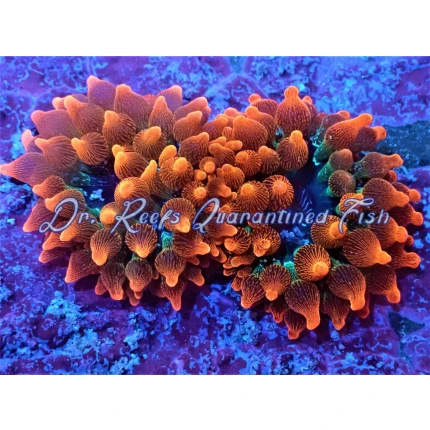
The Rose Bubble Tip Anemone, known by its scientific name Entacmaea quadricolor, is one of the most popular anemones in the saltwater hobby. It gets its name from the bubble-shaped tips on its tentacles and its stunning rose-pink to deep red color.
Unlike some sea anemones that are hard to keep alive, the Rose Bubble Tip Anemone is considered one of the best choices for reef tank hobbyists at all levels. It can live for decades in a well-kept aquarium. Yes, decades. Some hobbyists have had the same anemone for over 20 years.
What makes this creature so special? It has a natural partnership with clownfish. This relationship, called symbiosis, means both animals help each other survive. The clownfish protects the anemone from predators, and the anemone gives the clownfish a safe home. It is one of nature’s most beautiful friendships.
Why Hobbyists Are Buying Rose Bubble Tip Anemones Right Now
The demand for Rose Bubble Tip Anemones has never been higher. Here is why:
More people are starting saltwater tanks. Home reef keeping has grown into one of the fastest-growing hobbies in America. People want beautiful, living art in their homes.
Clownfish became even more popular after animated movies brought them into the spotlight. Now, everyone wants to see a real clownfish living in a real anemone, just like in the wild.
Tank-raised and aquacultured anemones are now easier to find. This means you can get a healthy anemone that was raised in captivity, making it stronger and easier to care for than wild-caught ones.
Rose Bubble Tip Anemone Care Guide
Let us break this down simply. Here is what your Rose Bubble Tip Anemone needs to thrive.
Water Quality
This anemone is sensitive to water conditions. Keep your tank parameters steady. Aim for a salinity of 1.025 to 1.026, a temperature between 76 and 82 degrees Fahrenheit, and a pH of 8.1 to 8.3. Ammonia and nitrite should always be at zero. Nitrates should stay below 10 parts per million.
Lighting
Rose Bubble Tip Anemones love strong light. They host zooxanthellae, which are tiny algae that live inside the anemone and help feed it through photosynthesis. You will want high-quality LED reef lights or T5 lighting for best results. If your anemone keeps moving around the tank, it is probably looking for better light.
Flow
Moderate water flow works best. Too much direct flow can stress the anemone. Too little flow and the water around it becomes stale. Aim for gentle, random flow that mimics ocean conditions.
Feeding
Even though your anemone gets energy from light, it also loves to eat. Feed it small pieces of marine protein two to three times a week. Mysis shrimp, silversides, or small pieces of fresh shrimp work great. Simply place the food near its tentacles and watch it grab it. It is honestly one of the coolest things to watch in a reef tank.
Tank Size
A minimum of 30 gallons is recommended. Rose Bubble Tip Anemones can grow large and need space to spread out comfortably.
Best Clownfish for Rose Bubble Tip Anemones
Here is the exciting part. Not all clownfish pair the same way with every anemone. The Rose Bubble Tip Anemone has some favorite clownfish partners.
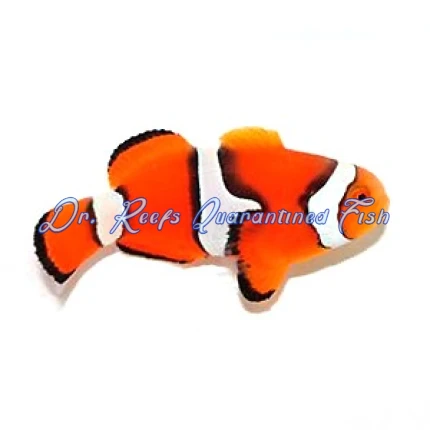
Ocellaris Clownfish (the classic orange and white): This is the most common choice and one of the easiest clownfish to keep. They readily accept Rose Bubble Tip Anemones.
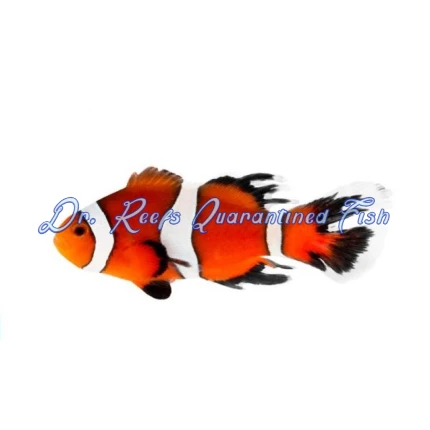
Percula Clownfish: Similar to the Ocellaris, the Percula is a beautiful and compatible choice. Black and white Percula clownfish paired with a rose anemone is a jaw-dropping combination.
Maroon Clownfish: This one is a powerhouse. Maroon Clownfish form extremely strong bonds with Rose Bubble Tip Anemones. They are larger and more aggressive but make a stunning pair.
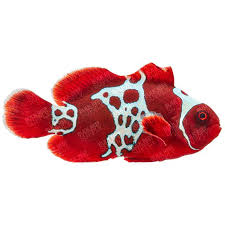
Black Ice Clownfish and Snowflake Clownfish: These designer varieties also pair beautifully with rose anemones and create a visually dramatic display.
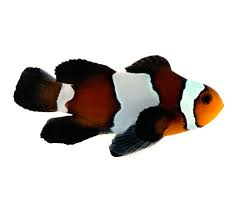
When pairing, it helps to introduce the clownfish to the tank before adding the anemone, or to add them at the same time. Young clownfish tend to accept anemones faster than older ones.
Growth Tips: How to Help Your Rose Bubble Tip Anemone Get Bigger
Growth in anemones takes patience, but there are real things you can do to speed it up.
- Keep your water perfect. This is number one. No shortcuts here. Regular water changes of 10 to 15 percent every week make a huge difference.
- Feed consistently. Anemones that are fed regularly grow faster. Do not rely only on light. Feed several times a week.
- Give it room. If your anemone feels crowded, it will not thrive. Make sure there is open space around it and no aggressive corals nearby.
- Stable lighting schedules matter. Keep your lights on the same schedule every day, around 10 to 12 hours. Anemones respond well to routine.
Once your anemone grows large enough, something amazing can happen. It will split into two. This is called fission, and it is completely natural. You now have two anemones for the price of one. Many hobbyists sell or trade these clones to other reef keepers.
Questions and Answers About Rose Bubble Tip Anemones
Q: How long does it take for a Rose Bubble Tip Anemone to open up after I add it to my tank?
A: Most anemones need one to seven days to fully settle in after being added to a new tank. During this time, they may look deflated, closed, or even a little sad. This is normal. Keep your water stable, give it good light, and be patient. It will open up.
Q: Why does my Rose Bubble Tip Anemone keep moving around the tank?
A: It is searching for better light or better flow. Try adjusting your lighting or repositioning a powerhead. Once it finds a spot it loves, it will anchor down and stay.
Q: Can I keep a Rose Bubble Tip Anemone with corals?
A: Yes, but be careful. Anemones can sting and damage nearby corals. Give your anemone plenty of space and use rock walls or placement strategies to keep them separated. Always monitor their movement.
Q: What is the difference between a wild-caught and aquacultured Rose Bubble Tip Anemone?
A: Aquacultured anemones are raised in tanks and are already adapted to aquarium conditions. They are hardier, healthier, and more likely to survive the move to your tank. Wild-caught anemones can be more stressed and harder to keep. Always choose aquacultured or tank-raised when possible.
Q: Do Rose Bubble Tip Anemones really need a clownfish to survive?
A: No. They do not need clownfish to live. They thrive just fine without them in the right water conditions. But adding a clownfish makes the whole experience so much more rewarding and fun to watch.
Q: How do I know if my Rose Bubble Tip Anemone is healthy?
A: A healthy anemone is fully open, has firm bubble tips, has a sticky feeling when you touch its tentacles (this is normal), and stays anchored in one spot. If it is shrunken, pale, or moving daily, it may be stressed or unwell.
Q: Where can I buy a healthy Rose Bubble Tip Anemone?
A: This is one of the most important questions. The quality of the anemone you buy matters more than almost anything else. Keep reading for the answer.
Where to Buy a Rose Bubble Tip Anemone: Why Dr. Reef’s Quarantined Fish Is the Smart Choice
Here is the truth about buying marine life online. Not all sellers are equal. Many hobbyists have lost fish and anemones because they bought from sources that did not properly care for the animals before shipping them.
That is where Dr. Reef’s Quarantined Fish stands apart from the rest.
Every single fish you buy from Dr. Reef’s Quarantined Fish has been properly quarantined before it reaches your tank.
What does that mean for you? It means less disease. It means fewer losses. It means your money is protected and your tank stays healthy.
Think about it. When you buy a Rose Bubble Tip Anemone from a random seller, you have no idea what that anemone has been exposed to. Parasites, bacteria, stress, poor water conditions. Any of these can wipe out your tank in days.
Dr. Reef’s takes the guesswork out completely. Their team of reef experts quarantines fish and marine invertebrates through a professional process before listing them for sale. By the time your order ships, you are getting an animal that has already proven it is strong, healthy, and ready to thrive in your tank.
On top of that, Dr. Reef’s offers a positive, helpful, and knowledgeable customer experience. Whether you are a brand new hobbyist or a seasoned reef keeper with a 300-gallon display tank, their team treats you with respect and guides you toward the right choice for your setup.
The Rose Bubble Tip Anemones available at Dr. Reef’s Quarantined Fish come from trusted sources and are selected for their vibrant color and overall health. You are not gambling. You are investing in quality.
And their customer care does not stop when your package ships. They stand behind what they sell and want your tank to succeed.
Final Thoughts: Your Rose Bubble Tip Anemone Journey Starts Here
The Rose Bubble Tip Anemone is not just a pretty addition to your tank. It is a living, breathing centerpiece that creates a whole ecosystem inside your aquarium. Watching a pair of clownfish nestle into those glowing rose-colored tentacles is something you never forget.
If you are ready to bring that experience home, start smart. Choose the right seller. Choose healthy animals. Choose Dr. Reef’s Quarantined Fish for a healthy fish. Your tank deserves the best. And so does every creature that lives in it.