
Blastomussa Coral for Sale: Care Requirements, Placement Tips, and Growth Guide

Blastomussa Coral for Sale: Care Requirements, Placement Tips, and Growth Guide
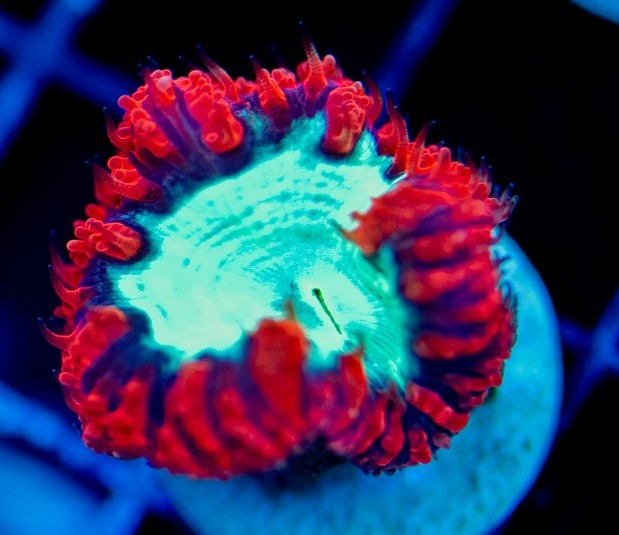
Have you ever seen a coral that looks like it is glowing from the inside? Like tiny lanterns lit up in deep red and electric green, pulsing softly under your reef lights? That is exactly what the Blastomussa Wellsi Red/Green Aussie looks like in a well-kept reef tank. And right now, you can get one for just $29.99 at Dr. Reef’s Quarantined Fish.
If you have been looking for a coral that is beautiful, forgiving, and genuinely rewarding to grow, this is the one. Whether you are new to reef keeping or you have been building coral tanks for years, the Blastomussa Wellsi belongs in your collection. This guide will tell you everything you need to know to keep it thriving and growing beautifully for years to come.
What Is Blastomussa Wellsi?
Blastomussa Wellsi is a large polyp stony coral, commonly called a Blasto or Blastomussa. It belongs to the family Mussidae and originates from the Indo-Pacific and Australian reef systems. The name Aussie in this listing tells you exactly where this particular color form comes from. Australian reefs are famous for producing some of the most vibrant and richly colored Blastomussa specimens in the world.
Each polyp is large, round, and fleshy. When fully extended, the polyps puff up like little balloons filled with color. The Red/Green Aussie variety features deep crimson red centers surrounded by bright green edges, creating a contrast that genuinely looks like it belongs in a science fiction movie. Under blue LED reef lighting, the green absolutely glows.
Blastomussa corals are colonial, which means each frag you buy will grow and divide over time. One polyp becomes two. Two become four. A small frag today can become a stunning multi-polyp colony that covers a full rock in a couple of years. That is part of what makes Blastomussa so exciting and so rewarding for reef hobbyists.
Why Reef Hobbyists Love the Blastomussa Wellsi Red/Green Aussie
There are hundreds of coral species available to reef hobbyists. So why do so many experienced reefers keep coming back to Blastomussa? The answer is simple.
It delivers maximum visual impact with minimum stress on the keeper.
Blastomussa Wellsi is widely considered one of the most beginner-friendly large polyp stony corals in the hobby. It does not demand the intense lighting that Acropora requires. It does not throw sweeper tentacles like torch corals or hammer corals. It does not melt unexpectedly when conditions shift slightly. It is steady, gorgeous, and grows reliably in a well-maintained reef tank.
For experienced reefers, the Blastomussa Wellsi Red/Green Aussie is a collector-grade color form that adds a pop of rich contrast to any mixed reef. The red and green combination is one of the most dramatic color pairings in the coral hobby. Place it next to purple corals or blue zoanthids and the effect is breathtaking.
And at $29.99 from Dr. Reef’s Quarantined Fish, it is one of the best value corals available anywhere online right now.
Blastomussa Wellsi Care Requirements
Here is the good news. Blastomussa Wellsi is not a demanding coral. It wants stable conditions, moderate light, and a little food. Give it those three things and it will reward you with steady growth and stunning color for years.
Water Parameters
Like all stony corals, Blastomussa Wellsi needs stable, clean saltwater. Keep your salinity between 1.025 and 1.026. Temperature should stay between 76 and 80 degrees Fahrenheit. pH should be maintained between 8.1 and 8.3. Ammonia and nitrite must stay at zero at all times. Nitrates should stay below 10 parts per million for best color and growth.
Calcium should sit between 400 and 450 parts per million. Alkalinity between 8 and 10 dKH. Magnesium between 1250 and 1350 parts per million. These three parameters directly affect skeletal growth in stony corals, so keeping them stable is important.
Lighting
Blastomussa Wellsi is a low to moderate light coral. This is one of the reasons it is so popular. You do not need the most powerful lighting system on the market to make this coral happy. It actually prefers dimmer conditions compared to SPS corals like Acropora or Montipora.
A PAR reading of 50 to 150 is ideal for Blastomussa Wellsi. Anything above 200 PAR can cause bleaching over time. Under high-powered LED reef lights, place your Blasto in the lower third of the tank or in a shadowy area where light is naturally reduced. Under T5 lighting, the lower half of the tank works well for most setups.
One of the most wonderful things about Blastomussa under blue LED lighting is how much the green fluorescence pops. The red centers glow deeper and the green edges light up like neon. Run your blue channels and watch this coral transform from beautiful to absolutely stunning.
Water Flow
Blastomussa Wellsi prefers low to moderate water flow. Strong, direct flow causes the polyps to retract and stay closed. A gentle, indirect current that moves water across the coral without blasting it directly is ideal. Random flow patterns work best because they mimic natural reef conditions where currents shift constantly.
If your polyps are consistently closed or retracted during the day, strong flow is usually the first thing to check and correct.
Feeding
Here is something that separates hobbyists who get good Blastomussa growth from those who get great Blastomussa growth. They feed their corals.
Blastomussa Wellsi has large polyps with well-developed mouths. It is very capable of capturing and eating meaty foods. Feeding two to three times per week accelerates growth significantly and enhances color. Small pieces of mysis shrimp, Reef Roids, or other coral foods placed directly near the polyps work extremely well.
When you feed, reduce flow temporarily so the food settles near the polyp mouths. You will often see the polyps respond by extending further and opening wider during feeding. Watching a Blastomussa eat is one of the most satisfying things in the reef hobby.
Placement Tips for Blastomussa Wellsi
Where you place your Blastomussa in the tank makes a significant difference in how well it does and how good it looks. Here are the key placement principles to follow.
Bottom or Middle of the Tank
Always start your Blastomussa in the lower portion of the tank. The bottom third is ideal in most setups. This puts it away from intense light and strong flow near the surface. You can always move it higher later if it seems to want more light, but starting low protects it while it adjusts.
Give It Room to Grow
Blastomussa colonies expand outward over time. When placing your frag, imagine it three times its current size and make sure there is open space around it in all directions. Blastomussa does not have aggressive sweeper tentacles like some other LPS corals, but it still needs space to expand comfortably without being crowded by neighboring corals.
Avoid Placing Near Aggressive Corals
While Blastomussa itself is relatively peaceful, placing it near hammer corals, torch corals, or favia corals can be risky. Those species have sweeper tentacles that can sting and damage Blastomussa polyps. Give it neighbors that share its peaceful temperament and your Blasto will stay healthy and continue growing.
Shaded or Indirect Light Areas
One of the best placements for a Blastomussa is in the shadow of an overhanging rock. Natural shadows in a reef tank create exactly the low-light, low-flow microenvironment that Blastomussa loves. This also tends to look the most natural, as if the coral is growing in a sheltered crevice just like it would on an actual reef.
Blastomussa Growth Guide: How to Help Your Colony Expand
Growing a Blastomussa colony from a small frag to a large, impressive piece is one of the most rewarding experiences in reef keeping. Here is how to give it the best possible chance to grow fast and stay healthy.
Keep Parameters Rock Solid
Consistency is the single most important factor in coral growth. Swings in salinity, temperature, or alkalinity stress corals and slow growth dramatically. Invest in a reliable dosing system or keep up with consistent two-part dosing to maintain stable calcium and alkalinity. Test your water at least once a week.
Feed Regularly
As mentioned earlier, regular feeding is a game changer for Blastomussa growth. Corals that are fed several times a week grow noticeably faster than corals that rely solely on light and dissolved nutrients. Mysis shrimp, coral pellets, and amino acid supplements all contribute to faster, healthier growth.
Watch for Budding
When a Blastomussa polyp is ready to divide, it begins budding. You will notice a small new polyp starting to form alongside an existing one. This is exciting to watch and means your coral is thriving. As the new polyp develops, the colony grows and becomes more impressive over time. A healthy Blastomussa Wellsi can add several new polyps per year in optimal conditions.
Do Not Move It Constantly
Corals do not like being moved. Every time you relocate a coral, it goes through a stress period where it retracts, loses color temporarily, and redirects energy toward adjusting to new conditions. Once your Blastomussa finds a spot it likes, leave it there. Consistent placement equals consistent growth.
Patience Is Part of the Process
Blastomussa grows steadily but not explosively fast. This is actually a good thing, because slow growers tend to develop denser, more durable skeletons. Give your colony six months to a year and you will be amazed at the difference. Hobbyists who stick with their Blastomussa colonies often end up with showpiece corals they would never trade away.
Questions and Answers About Blastomussa Coral
Q: Is the Blastomussa Wellsi good for beginners?
A: Yes, absolutely. It is one of the most recommended first LPS corals for new reef hobbyists. It tolerates slightly imperfect water conditions better than most stony corals, prefers lower light that is easier to provide, and does not require the same level of precision that SPS corals demand. If you are new to coral keeping and want something beautiful and achievable, Blastomussa Wellsi is your best starting point.
Q: Why are my Blastomussa polyps staying closed?
A: The two most common reasons are too much flow and too much light. Try moving the coral to a calmer, slightly shadier area of the tank. Poor water quality can also cause polyps to stay retracted. Test your water and check that ammonia, nitrite, and nitrate are all within acceptable ranges. Give the coral a few days after any move to settle and open back up.
Q: How often should I feed my Blastomussa?
A: Two to three times per week is ideal for good growth and color. Use small meaty foods like mysis shrimp or Reef Roids. Spot feed directly to the polyps and reduce flow temporarily during feeding so the food does not get blown away before the coral can capture it.
Q: Can Blastomussa Wellsi be kept with clownfish?
A: Clownfish may occasionally host in Blastomussa corals, especially if there is no anemone available in the tank. Some hobbyists find this charming. Others notice the constant contact can irritate the coral and cause polyps to stay retracted more often. It is a personal decision based on your specific tank setup and the temperament of your clownfish.
Q: What is the difference between Blastomussa Wellsi and Blastomussa Merletti?
A: Both are Blastomussa species, but Wellsi has larger, rounder polyps while Merletti has smaller, tighter polyps. Wellsi tends to be the more popular choice for reef tanks because of its dramatic fleshy appearance and its larger polyp mouths that make feeding easier. The Red/Green Aussie available at Dr. Reef’s is a Wellsi variety, which is the most sought-after form.
Q: How do I acclimate a new Blastomussa frag to my tank?
A: When your frag arrives from Dr. Reef’s, place it at the bottom of your tank in a low-flow, low-light area to start. Give it one to two weeks to fully open and acclimate before feeding or moving it. Do not add it to an area with strong light or strong flow right away, even if that is ultimately where you plan to keep it. Gradual adjustment produces the best results.
Q: Does the Red/Green Aussie keep its color under different lighting?
A: Under blue-dominant LED lighting, the green fluorescence really pops and the red deepens beautifully. Under whiter lighting, the colors are still vivid but the fluorescent effect is reduced. Most reef hobbyists run a blue-heavy spectrum during the day specifically to bring out the best colors in their LPS corals, and Blastomussa Wellsi responds incredibly well to this approach.
Q: Is the $29.99 Blastomussa Wellsi at Dr. Reef’s a frag or a colony?
A: It is sold as a quarantined coral frag, which is the standard way coral frags are sold in the hobby. A frag is a small piece cut from a larger colony. It is already attached to a frag plug and ready to place directly in your tank. Over time, with proper care, that single frag will grow into its own impressive colony.
Why Buy Your Blastomussa Wellsi from Dr. Reef’s Quarantined Fish?
At $29.99, the Blastomussa Wellsi Red/Green Aussie from Dr. Reef’s Quarantined Fish is already an outstanding deal for a collector-quality Australian color form. But the price is honestly not even the most important reason to buy from Dr. Reef’s.
The most important reason is what happens to that coral before it ships to you.
Every coral at Dr. Reef’s goes through a quarantine and inspection process before it leaves their facility. This means you are not gambling on a coral that may have been poorly handled, stressed during shipping between wholesalers, or exposed to pests and pathogens. You are getting a coral that a team of experienced reef keepers has already verified is healthy, open, and ready to thrive.
This matters enormously with corals. Corals that arrive stressed take weeks or months to recover, if they recover at all. Corals that arrive in poor health can introduce pests like Aiptasia, flatworms, or nudibranchs into your tank, which then spread and damage everything you have worked hard to build.
Dr. Reef’s eliminates that risk at the source. Every single piece of livestock that ships has been cared for by people who genuinely love reef keeping. They are not a drop-shipping operation. They are reef hobbyists who built a business around the idea that healthy livestock is the foundation of every successful reef tank.
Their customer care is just as impressive as their livestock quality. New hobbyists and experienced reefers alike are treated with warmth, patience, and genuine expertise. If you have a question about placement, lighting, feeding, or compatibility, Dr. Reef’s team gives you real answers based on real experience.
Free shipping kicks in on orders over $500. Shipping goes out Tuesday through Thursday via overnight UPS. Deliveries arrive Wednesday through Friday. Every order is backed by a three-day live arrival guarantee.
If you are adding corals to your reef tank and you want pieces that actually arrive healthy and start growing quickly, Dr. Reef’s Quarantined Fish is simply the right choice.
Final Thoughts: A $29.99 Coral That Grows Into Something Priceless
The Blastomussa Wellsi Red/Green Aussie is one of those corals that starts small and becomes a centerpiece. The deep crimson and vivid green color combination is dramatic, natural, and absolutely stunning under reef lighting. It is forgiving enough for beginners to succeed with and impressive enough for experienced reefers to be proud of.
At $29.99, it is an easy decision. But choosing to buy it from Dr. Reef’s Quarantined Fish is what makes the difference between a coral that struggles and one that thrives from day one.
Head to drreefsquarantinedfish.com right now, grab your Blastomussa Wellsi Red/Green Aussie, and start watching something beautiful grow in your reef.