
Majestic Angelfish (Captive Bred)
$199.99
Pomacanthus navarchus
| Care Level | Moderate to High |
| Temperament | Semi-aggressive |
| Color Form | deep blue to purple coloration with brilliant yellow-orange markings |
| Diet | Omnivore |
| Reef Compatible | Not reef-safe |
| Water Conditions | 72–78°F (22–26°C), Sg 1.023–1.025, pH: 8.1–8.4, dKH: 8–12 |
| Max Size | 12″ |
| Family | Pomacanthidae |
| Minimum Tank Size | 180 gallons |
3-Day Guarantee
Approximate Purchase Size: Tiny to small
Majestic Angelfish (Captive Bred)
Also known as the Blue Girdled Angelfish or Euxiphipops navarchus
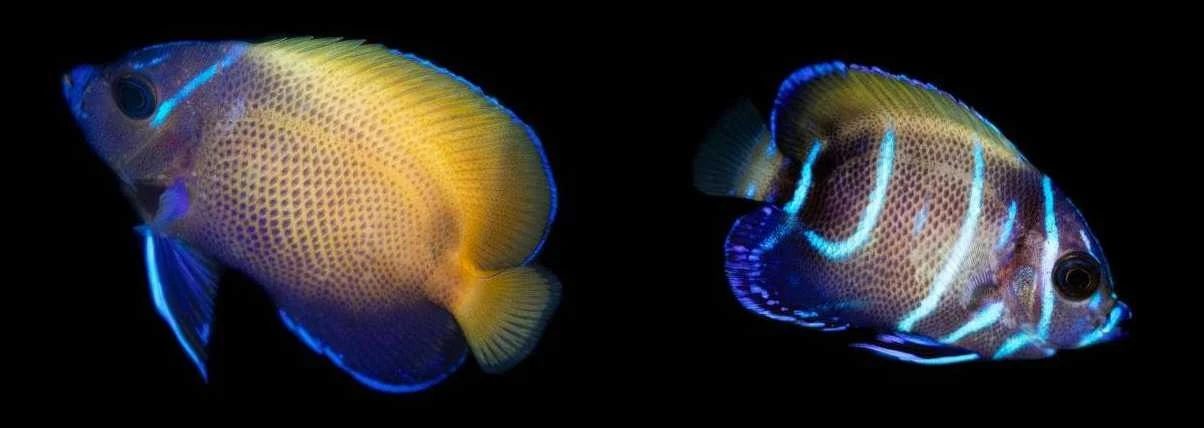
The captive-bred Majestic Angelfish represents a breakthrough achievement in marine aquaculture, offering the same spectacular beauty as wild specimens, dramatic deep blue to purple coloration with brilliant yellow-orange markings, but with vastly superior hardiness and adaptability. Raised in controlled aquarium environments from larvae, these aquacultured specimens eliminate the notorious acclimation challenges associated with wild-caught Majestics, making this prestigious species accessible to more aquarists while supporting sustainable fishkeeping.
Key Features
- Scientific Name: Pomacanthus navarchus (formerly Euxiphipops navarchus)
- Common Names: Majestic Angelfish, Blue Girdled Angelfish, Navarchus Angelfish
- Adult Size: Up to 10–12 inches
- Lifespan: 18–25+ years with proper care (often longer than wild-caught)
- Temperament: Semi-aggressive; generally bolder and less shy than wild specimens
- Reef Compatibility: Not reef-safe – will nip at corals, clams, and sessile invertebrates
- Minimum Tank Size: 180 gallons (minimum); 220+ gallons preferred
- Experience Level: Intermediate to advanced (significantly easier than wild-caught specimens)
Habitat & Tank Requirements
- Tank Environment: Provide extensive rockwork with caves, overhangs, and hiding spots, though captive-bred specimens are typically bolder and less reclusive than wild-caught individuals. Include both sheltered areas and open swimming space.
- Water Parameters:
- Temperature: 72–78°F (22–26°C)
- Salinity: 1.023–1.025
- pH: 8.1–8.4
- Ammonia/Nitrite: 0 ppm
- Nitrate: <20 ppm
- dKH: 8–12
- Aquascape: Dense live rock formations are beneficial for grazing and territory establishment. Captive-bred specimens adapt more quickly and are less dependent on extensive hiding spots than wild counterparts.
- Compatibility: Best kept as the only large angelfish in the system. Can coexist with semi-aggressive tank mates such as tangs, large wrasses, triggers (cautiously), and groupers. Captive-bred specimens often display better temperament and less stress-related aggression. Avoid housing with other angels or excessively aggressive species.
Diet & Feeding
Captive-bred Majestic Angelfish are trained on prepared foods from an early age, making feeding significantly easier:
- Meaty Foods: Mysis shrimp, vitamin-enriched brine shrimp, chopped clams, mussels, squid, scallops, krill, prawns, marine fish flesh
- Plant Matter: Marine algae, nori sheets, spirulina flakes and pellets, fresh blanched vegetables
- Specialty Items: High-quality angelfish preparations containing sponge material (essential for maintaining health and vibrant coloration)
- Commercial Foods: Premium angelfish pellets, frozen angel and butterfly formulas
- Prepared Food Acceptance: Captive-bred specimens readily accept frozen and dry prepared foods immediately, eliminating the feeding challenges common with wild-caught Majestics
- Feeding Schedule: Feed 2–3 times daily in moderate portions. Captive-bred fish are typically enthusiastic, eager eaters from day one.
Notes & Considerations
- Behavior: Captive-bred Majestic Angels are notably bolder, more confident, and less reclusive than wild-caught specimens. They adapt quickly to aquarium life, typically swimming openly within hours of introduction rather than hiding for days or weeks. Once established, they display normal territorial behavior but are generally more even-tempered than wild counterparts.
- Captive-Bred Advantages:
- Revolutionary Hardiness: Eliminates the notorious delicacy and acclimation challenges of wild Majestics—this is the single biggest advantage
- Immediate Feeding Response: Pre-trained on all types of prepared foods; eat eagerly from introduction
- Superior Disease Resistance: Raised in parasite-free environments with strong immune systems; far less susceptible to ich and velvet
- Stress Tolerance: Dramatically more resilient to shipping, acclimation, and environmental changes
- Better Temperament: Generally less shy and more interactive; adapt to new environments without extended hiding periods
- Consistent Quality: Raised with optimal nutrition, resulting in excellent coloration and robust health
- Sustainability: Supports environmentally responsible aquaculture; reduces pressure on wild populations of this coveted species
- Longevity: Often outlive wild specimens due to optimal rearing conditions and absence of collection trauma
- Success Rate: Near 100% survival rate vs. the notoriously high mortality of wild-caught Majestics
- Acclimation: Remarkably easy compared to wild specimens. Standard acclimation is sufficient. Captive-bred Majestics typically begin exploring and feeding within hours rather than requiring days or weeks of adjustment. This represents a complete reversal of this species’ traditional reputation.
- Coral Compatibility: Like wild specimens, captive-bred Majestics are not reef-safe and will nip at soft corals, LPS, SPS, zoanthids, and clam mantles. Suitable only for fish-only or FOWLR systems.
- Coloration: Captive-bred specimens display exceptional color intensity and vibrancy due to optimal rearing conditions, superior genetics selection, and premium nutrition. Colors are often more vivid and consistent than wild-caught individuals.
- Feeding Success: Completely eliminates the finicky feeding behavior wild Majestics are notorious for. Captive-bred specimens eagerly accept all foods from introduction, a game-changing advantage for this species.
- Gender: Sexual dimorphism is not readily apparent. Majestic Angels are protogynous hermaphrodites. Successful captive breeding has been achieved by specialized marine fish breeders, though availability remains limited due to the complexity of rearing.
- Water Quality: While less demanding than wild specimens, still appreciate excellent water quality and stable parameters for optimal health and coloration.
- Disease Resistance: Dramatically more resistant to common marine diseases compared to wild-caught Majestics. The notorious susceptibility to stress-related ich and velvet is virtually eliminated in captive-bred specimens. Quarantine is still recommended as best practice.
- Tank Maturity: Unlike wild specimens that require mature systems, captive-bred Majestics can be successfully added to younger tanks (3+ months) due to their superior adaptability.
- Availability & Pricing: Captive-bred Majestics command premium pricing due to limited availability and the complexity of breeding this species. However, the dramatically improved survival rate and ease of care often make them more cost-effective long-term than repeatedly attempting wild specimens.
- Historical Significance: The successful captive breeding of Majestic Angelfish represents one of the major achievements in marine ornamental aquaculture, transforming one of the hobby’s most challenging species into a viable option for more aquarists.
Why Choose a Captive-Bred & Quarantined Majestic Angelfish?
Our captive-bred Majestic Angelfish represent the ultimate combination of spectacular beauty and aquarium-ready resilience. Raised from larvae in controlled environments, then quarantined and further conditioned in our systems, these specimens offer unparalleled advantages over wild-caught Majestics: immediate feeding on all prepared foods, superior disease resistance, confident behavior from day one, and exceptional coloration. By choosing captive-bred, you’re not only supporting sustainable aquaculture but gaining a fish that eliminates this species’ legendary acclimation challenges, transforming the Majestic Angelfish from one of the hobby’s most difficult species into a reliable, long-lived showpiece that will thrive for decades. This is truly the only way most aquarists should consider keeping this magnificent species.
| Service Level | Quarantined |
|---|
You must be logged in to post a review.


Reviews
There are no reviews yet.