
10 Saltwater Fish Beginners Regret Buying

10 Saltwater Fish Beginners Regret Buying
Every saltwater hobbyist remembers the fish store trip where something absolutely stunning caught their eye, and they walked out with it before doing much research. Sometimes that gamble pays off. Often, it does not. Here are ten fish that show up again and again in “I wish I had known” posts across the hobby, along with what actually makes each one tricky, so you can make a more informed choice the next time something beautiful catches your eye.
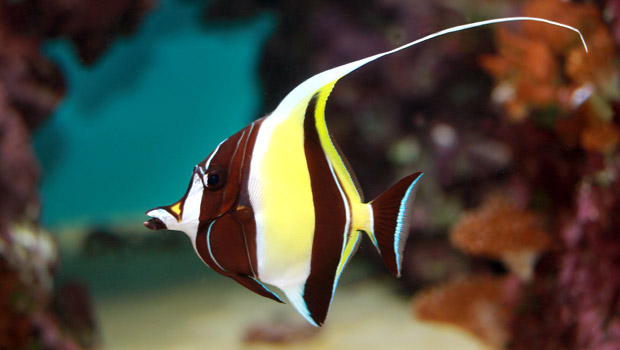
1. Moorish Idol
The Moorish Idol is gorgeous, but it has one of the poorest survival rates of any commonly sold marine fish. Its diet in the wild leans heavily on sponges and other specialized foods that are genuinely hard to replicate at home, and a stressed Moorish Idol often stops eating for good. This is a fish for large, mature systems and experienced keepers only, not an impulse buy.
2. Clown Triggerfish
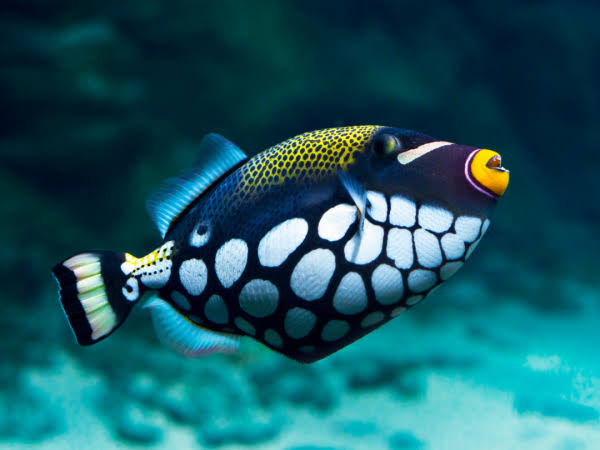
Few fish look as striking as the Clown Triggerfish, and few fish cause as much regret. It is not reef safe under any circumstances, needs a minimum of 300 gallons, and will destroy corals and attack tankmates as a matter of course rather than an exception. Beginners drawn in by the looks alone often find themselves rehoming this fish within months.
3. Achilles Tang
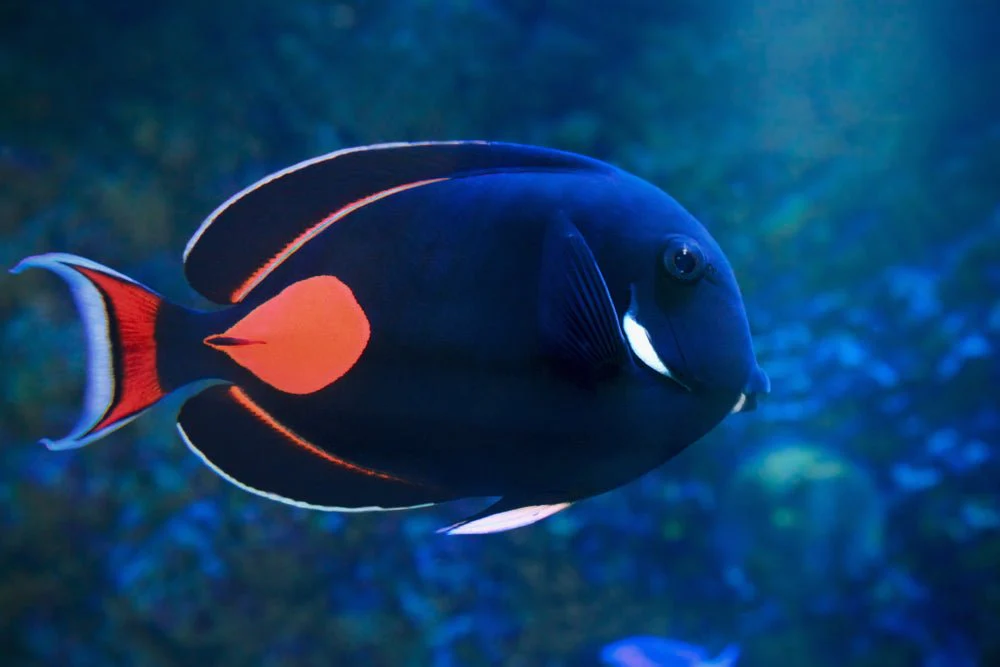
The Achilles Tang is often called one of the most beautiful surgeonfish in the hobby, but it is also rated advanced for a reason. It demands pristine, stable water quality, strong flow, and a minimum of 125 gallons. It is also notably more disease prone than most other tangs. A beginner tank with imperfect water parameters is exactly the environment this fish struggles in most.
4. Bamboo Shark
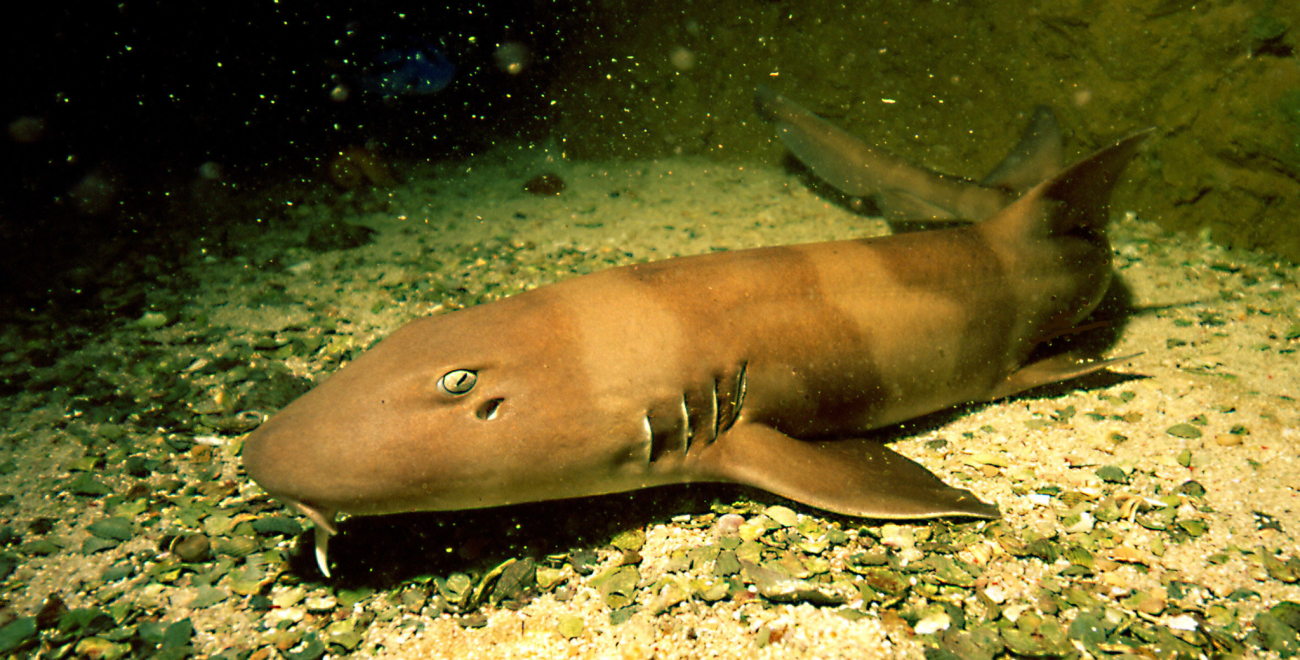
Marketed as one of the more approachable sharks in the hobby, the Bamboo Shark still needs a minimum of 360 gallons at full size and is highly sensitive to copper medications and cramped, sharp-edged tanks. Many beginners underestimate just how much space and specialized care a “beginner-friendly shark” actually requires.
5. Mandarin Dragonet
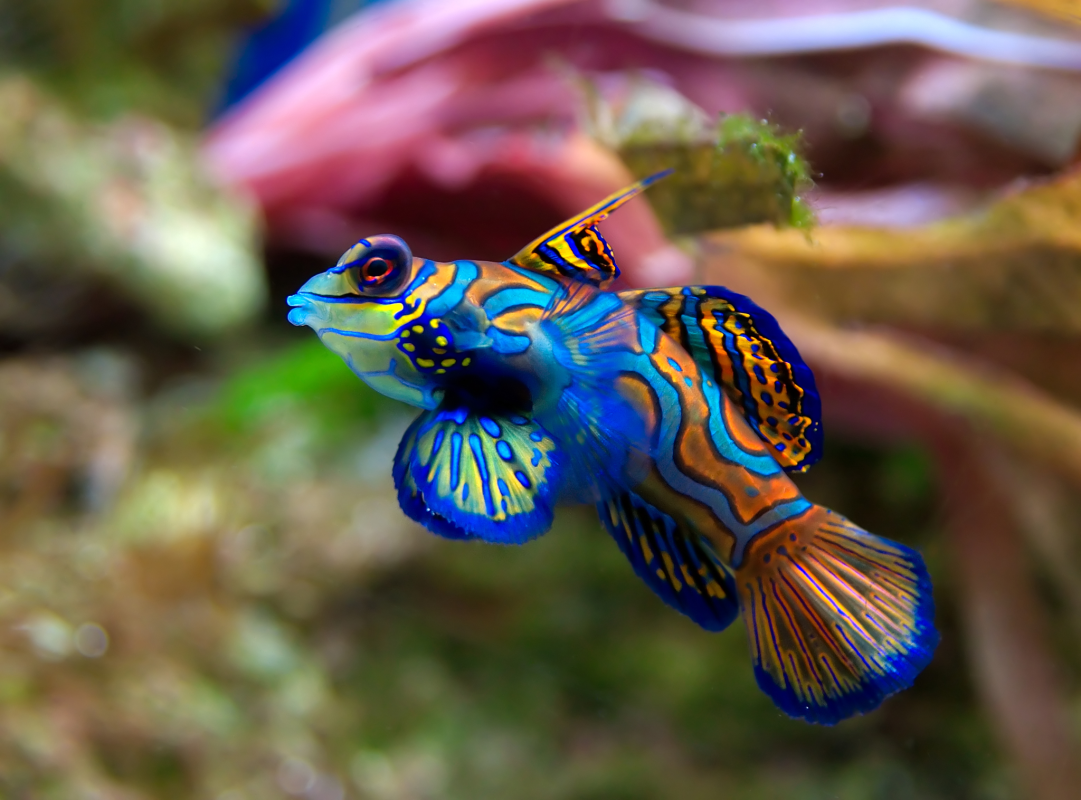
The Mandarin Dragonet is one of the most photographed fish in the hobby, and also one of the most commonly starved. This species needs a steady, established supply of live copepods to thrive. A newer tank simply does not have that yet. Even captive-bred individuals, which adapt to prepared foods far more easily, still do best in a tank that has been running for many months.
6. Copperband Butterflyfish
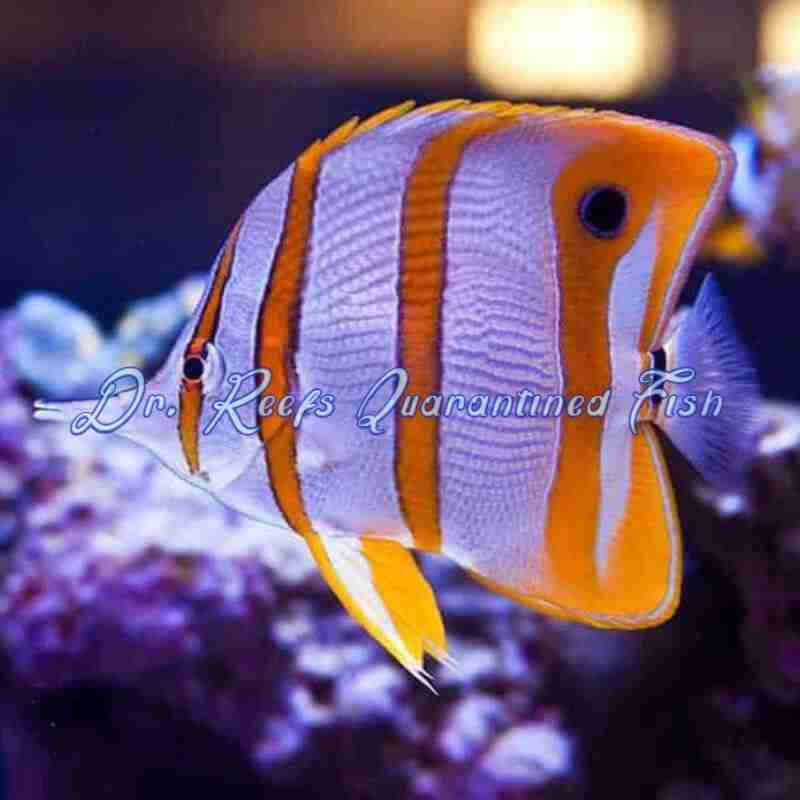
The Copperband Butterflyfish is prized for eating nuisance Aiptasia anemones, but it has a well-earned reputation for being difficult to get eating in the first place. It needs a mature, established tank with abundant natural food sources, and a specimen that has not been conditioned to prepared foods before arrival can slowly starve despite an owner’s best efforts.
7. Regal Blue Tang (the “Dory” Fish)
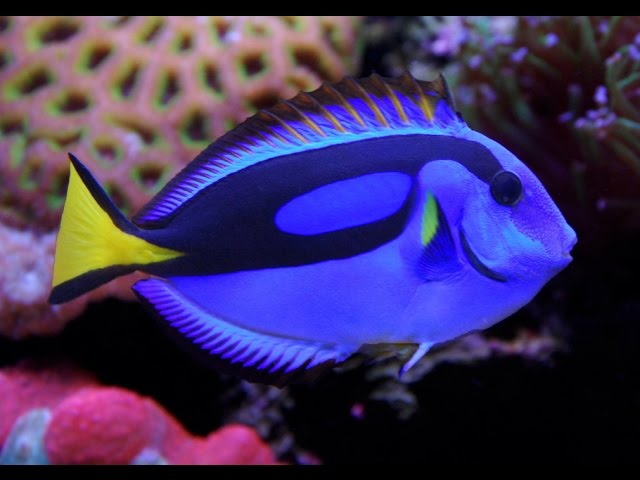
Thanks to a certain animated movie, the Blue Hippo Tang, also known as the Regal Tang or Pacific Blue Tang, is one of the most requested fish by beginners. It needs a genuine 180 gallons to thrive, is prone to ich, and can become territorial in a tank that is too small. The gap between the friendly movie character and the actual care requirements catches a lot of new owners off guard.
8. Powder Blue Tang
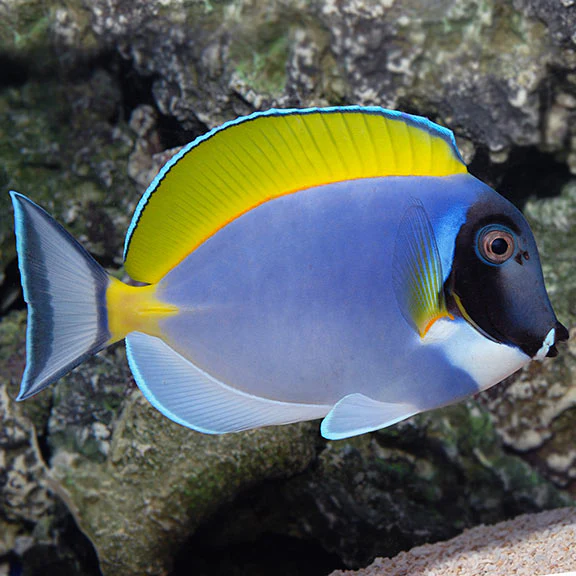
The Powder Blue Tang is stunning and reef-compatible, but it is also one of the more disease-prone tangs in the hobby, especially when it comes to ich. It needs a minimum of 125 gallons and a tank with excellent, stable water quality from day one. This is a fish that punishes an unstable or newly cycled system more than most.
9. Volitan Lionfish
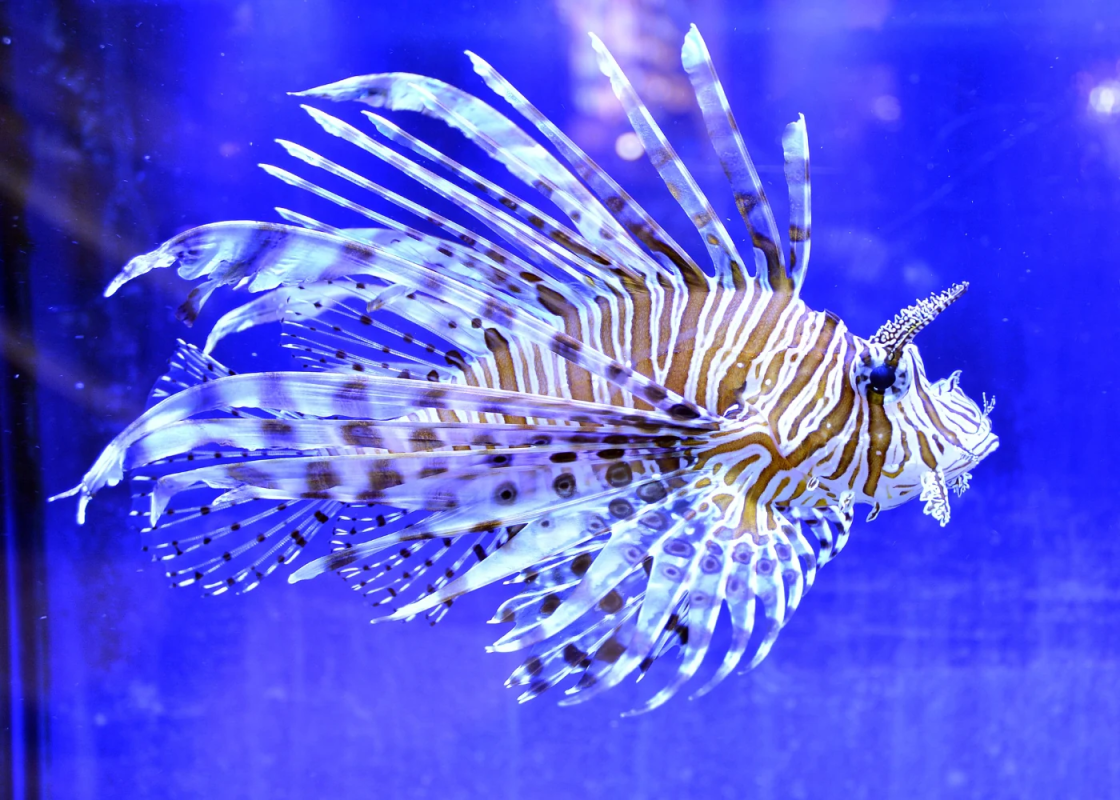
The Volitan Lionfish is a dramatic, venomous predator that needs a minimum of 120 gallons and a diet transition away from live feeder fish, which offer poor nutrition and can introduce disease. Beginners sometimes underestimate both the space this fish needs and the ongoing feeding effort required to keep it healthy long term. Dr. Reef has a full Volitan Lionfish care guide if this species interests you.
10. Snowflake Eel
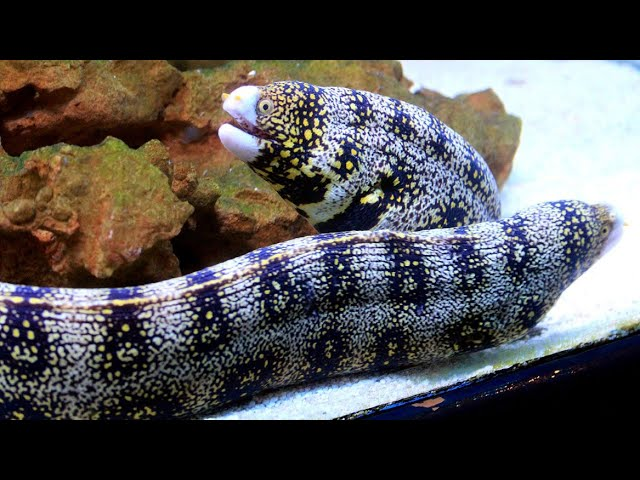
The Snowflake Eel is often sold as a hardy, easy option, and in many ways it is, but new owners frequently underestimate two things: how large it eventually gets, and how good it is at escaping through even small gaps in a tank lid. Dr. Reef’s blog has a detailed breakdown of just how big Snowflake Eels really get, which is worth reading before bringing one home.
The Common Thread Behind Every Regret on This List
Looking at these ten fish together, a clear pattern emerges. It is rarely the fish’s fault. It is almost always a mismatch between what the fish actually needs and what the tank, timeline, or hobbyist was ready to provide. Undersized tanks, immature systems without enough natural food, and fish that arrived already stressed from a rough collection and shipping process show up again and again as the real root cause.
Why Starting With a Properly Quarantined Fish Changes the Odds
This is exactly where sourcing makes a genuine difference. Every fish from Dr. Reef’s Quarantined Fish goes through a real quarantine protocol before it ships. Fish are observed for parasites, conditioned to accept prepared foods, and confirmed healthy before they ever reach your door. A fish that starts life in your tank already strong and eating well has a meaningfully better shot at becoming a long-term success story instead of a hard lesson learned. You can browse the full range of quarantined saltwater fish available to see what fits your current setup.
How to Avoid Being Beginner Number Eleven
Before buying any fish on this list, or any demanding species at all, research its adult size and minimum tank requirement, not just the size it is sold at. Ask how established your tank needs to be before that species can realistically thrive. Check whether its diet is something you can reliably provide long term. And whenever possible, choose a properly quarantined, already-eating specimen over an unconditioned one, since that single decision prevents more losses than almost anything else a beginner can control.
Review the compatibility chart and acclimation guide before your next purchase, and don’t hesitate to check the FAQ page if you are unsure whether a fish is a good fit for your current tank.
The Takeaway
None of the fish on this list are bad fish. They are simply demanding fish that get bought by hobbyists who are not quite ready for them yet, often because a store display tank never tells the whole story. Do the research, match the fish to your actual setup, and start with a properly quarantined specimen from Dr. Reef’s Quarantined Fish, and any one of these species could become a rewarding long-term addition instead of a regret.
For more honest buying guides like this one, visit the Dr. Reef blog.