
Volitan Lionfish for Sale: Care Guide, Feeding Schedule, and Aquarium Requirements

Volitan Lionfish for Sale: Care Guide, Feeding Schedule, and Aquarium Requirements
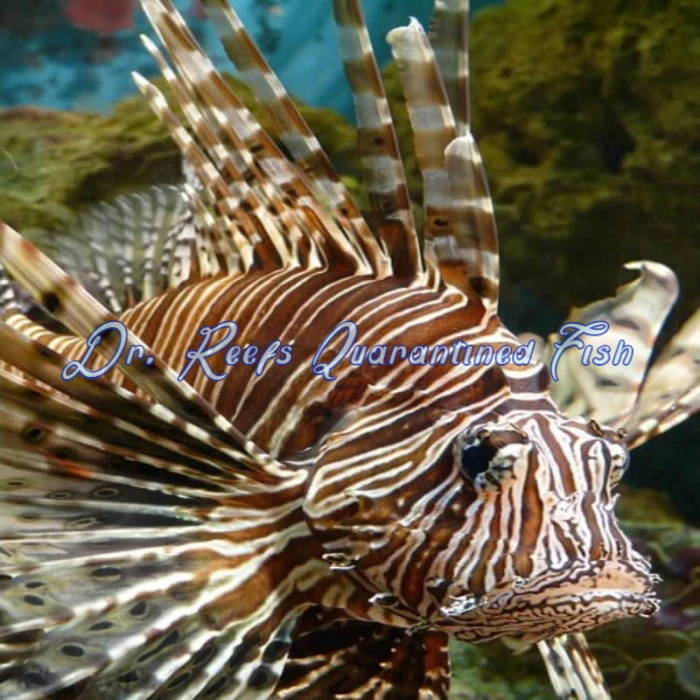
Are you thinking about adding a Volitan Lionfish to your saltwater aquarium? You are making an amazing choice. The Volitan Lionfish is one of the most stunning and dramatic fish you can own. With its bold striped body and fan-like fins, it looks like something straight out of a fantasy movie.
At Dr. Reef’s Quarantined Fish, every Volitan Lionfish we sell goes through a full quarantine process before it ever reaches your tank. That means fewer health problems, less stress for you, and a better start for your fish. If you want a lionfish you can trust, you are in the right place.
What Is a Volitan Lionfish?
The Volitan Lionfish (scientific name: Pterois volitans) is a large and eye-catching saltwater fish. It comes from the Indo-Pacific Ocean and is known for its feathery pectoral fins and bold red, white, and brown stripes.
It is a predatory fish, which means it eats other smaller fish and crustaceans in the wild. But do not let that scare you. With the right tank setup and feeding routine, the Volitan Lionfish is actually one of the easier large predator fish to care for.
Quick Facts:
- Common Name: Volitan Lionfish, Red Lionfish
- Scientific Name: Pterois volitans
- Adult Size: Up to 15 inches
- Lifespan: 10 to 15 years in captivity
- Temperament: Semi-aggressive
- Diet: Carnivore (eats meaty foods)
- Tank Size: 120 gallons minimum
- Water Temperature: 72 to 78 degrees Fahrenheit
- Salinity: 1.020 to 1.025 specific gravity
Why Buy From Dr. Reef’s Quarantined Fish?
This is probably the most important question to ask before you buy any saltwater fish.
Many fish sold at local pet stores or online come straight from the ocean. They have not been checked for disease. They have not adjusted to tank life. They arrive stressed, weak, and sometimes already sick. That is a recipe for heartbreak and wasted money.
Dr. Reef’s Quarantined Fish does things differently.
Every single fish including every Volitan Lionfish goes through a full quarantine period before shipping. That means:
- Each fish is checked for parasites, infections, and disease
- Fish are treated proactively so hidden problems are caught early
- Fish are trained to eat before they leave, so they are not starving on arrival
- You receive a fish that is strong, healthy, and ready to eat
This is not just a nice bonus. That is the whole point. A quarantined fish from Dr. Reef gives your tank the best possible start. You skip the scary part of keeping a new fish alive in those first dangerous weeks.
Dr. Reef has built a reputation in the saltwater hobby community for doing things right. Hobbyists trust the process because it works. When your Volitan Lionfish arrives from Dr. Reef, it is ready to thrive, not just survive.
Aquarium Requirements for Volitan Lionfish
Before you buy your lionfish, your tank needs to be ready. Here is everything you need to know.
Tank Size
A Volitan Lionfish can grow up to 15 inches long. It needs room to swim and turn around comfortably. The minimum tank size is 120 gallons. A larger tank of 150 to 200 gallons is even better if you plan to keep other tank mates.
Do not try to keep a Volitan Lionfish in a small tank. It will get stressed, stop eating, and become more likely to get sick.
Water Parameters
Keeping stable water is the key to a healthy lionfish. Here are the numbers you want to hit:
- Temperature: 72 to 78 degrees Fahrenheit (use a reliable heater and thermometer)
- Salinity: 1.020 to 1.025 specific gravity
- pH: 8.1 to 8.4
- Ammonia: 0 ppm
- Nitrite: 0 ppm
- Nitrate: Under 30 ppm
- dKH (Alkalinity): 8 to 12
Test your water regularly. Even small changes can stress your lionfish and open the door to sickness.
Filtration
Volitan Lionfish are messy eaters. They produce a lot of waste. You need strong filtration to handle the extra load.
A good setup includes:
- A quality sump or canister filter rated for more than your tank size
- A protein skimmer to pull out dissolved waste
- Live rock for natural biological filtration
- Regular water changes of 10 to 20 percent every one to two weeks
Lighting
Lionfish do not need intense reef lighting. They actually prefer lower to moderate light levels. Avoid super bright lights unless you have corals that need it. If you do run bright lights, give your lionfish a shaded area or cave to rest in.
Decor and Hiding Spots
Volitan Lionfish love to have places to hide and rest. Use live rock to create caves, ledges, and overhangs. This makes the fish feel secure and reduces stress.
Avoid sharp or rough decorations that could scratch the fish. Smooth rock work is best.
Tank Mates for Volitan Lionfish
Here is the truth about tank mates: anything small enough to fit in the lionfish’s mouth will probably become a meal. That includes small fish and small shrimp.
Good tank mates:
- Large Triggers (like Niger or Undulated Triggers)
- Large Puffers (like Porcupine Puffer)
- Large Eels (like Snowflake Moray)
- Large Groupers
- Other Lionfish of similar size (with caution)
Bad tank mates:
- Small fish under 3 to 4 inches (they will be eaten)
- Small shrimp or crabs (will be eaten)
- Peaceful nano fish
- Corals and invertebrates (lionfish are not reef safe)
Keep your lionfish with fish that are big enough to hold their own and not aggressive enough to bully the lionfish.
Feeding Your Volitan Lionfish
Feeding is where most new lionfish owners run into problems. In the wild, lionfish eat live prey. In captivity, they need to be trained to eat frozen or prepared foods. This is why buying a pre-trained fish from Dr. Reef’s Quarantined Fish saves you so much trouble.
Dr. Reef’s fish are fed and trained before shipping. You skip the frustrating process of convincing a wild-caught fish to accept frozen food.
What to Feed
The best diet for a Volitan Lionfish in captivity includes:
- Frozen silversides (a top choice)
- Frozen krill
- Frozen squid
- Frozen shrimp (marine shrimp, not freshwater)
- Frozen mysis shrimp (for smaller or younger lionfish)
Avoid feeder goldfish and feeder guppies. They are fatty, have little nutritional value, and can carry disease into your tank. Live food can also make training harder, because the fish gets used to only chasing live prey.
Feeding Schedule
Young lionfish (under 6 inches) can be fed every 2 to 3 days. Adult lionfish should be fed every 3 to 4 days. Overfeeding is a common mistake. A lionfish that eats too often can develop fatty liver disease and become obese.
How to Feed
Use a feeding stick or a pair of long aquarium tongs. Attach a piece of frozen food to the tip and wave it slowly near the lionfish. Mimic the movement of live prey. This triggers the lionfish’s hunting instinct and encourages it to strike.
Be patient. Some lionfish take a few tries before they commit to frozen food. A fish from Dr. Reef is already comfortable eating, which gives you a huge head start.
Handling and Safety Warning
The Volitan Lionfish is venomous. The spines along its dorsal, pelvic, and anal fins contain venom that can cause severe pain if you are stung.
Here is how to stay safe:
- Never put your hands in the tank carelessly
- Use long aquarium gloves when doing maintenance
- Always know where your lionfish is before reaching into the tank
- Use aquarium tools instead of your hands when possible
A sting from a Volitan Lionfish is rarely life-threatening to healthy adults, but it is extremely painful. If you are stung, soak the affected area in hot water (as hot as you can stand) for 30 to 90 minutes. The heat breaks down the venom proteins. Then seek medical attention.
Keep children and pets away from reaching into the tank.
Common Health Problems and How to Prevent Them
Marine Ich (Cryptocaryon irritans)
This is the most common disease in saltwater aquariums. It shows up as small white dots on the fish’s body and fins. Stress from shipping, poor water quality, or new tank mates can trigger outbreaks.
Prevention: Buy quarantined fish. Dr. Reef’s fish are treated before shipping, so the risk drops significantly. Keep water quality stable.
Bacterial Infections
These often show up as red spots, ulcers, or cloudy eyes. They are usually caused by poor water quality or injuries.
Prevention: Keep your tank clean, test water weekly, and quarantine any new tank mates before adding them.
Fatty Liver Disease
This happens when a lionfish is fed too often or fed fatty foods like feeder goldfish.
Prevention: Stick to the feeding schedule above and use quality frozen foods.
Refusal to Eat
New or stressed lionfish sometimes refuse to eat. This is one of the biggest frustrations lionfish keepers face.
Prevention: Buy from Dr. Reef’s Quarantined Fish. Their fish are already eating frozen food before they ship. This single step eliminates one of the hardest parts of lionfish keeping.
Is the Volitan Lionfish Right for You?
The Volitan Lionfish is a great choice if you:
- have a large tank of at least 120 gallons
- want a bold, dramatic centerpiece fish
- are okay with a fish-only or FOWLR (Fish Only With Live Rock) tank
- want a fish with personality that recognizes its owner
- are willing to feed it properly every few days
It is not ideal if you:
- have a reef tank with corals and small invertebrates
- have very small fish in your tank that you want to keep
- are not comfortable with a venomous fish
Final Thoughts: Start Right With Dr. Reef’s Quarantined Fish
Adding a Volitan Lionfish to your aquarium is one of the most exciting things you can do as a saltwater hobbyist. It is bold, beautiful, and interactive. It will become the star of your tank.
But the key to a successful lionfish is starting with a healthy one.
That is exactly what Dr. Reef’s Quarantined Fish delivers. Every fish is quarantined, treated, observed, and trained before it ships to you. You get a lionfish that has already cleared the hardest hurdles. It is eating. It is healthy. It is ready for your tank.
Skip the guesswork. Skip the sick fish. Skip the heartbreak of a fish that does not make it through the first week.
Choose Dr. Reef’s Quarantined Fish and give your Volitan Lionfish the best start possible.