
Why Healthy-Looking Fish Can Still Carry Deadly Diseases

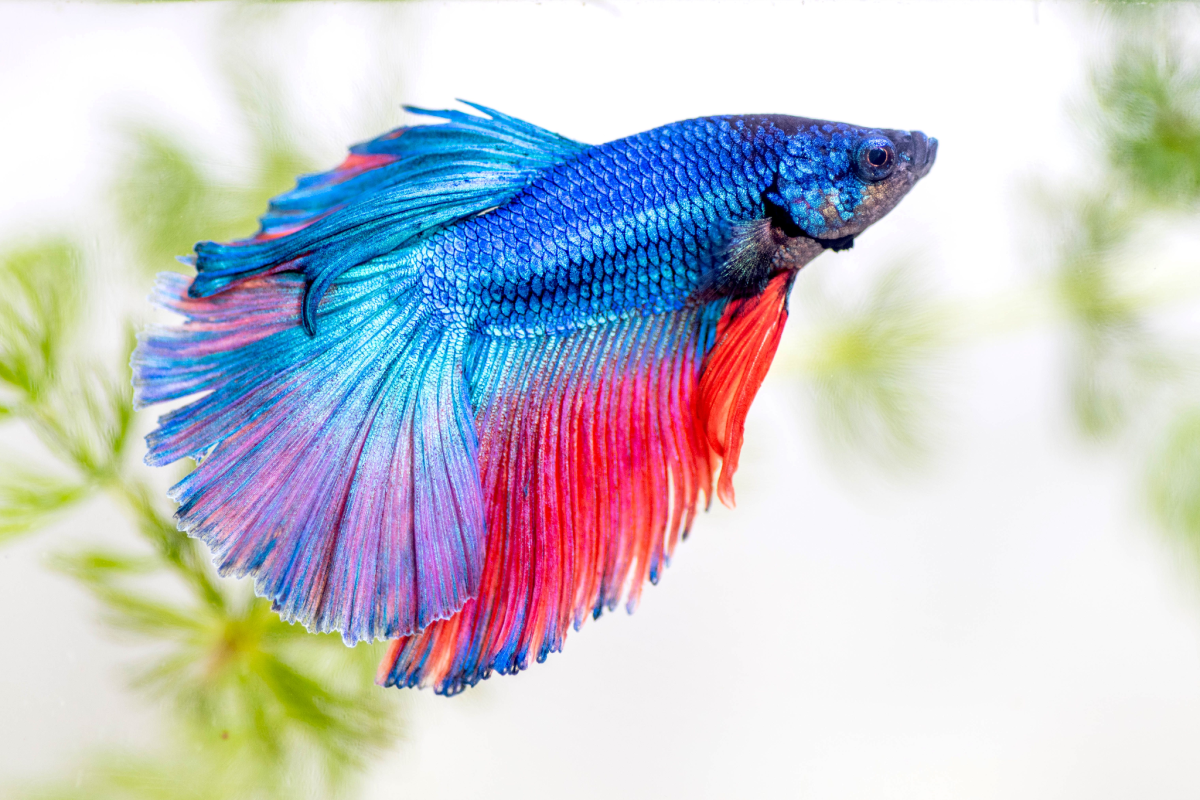
That fish looks perfect in the store. Bright color. Full fins. Swimming around like nothing is wrong.
It could still be carrying something that wipes out your entire tank in a matter of weeks.
This is one of the most misunderstood parts of the hobby. A fish can look completely fine and still be sick. Here’s why that happens, and why a real quarantine process, like the one used at Dr. Reef, exists for exactly this reason.
Looks Are Not a Health Test
Fish are prey animals. In the wild, showing weakness gets you eaten. That instinct doesn’t disappear in a store tank or a shipping bag.
A sick fish will often hide its symptoms as long as it possibly can. It will keep eating. It will keep swimming normally. Then, once the stress catches up with it, it crashes fast.
By the time visible signs show up, like white spots, cloudy eyes, or labored breathing, the disease has usually had days or weeks to spread. That is the real danger. The fish looked fine right up until it didn’t.
Common Diseases That Hide in Plain Sight
A few of the biggest culprits in this hobby are experts at staying invisible early on.
Marine ich (Cryptocaryon irritans) lives part of its life cycle buried in the fish’s skin and gills, not on the surface where you’d see it. A fish can carry it for a while before the first white spot ever appears.
Marine velvet (Amyloodinium) moves even faster and can kill a fish within days once symptoms show. Early on, though, an infected fish might just look a little more tired than usual.
Internal parasites rarely show any outward sign at all until the fish stops eating or starts wasting away.
None of these show up in a five-second look at a fish tank. That’s exactly why a proper quarantine protocol matters so much. It gives diseases time to surface before the fish ever reaches your display tank.
Why Wild-Caught Fish Carry More Risk
Most saltwater fish sold today are wild-caught, not tank-raised. That means they come straight from an ocean environment full of parasites and pathogens that marine fish have dealt with for millions of years.
A fish can carry a low-level parasite load in the wild without much trouble. Add the stress of capture, transport, and a new tank, and that same parasite load can explode into a full-blown outbreak.
Most wholesalers and local stores don’t have the time, space, or setup to quarantine large numbers of fish one at a time. It gets skipped. That’s a big part of why so many new tanks get hit with disease outbreaks that seem to come out of nowhere.
What a Real Quarantine Actually Catches
A proper quarantine period isn’t just a waiting game. It’s an active treatment process.
At Dr. Reef, incoming fish go straight into dedicated quarantine tanks with medications like copper or chloroquine phosphate, dosed carefully over two weeks. After that, fish move into observation tanks where treatments like Prazipro and Metronidazole target internal parasites that never would have shown up on a quick visual check.
That kind of process is designed to catch exactly the diseases that hide behind a healthy-looking fish. It’s a big reason why livestock listed on the shop page has already been through weeks of monitoring before it’s ever offered for sale.
What This Means for You at Home
Even with a well-quarantined fish, it still helps to know what to watch for once it’s in your tank.
Keep an eye on appetite. A healthy fish should be eating within the first day or two. Watch for scratching against rock or sand, which can be an early sign of parasites. Pay attention to breathing rate, since rapid or heavy gill movement is often one of the first real signals something is off.
The acclimation guide covers the first steps of getting a new fish settled in properly, which also makes it easier to notice if something seems off during that early window.
The Bottom Line
A fish that looks healthy isn’t the same as a healthy fish. Many of the most dangerous diseases in this hobby are built to stay hidden until it’s almost too late.
That’s exactly why quarantine exists. It’s not a formality. It’s the only real way to catch problems before they reach your tank. Choosing livestock that has already gone through weeks of treatment and observation, the way Dr. Reef handles every fish before it ships, is one of the simplest ways to avoid a disaster you never saw coming.