

Yellow Tang for Sale: Everything You Should Know Before Buying One

Yellow Tang for Sale: Everything You Should Know Before Buying One
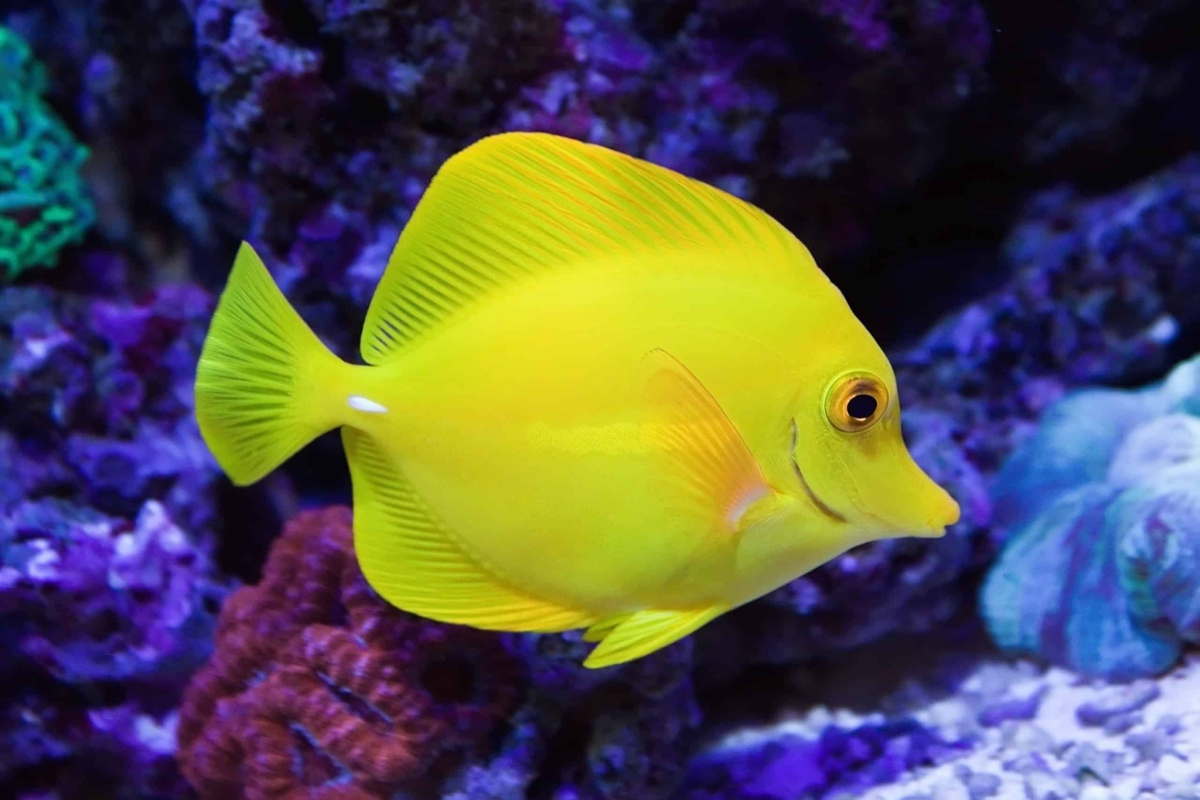
The Yellow Tang is one of the most recognizable fish in the saltwater hobby. Its bright, solid yellow body makes it an instant centerpiece in almost any reef tank, and its algae-grazing habits make it genuinely useful too. Before you add one to your own aquarium, here is what actually matters.
What Makes the Yellow Tang So Popular
Zebrasoma flavescens, better known as the Yellow Tang, keeps its vivid yellow coloring from the juvenile stage all the way into adulthood. It is an active swimmer that spends most of the day grazing on algae, which helps keep a reef tank looking clean while giving the fish something natural to do all day.
Captive-bred Yellow Tangs, like those available at Dr. Reef’s Quarantined Fish, tend to be hardier and adjust to aquarium life more quickly than wild-caught specimens, making them a solid pick even for less experienced hobbyists.
Tank Size and Setup Requirements
Yellow Tangs grow larger than many new hobbyists expect. Juveniles start around two to three inches but can reach six to eight inches as adults, so the tank needs to accommodate that growth from day one.
Minimum Requirements
- Tank size of at least 80 gallons
- Moderate to strong water flow with open swimming space
- Plenty of live rock for grazing and hiding
- A stable, mature reef system rather than a brand new setup
Adding a Yellow Tang to a small or newly cycled tank is one of the most common mistakes buyers make. This fish needs room to swim and a system with established water quality.
Water Parameters to Maintain
| Temperature | 74 to 80°F |
| Salinity | 1.023 to 1.025 |
| pH | 8.1 to 8.4 |
| Ammonia and Nitrite | 0 ppm |
| Nitrate | Under 10 ppm |
Staying within these ranges consistently matters more than hitting any single number perfectly. Sudden swings stress the fish far more than a slightly off but stable reading.
Diet and Feeding
Yellow Tangs are herbivores that graze constantly in the wild, so captive feeding should try to mimic that pattern rather than a single big meal.
- Offer nori sheets several times a week
- Include spirulina-based flakes or pellets
- Rotate in frozen herbivore blends for variety
- Feed two to three times daily in smaller amounts
A tang that stops grazing or shows a sunken belly is often a fish that is not getting enough to eat throughout the day.
Compatibility With Other Fish
Yellow Tangs are generally peaceful but can become territorial with other tangs, especially in smaller tanks. They tend to do well alongside gobies, blennies, wrasses, anthias, and most other reef-safe community fish. Before adding one to an existing setup, it is worth checking the compatibility chart to confirm how it will fit with your current tank mates, particularly if you already keep other surgeonfish.
Why Quarantine Matters for This Species
Tangs as a group are known for being more susceptible to marine ich and other parasites than many other reef fish. That makes buying from a seller with a real quarantine protocol especially important for this species, rather than a nice-to-have. A Yellow Tang that has already cleared a documented health check is far less likely to introduce problems into a tank that already has other fish and corals established.
Bringing Your Yellow Tang Home
Once the fish arrives, resist the urge to rush the introduction. Follow a proper acclimation guide to match temperature and salinity gradually, and keep the lights dim for the first few hours to reduce stress. A calm, slow introduction goes a long way toward getting a tang eating and settled quickly.
What to Expect on Price
Captive-bred Yellow Tangs at Dr. Reef’s currently range from $199.99 to $259.99 depending on size, with small and medium options available. Orders over $500 get a discounted shipping rate, and orders over $750 ship free, backed by a three-day live arrival guarantee.
Ready to Add One to Your Tank?
If your tank meets the size and stability requirements, a Yellow Tang can be one of the most rewarding additions you make. Check current availability and pricing in the shop, or visit the FAQ page if you still have questions about shipping or the guarantee before you order.