

White Tail Bristletooth Tang: Complete Care and Buying Guide

White Tail Bristletooth Tang: Complete Care and Buying Guide
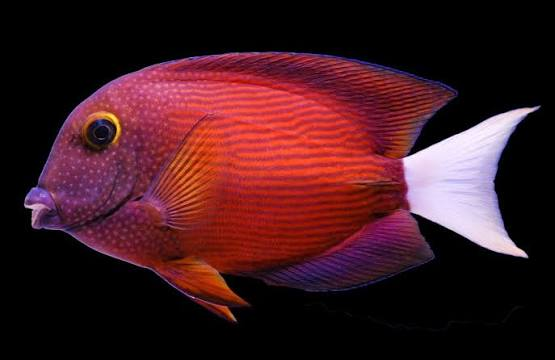
Not every tang needs a massive tank or years of reef-keeping experience. The White Tail Bristletooth Tang is one of the more approachable species in the surgeonfish family, and this guide walks through everything to check off before and after you bring one home.
1. Know What You Are Buying
Ctenochaetus flavicauda has a light brown body with fine markings and a clean white tail that gives the species its name. Adults reach 5 to 6 inches, noticeably smaller than many other tangs, which is part of why it fits into a wider range of tank sizes than most surgeonfish.
2. Confirm Your Tank Meets the Minimum
A 70-gallon tank is the minimum for this species, considerably smaller than the 125 to 180-gallon requirements common to larger tangs. Beyond raw volume, the tank should offer:
- Open swimming space with moderate water flow
- Plenty of live rock for grazing and hiding
- Stable, established water parameters rather than a system still cycling
3. Match the Water Parameters
Keep temperature between 74 and 80°F, salinity around 1.023 to 1.025, and pH between 8.1 and 8.4. Nitrate should stay under 10 ppm. This species is generally hardy, but stable conditions still matter more than occasionally perfect readings.
4. Plan the Feeding Routine
The White Tail Bristletooth Tang grazes constantly in the wild using its bristle-like teeth to pick algae and detritus off rock surfaces. Feeding at home should support that same grazing pattern.
- Offer nori sheets regularly for steady grazing
- Add spirulina-based flakes or pellets
- Include frozen herbivore blends a few times a week
- Feed two to three times daily rather than one large meal
5. Check Compatibility Before You Buy
This species is peaceful and blends well with gobies, blennies, wrasses, anthias, and most reef-safe community fish. The main thing to watch for is housing it alongside other aggressive tangs in a tight space, since it can be outcompeted or stressed by more assertive species. Reviewing the compatibility chart before adding one to an existing tank is worth the few minutes it takes.
6. Choose a Seller That Actually Quarantines
Even a hardy, beginner-friendly species can carry disease if it skips proper screening before shipping. At Dr. Reef’s Quarantined Fish, every White Tail Bristletooth Tang goes through a documented quarantine protocol rather than shipping straight from a crowded holding tank. That step alone makes a noticeable difference in how quickly the fish settles in and starts eating.
7. Acclimate It the Right Way
Once the fish arrives, float the bag to equalize temperature, dim the tank lights for the first few hours, and give it immediate access to hiding spots and nori. Following a full acclimation guide rather than rushing the process reduces stress and helps the fish transition smoothly into its new home.
8. Watch for Signs of a Healthy Fish
After introduction, look for active grazing and swimming, clear eyes, smooth fins, and a strong appetite. A fish that hides constantly or refuses food in the first few days may need closer attention to water quality or tankmate dynamics.
9. Budget for the Purchase
The White Tail Bristletooth Tang is priced at $329.99. Orders over $500 get a discounted shipping rate, and orders over $750 ship free, all backed by a three-day live arrival guarantee, and payment goes through PayPal, Stripe, or Venmo.
10. Decide If It Fits Your Setup
If you have a tank of at least 70 gallons, want a genuinely useful algae grazer without taking on the size and aggression that come with larger tangs, and appreciate a subtler, understated look over a flashy centerpiece fish, the White Tail Bristletooth Tang checks a lot of boxes for both beginner and intermediate reef keepers.
Browse current availability in the shop, or check the FAQ page if you still have questions about sizing or shipping before you place an order.