
Skeletor Eel
$249.99
Rhinomuraena quaesita
| Care Level | Expert |
| Temperament | Shy, peaceful, very sensitive |
| Color Form | Ghostly white to pale blue body with black skull-like facial markings |
| Diet | Carnivore |
| Reef Compatible | With caution |
| Water Conditions | sg 1.023–1.025, 72–78°F, pH 8.1–8.4 |
| Max Size | 40“ |
| Family | Muraenidae |
| Minimum Tank Size | 55 gallons |
Skeletor Eel
Also known as the Masked Moray or Blue-Ribbon Eel Variant
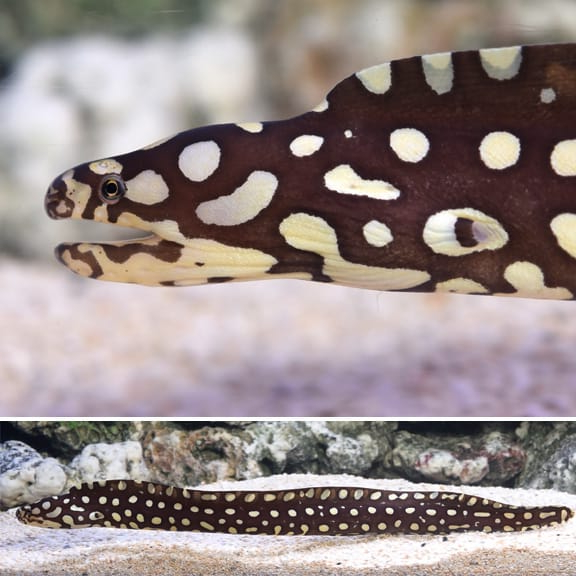
The Skeletor Eel is an exceptionally rare and striking color variant of the ribbon eel, featuring a ghostly white to pale blue body with distinctive black facial markings resembling a skull. Native to the Indo-Pacific region, this stunning morph is extremely uncommon in the wild and highly sought-after by collectors. Despite their beauty, Skeletor Eels are notoriously difficult to keep, with high mortality rates due to their specialized feeding requirements, sensitivity to captivity, and tendency to refuse food. They are suitable only for expert aquarists with extensive eel-keeping experience and realistic expectations about their challenging nature.
Key Features
Scientific Name: Rhinomuraena quaesita (rare color morph)
Common Names: Skeletor Eel, Masked Moray, White Ribbon Eel
Adult Size: 30–40 inches (75–100 cm)
Lifespan: 2–5 years in captivity (often much shorter; 10+ years in wild)
Temperament: Shy and reclusive; non-aggressive but sensitive
Reef Compatibility: Reef-safe with corals; may consume very small fish
Minimum Tank Size: 55 gallons minimum (75+ gallons recommended)
Experience Level: Expert only – extremely difficult to maintain
Habitat & Tank Requirements
Tank Environment:
- Deep sand bed (4–6 inches minimum) for burrowing
- Multiple PVC pipes or caves for security
- Escape-proof lid with absolutely no gaps mandatory
- Dim to moderate lighting (bright light stresses them)
- Very gentle water flow
- Peaceful, stress-free environment essential
Water Parameters:
- Temperature: 72–78°F (22–26°C)
- Salinity: 1.023–1.025 specific gravity
- pH: 8.1–8.4
- Ammonia/Nitrite: 0 ppm
- Nitrate: <10 ppm (very sensitive to poor water quality)
Diet & Feeding
Recommended Foods:
- Live grass shrimp (often only food accepted initially)
- Live ghost shrimp
- Live small fish (occasional)
- Fresh or frozen whole fish (silversides) – rarely accepted
- Fresh shrimp – training required
Feeding Strategy:
- May refuse all food for weeks
- Requires live foods initially (frozen rarely accepted)
- Feed daily if eating (small portions)
- Target feed using tongs near hiding spot
- High mortality from starvation – most critical challenge
Behavior & Compatibility
Temperament:
- Extremely shy and reclusive
- Non-aggressive toward tankmates
- Hides constantly; rarely visible
- Easily stressed by active fish or bright lights
- Very sensitive to environmental changes
Tank Mates:
- Compatible with: Peaceful fish only (cardinalfish, small gobies, peaceful wrasses)
- Avoid: Aggressive fish, competitive feeders, very active fish, large fish
Reef Compatibility:
- Safe with all corals
- May consume very small fish (under 2 inches)
- Will not harm invertebrates
- Peaceful enough for reef systems if feeding requirements met
Health & Safety
Health Considerations:
- Extremely high mortality rate in captivity (60–80%)
- Starvation is primary cause of death
- Very sensitive to stress and poor water quality
- Difficult to observe health due to reclusive nature
- Often refuse food until death
- Quarantine nearly impossible due to feeding challenges
Escape Prevention:
- Expert escape artists like all eels
- Secure, weighted lid mandatory
- Will find and exploit any gap
- Check lid security frequently
Signs of Health (Rare to Observe):
- Pale white to blue coloration with black facial mask
- Occasional emergence from hiding
- Acceptance of food offerings
- No visible lesions or damage
Color & Special Features
Coloration:
- Body: Ghostly pale white to light blue
- Face: Distinctive black markings resembling skull (Skeletor appearance)
- Nostrils: Elaborate leaf-like appendages
- Rarity: Extremely rare color morph; significantly more expensive than standard ribbon eels
Size:
- Slender, elongated body (30–40 inches)
- Much thinner than moray eels
- Smaller body mass despite length
Specialized Requirements:
- Live food availability mandatory
- Extremely peaceful tankmates only
- Mature, stable aquarium essential
- Constant monitoring required
- Very expensive (often $200–500+) for high mortality risk
Not Suitable For:
- Aquarists without extensive eel experience
- Community tanks with active fish
- Anyone expecting reliable feeding
- Aquarists unprepared for likely loss
- Impulse purchases based on appearance alone
Ideal Candidates (Extremely Limited):
- Expert eel keepers with multiple successful ribbon eel experiences
- Dedicated species-only or very peaceful tanks
- Access to continuous live food supply
- Realistic expectations about mortality risk
- Financial ability to accept likely loss
Unless you have successfully maintained standard ribbon eels long-term, have continuous access to live foods, and can accept the high probability of loss despite best efforts, this species should be admired in photographs rather than attempted in home aquariums. Their beauty does not outweigh their suffering when care requirements cannot be consistently met.
For most aquarists, standard blue or black ribbon eels (which are themselves challenging) represent more ethical and realistic choices.
You must be logged in to post a review.
Related products
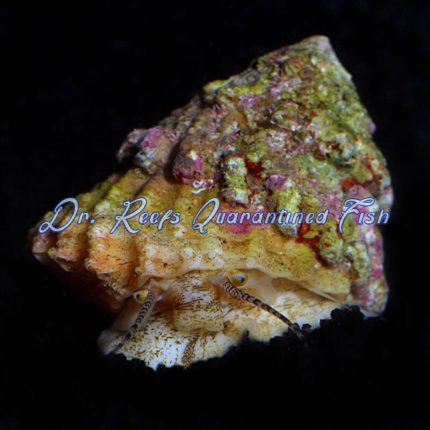
Astraea Snail
Price range: $29.99 through $79.99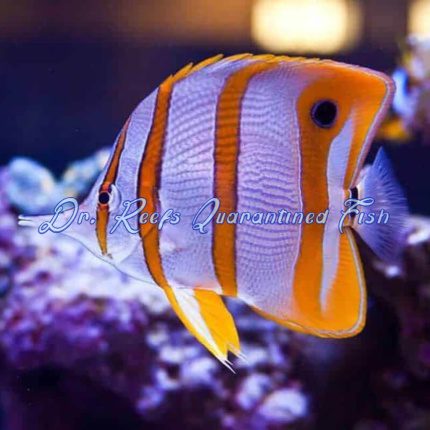
Copperband Butterflyfish
Price range: $149.99 through $218.99
Margarite Snail
Price range: $11.99 through $54.99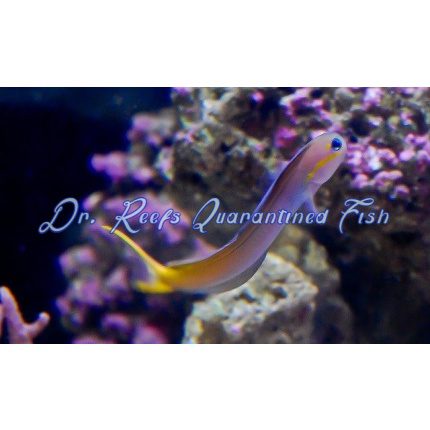
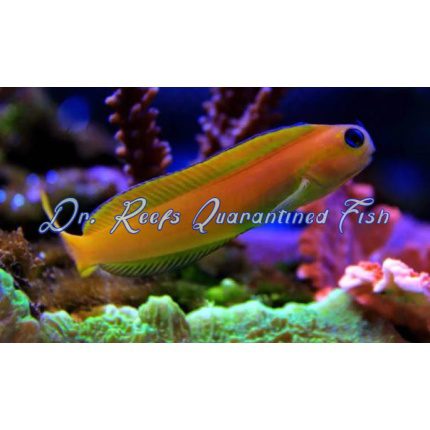
Midas Blenny
Price range: $99.99 through $114.99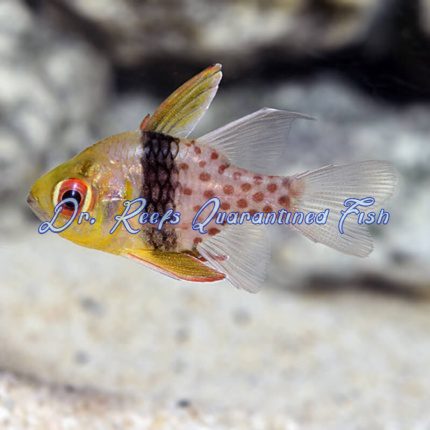
Pajama Cardinal (Captive Bred)
Price range: $39.99 through $45.99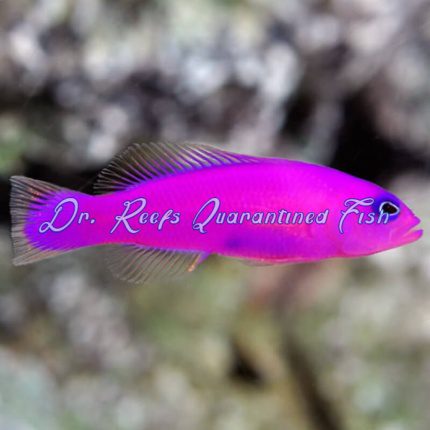
Purple Dottyback
Price range: $29.99 through $34.99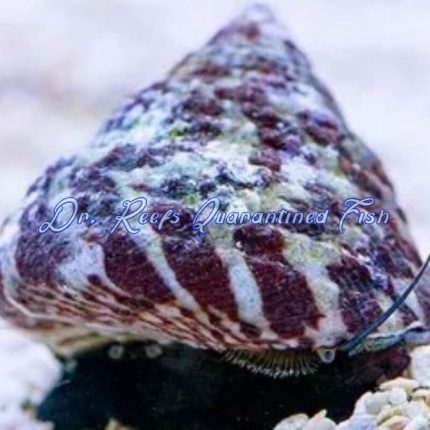
Reviews
There are no reviews yet.