
Janss’ Pipefish
$59.99
Doryrhamphus janssi
| Care Level | High |
| Temperament | Very peaceful and shy |
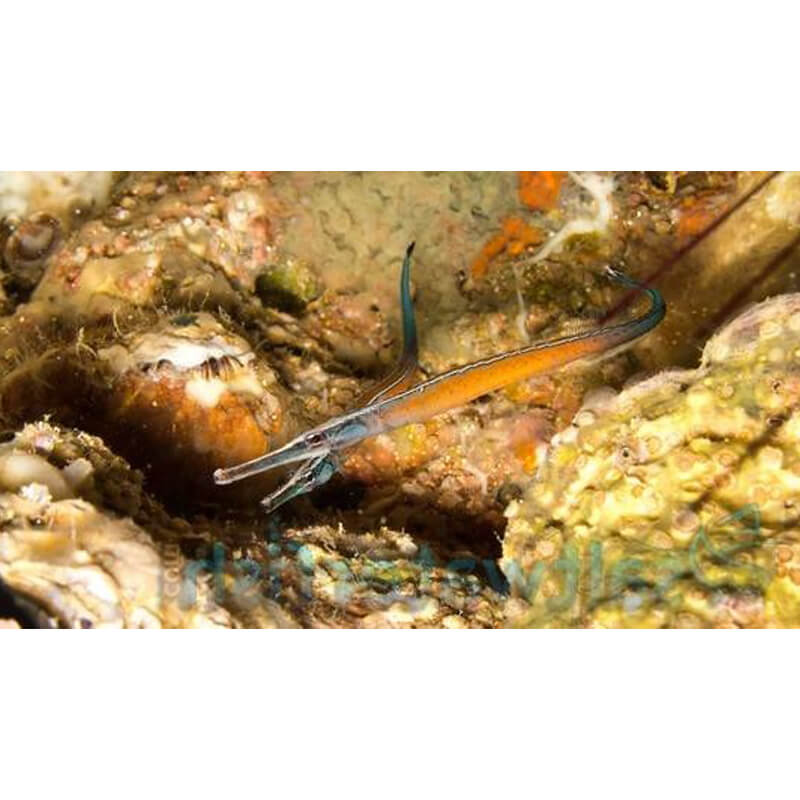
| Color Form | Cream to pale orange base with vivid electric-blue horizontal stripes running the full length of the body |
| Diet | Carnivore (specialized micro-feeder) |
| Reef Compatible | Reef-safe |
| Water Conditions | 74–80°F (23–27°C), 1.023–1.025 sg, pH: 8.1–8.4, 8–12 dKH |
| Max Size | 6″ |
| Family | Syngnathidae |
| Minimum Tank Size | 30 gallons |
Janss’ Pipefish
Also known as the Janss’s Pipefish or Blue-striped Pipefish
Janss’ Pipefish is a delicate, enchanting marine species that brings grace and elegance to peaceful reef aquariums. Native to the Indo-Pacific region, particularly around Indonesia and the Philippines, this slender relative of the seahorse features a distinctive elongated body adorned with striking blue and orange stripes. While their specialized care requirements and fragile nature make them suitable only for experienced aquarists with well-established, tranquil systems, they offer unique beauty and captivating behaviors for those prepared to meet their exacting needs.
Key Features
- Scientific Name: Doryrhamphus janssi
- Common Names: Janss’ Pipefish, Janss’s Pipefish, Blue-striped Pipefish
- Adult Size: 4–6 inches (10–15 cm)
- Lifespan: 3–5 years with proper care
- Temperament: Peaceful, shy, and non-aggressive; easily outcompeted for food
- Reef Compatibility: Reef-safe – will not harm corals or most invertebrates
- Minimum Tank Size: 30 gallons minimum (50+ gallons recommended for pairs)
- Experience Level: Advanced to expert – requires specialized feeding and peaceful environment
Habitat & Tank Requirements
Natural Habitat: Found in sheltered coastal reefs, lagoons, and caves at depths ranging from 6 to 150 feet. Typically observed hovering near crevices, overhangs, and branching corals where they can quickly retreat when threatened.
Tank Environment:
- Abundant hiding places with caves, crevices, and overhangs
- Live rock structure with plenty of swimming pathways
- Branching corals or artificial decorations for perching
- Gentle water flow (too strong current causes stress)
- Dim to moderate lighting preferred
- Peaceful community with no aggressive tankmates
- Mature tank with established microfauna populations
Water Parameters:
- Temperature: 72–78°F (22–26°C)
- Salinity: 1.023–1.025 specific gravity
- pH: 8.1–8.4
- Ammonia/Nitrite: 0 ppm
- Nitrate: <10 ppm (pristine water quality essential)
- Alkalinity: 8–12 dKH
Essential Equipment:
- High-quality protein skimmer appropriate for tank size
- Gentle filtration system (avoid strong intake currents)
- Refugium with copepod production highly recommended
- Low to moderate flow circulation pumps
- Stable heating system
- Regular small water changes (10–15% weekly)
Diet & Feeding
Janss’ Pipefish are specialized carnivores requiring live or frozen meaty foods and frequent feeding opportunities throughout the day.
Recommended Foods:
- Live Foods: Live copepods, amphipods, mysis shrimp, brine shrimp (primary diet)
- Frozen Foods: Frozen copepods, frozen mysis shrimp, frozen cyclops, enriched baby brine shrimp
- Prepared Foods: Finely minced seafood, small marine carnivore preparations (difficult to train)
- Microfauna: Continuous supply from established live rock and refugium
- Enrichment: Vitamin-enriched foods, omega-3 supplemented preparations
Feeding Schedule:
- Feed 2–4 times daily for optimal health
- Continuous access to microfauna through refugium or live rock essential
- Offer small, appropriately sized prey items
- Target feeding recommended to ensure adequate intake
- Watch for weight loss; prominent backbone indicates underfeeding
- Remove aggressive competitors during feeding time
Behavior & Compatibility
Temperament:
- Extremely peaceful and timid
- Slow, deliberate swimming style
- Retreats quickly when startled
- Non-territorial except males toward other male pipefish
- Spends time hovering near hiding spots
- May become stressed by boisterous tankmates
Tank Mates:
- Compatible with: Small gobies, firefish, small peaceful wrasses, dartfish, Banggai cardinalfish, peaceful blennies, dragonets, seahorses
- Caution with: Fast-moving fish, aggressive feeders, larger angelfish, any species that may nip fins
- Avoid: Aggressive fish, predatory species, fast swimmers that outcompete for food, large dottybacks, damselfish, larger wrasses
Social Behavior:
- Can be kept singly or in pairs (male/female)
- Pairs form strong bonds and may breed in captivity
- Males may display mild territoriality toward other males
- Best kept with similarly sized, peaceful pipefish or seahorse species
- Thrives in species-specific or biotope setups
Reef Compatibility:
- Completely reef-safe with corals and anemones
- Will not harm ornamental invertebrates
- May consume tiny feeder shrimp but not ornamental species
- Delicate body requires careful placement of decorations
- Ideal for mature, peaceful reef environments with abundant hiding places
Acclimation & Care Tips
Initial Acclimation:
- Use slow drip acclimation over 60–90 minutes
- Float bag for temperature equalization (15–20 minutes)
- Keep lights dim during and after acclimation
- Add to tank during evening hours when other fish are less active
- Have live foods available immediately after introduction
- Observe closely for first 48 hours to ensure feeding
Health Considerations:
- Susceptible to bacterial infections, particularly around the snout
- Prone to stress-related diseases when harassed by tankmates
- Vulnerable to marine ich and velvet when water quality declines
- Quarantine for 3–4 weeks recommended before adding to display
- Watch for loss of appetite, listlessness, or labored breathing
- Snout damage from striking tank walls or decorations requires immediate attention
Signs of a Healthy Specimen:
- Active, alert hovering with upright posture
- Clear, bright eyes tracking movement
- Intact snout with no redness or damage
- Full, rounded body with no visible backbone
- Eager feeding response to live foods
- Smooth, even breathing through gill openings
- Vibrant coloration with distinct stripe patterns
Color & Development
Coloration Characteristics:
- Body: Cream to pale orange base color
- Stripes: Bright blue horizontal stripes running length of body
- Snout: Orange-red coloration, sometimes with blue markings
- Tail: Often features blue and orange banding
- Fins: Transparent to pale with delicate structure
- Pattern: Alternating blue and orange creates striking contrast
Color Intensity:
- High-quality diet rich in carotenoids maintains vibrant colors
- Stress causes rapid fading of blue stripes
- Poor nutrition results in pale, washed-out appearance
- Proper lighting enhances natural coloration
- Males may display more intense colors during courtship
Size & Growth:
- Juveniles typically available at 2–3 inches
- Moderate growth rate with proper feeding
- Reach adult size within 12–18 months
- Maximum size in captivity typically 5–6 inches
- Growth heavily dependent on consistent food availability
Breeding & Reproductive Behavior
Natural Breeding Biology:
- Males carry eggs in specialized brood pouch
- Female deposits eggs into male’s pouch during courtship
- Gestation period of 10–14 days
- Male releases fully formed miniature pipefish
Breeding Behavior:
- Pairs engage in elaborate courtship displays
- Male and female swim together in synchronized movements
- Breeding more likely in species-specific or peaceful setups
- Stable pair bonds increase breeding success
- Fry require extremely small live foods (rotifers, copepod nauplii)
Why Choose a Quarantined Janss’ Pipefish?
A properly quarantined Janss’ Pipefish is a healthier, better-acclimated specimen that has been carefully observed, treated, and conditioned for aquarium life. Our quarantine protocol includes extended health observation (3–4 weeks minimum), preventative treatment for common pathogens, dietary conditioning to accept frozen foods alongside live prey, assessment of feeding behavior and body condition, and gradual acclimation to aquarium lighting and activity levels.
This provides you with confidence that your pipefish has been professionally evaluated and prepared for the demands of home aquarium life. These exquisite creatures represent a rewarding challenge for advanced aquarists, combining stunning beauty, peaceful temperament, and fascinating behaviors in a species that demands patience, dedication, and a commitment to maintaining pristine water conditions and specialized feeding protocols.
| Service Level |
Quarantined |
|---|
You must be logged in to post a review.
Related products
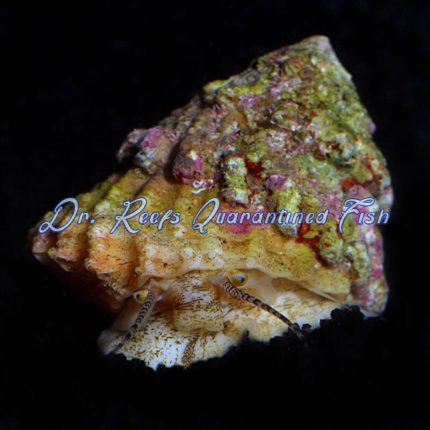
Astraea Snail
Price range: $29.99 through $79.99
Blue Leg Hermit Crabs
Price range: $19.99 through $74.99
Chromis
Price range: $19.99 through $45.99
Copperband Butterflyfish
Price range: $149.99 through $218.99
Reviews
There are no reviews yet.