
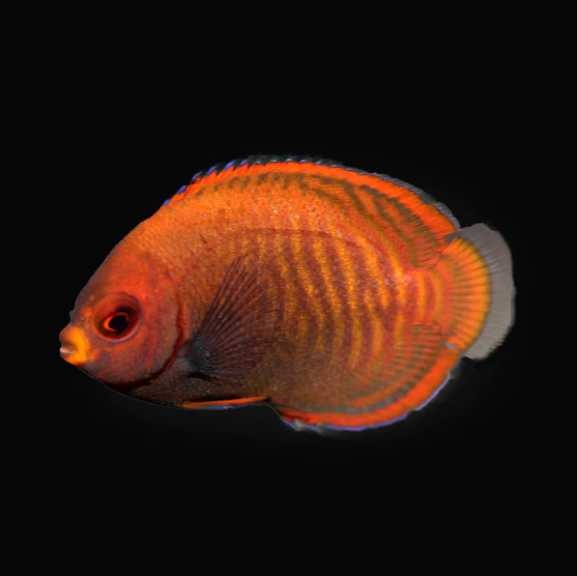
Golden Angelfish (Captive Bred)
Original price was: $699.99.$599.99Current price is: $599.99.
Centropyge aurantia
| Care Level | Moderate to High |
| Temperament | Semi-aggressive |
| Color Form | Deep gold to orange body |
| Diet | Omnivore |
| Reef Compatible | With Caution |
| Water Conditions | 72–78°F (22–26°C), Sg 1.020–1.025, pH: 8.1–8.4, dKH: 8–12 |
| Max Size | 5.5″ |
| Family | Pomacanthidae |
| Minimum Tank Size | 55 – 70+gallons |
Live Arrival Guarantee
Approximate Purchase Size: Tiny to small
Golden Angelfish (Captive Bred)
Also known as the Lemonpeel Angelfish or Golden Dwarf Angelfish
The Captive-Bred Golden Angelfish is a vibrant and eye-catching dwarf angelfish species featuring brilliant golden-yellow to lemon-yellow coloration that creates an instant focal point in any marine aquarium. Captive breeding has made this beautiful species more accessible and significantly harder than wild-caught specimens, offering aquarists a stunning fish with superior disease resistance and adaptability. Native to the Indo-Pacific region, this species brings sunshine-bright coloration and active personality to reef and FOWLR systems while supporting sustainable aquaculture practices that protect natural reef populations.
Key Features
- Scientific Name: Centropyge aurantia
- Common Names: Golden Angelfish, Lemonpeel Angelfish, Golden Dwarf Angelfish, Yellow Angelfish
- Adult Size: 4–5.5 inches (typically 4–5 inches in captivity)
- Lifespan: 5–10+ years with proper care (captive-bred specimens often exceed 12 years)
- Temperament: Semi-aggressive; territorial with other dwarf angelfish but generally peaceful with other species
- Reef Compatibility: With caution – may nip at soft corals, zoanthids, and clam mantles (significant individual variation)
- Minimum Tank Size: 55 gallons minimum (70+ gallons recommended)
- Experience Level: Intermediate (captive-bred hardiness makes them accessible to careful beginners)
Habitat & Tank Requirements
- Tank Environment: Provide abundant live rock structures with caves, crevices, and hiding spots. Golden Angels are active, curious swimmers that appreciate both secure refuges and open areas to explore. They spend considerable time investigating rockwork, grazing on algae and biofilm, and patrolling their established territories.
- Water Parameters:
- Temperature: 72–78°F (22–26°C)
- Salinity: 1.020–1.025
- pH: 8.1–8.4
- Ammonia/Nitrite: 0 ppm
- Nitrate: <20 ppm
- dKH: 8–12
- Calcium: 380–450 ppm
- Aquascape: Complex rockwork with multiple territories, caves, and abundant natural algae growth. They establish territories within rock structures and defend prime grazing areas. Captive-bred specimens are adaptable to various aquascaping styles and generally less demanding than wild-caught fish.
- Compatibility: Generally peaceful with most fish species but can be territorial and aggressive toward other dwarf angelfish, especially other Centropyge species. Compatible with peaceful to semi-aggressive community fish including tangs, wrasses, gobies, blennies, clownfish, dartfish, and cardinalfish. Captive-bred specimens often display slightly more moderate temperaments than wild-caught fish. Best added after very timid species are established to minimize stress on shy tank mates.
Diet & Feeding
Captive-bred Golden Angelfish are trained from early development to accept diverse prepared foods:
- Meaty Foods: Mysis shrimp, vitamin-enriched brine shrimp, finely chopped seafood, high-quality marine pellets (enthusiastically accepted by captive-bred specimens), frozen carnivore preparations for omnivores
- Plant Matter: Marine algae sheets (nori, sea lettuce), spirulina-based foods, natural algae growth on live rock (important dietary component), herbivore flakes and pellets
- Specialty Foods: Angelfish formulas containing sponge material (beneficial for long-term health), color-enhancing preparations with spirulina, astaxanthin, and natural carotenoids (important for maintaining vibrant yellow coloration)
- Prepared Foods Advantage: Captive-bred specimens readily accept high-quality pellets and flakes from juvenile stage, making daily feeding straightforward and reliable
- Live Rock Grazing: Benefit significantly from live rock with rich film algae, biofilm, and microfauna for continuous natural foraging behavior
- Feeding Schedule: Feed 2–3 times daily in moderate portions. Golden Angels have active metabolisms and benefit from consistent feeding schedules to maintain optimal health and brilliant coloration.
Notes & Considerations
- Behavior: Captive-bred Golden Angels are active, bold, and constantly exploring their environment. They establish small territories within rockwork and defend prime grazing areas, particularly against other dwarf angelfish. Once acclimated, they become highly visible throughout the tank, swimming actively in open water and confidently exploring all areas. They display curious, engaging personalities and often recognize their owners, especially during feeding times.
- Coral Compatibility: Considered “reef-safe with caution” with significant individual variation. Success in reef systems varies dramatically by specimen. Many aquarists successfully keep Golden Angels in full reef tanks without issues, while others experience nipping at soft corals (zoanthids, leather corals, mushrooms, xenia), large-polyp stony corals, and clam mantles. Captive-bred specimens raised in coral-free systems may initially show lower coral-nipping tendencies, though this is not guaranteed. Close monitoring is essential in reef environments, and having a contingency plan is prudent.
- Brilliant Golden Coloration: Body color is intense bright golden-yellow to lemon-yellow throughout, creating stunning visual impact and instantly brightening any aquarium. The eye is ringed with electric blue to bright blue, providing beautiful contrast. The gill cover area shows an orange to orange-yellow marking. The fins display blue margins—dorsal, anal, and caudal fins have distinctive bright blue to pale blue edging that creates elegant definition. The overall effect is one of pure sunshine captured in fish form, one of the brightest, most cheerful colorations in the dwarf angelfish family.
- Color Maintenance: Vibrant yellow coloration is maintained and enhanced through premium diet quality. Foods containing spirulina, natural carotenoids, and color-enhancing ingredients are particularly effective. Captive-bred specimens fed optimal diets often display color intensity equal to or exceeding wild-caught fish. Inadequate diet or poor water quality can lead to color fading.
- Sexual Dimorphism: Golden Angels are protogynous hermaphrodites like other Centropyge species. Males may show slightly more intense coloration, marginally larger size, and more prominent blue eye rings, though visual sexing remains challenging. Females are typically slightly smaller with somewhat duller yellow tones.
- Similar Species Distinction: Golden Angels are sometimes confused with the Herald’s Angelfish (Centropyge heraldi), which lacks the blue eye ring and has a more uniform yellow coloration without blue fin margins. True Golden/Lemonpeel Angels always display the distinctive blue eye ring and blue fin edging.
- Territorial Behavior: The primary compatibility concern is aggression toward other dwarf angelfish. Only house with other Centropyge species in very large tanks (100+ gallons) with extensive rockwork providing multiple distinct territories, and even then conflicts may develop. Generally best kept as the only dwarf angelfish in most systems.
- Superior Hardiness: Captive-bred specimens demonstrate exceptional disease resistance, adaptability to varying water conditions, and excellent tolerance for shipping and acclimation stress compared to wild-caught fish.
Why Choose Captive-Bred Golden Angelfish?
Captive-bred specimens offer substantial advantages:
- Exceptional Hardiness: Raised in disease-free, controlled environments with optimal nutrition from larval stage, resulting in robust immune systems and outstanding disease resistance far exceeding wild-caught specimens
- Immediate Feeding Response: Pre-trained on diverse prepared, frozen, and pelleted foods from early development, eliminating feeding challenges and ensuring enthusiastic eating upon arrival
- Stress-Free Acclimation: No collection trauma or lengthy shipping from Indo-Pacific reefs results in calm, confident fish that adapt immediately to new aquariums
- Vibrant Coloration: Captive-bred specimens fed premium diets often display color intensity equal to or exceeding the most brilliant wild-caught fish
- Environmental Sustainability: Protects wild Indo-Pacific reef populations from collection pressure, supporting ocean conservation and responsible marine aquaculture
- Predictable Temperament: Generally display more moderate, manageable aggression levels compared to wild-caught specimens that may have experienced intense territorial competition
- Beginner Accessibility: Superior hardiness, enthusiastic feeding, and adaptability make captive-bred Golden Angels suitable for careful beginners with proper research
- Proven Longevity: Captive-bred specimens regularly achieve 10–15+ year lifespans versus shorter averages for wild-caught fish
- Quality Consistency: Breeding programs produce specimens with optimal health, excellent body condition, and vibrant coloration
- Supporting Innovation: Purchasing captive-bred specimens encourages continued marine aquaculture development and expansion of breeding programs to additional species
Quarantine Benefits
Even hardy captive-bred Golden Angels benefit from quarantine protocols:
- Final Health Verification: Confirms continued excellent health through shipping and any wholesale/retail holding periods
- Feeding Confirmation: Validates enthusiastic acceptance of your specific food brands, types, and feeding schedule
- Stress Recovery: Allows complete recovery from any shipping-related stress in peaceful, controlled environment
- Behavioral Observation: Confirms normal swimming patterns, foraging behavior, territorial displays, and absence of concerns
- Prophylactic Assurance: Eliminates any potential parasites or pathogens from wholesale facilities through gentle preventive treatments
- Confidence Building: Provides absolute certainty about health, feeding vigor, and behavior before display tank introduction
- Color Assessment: Stress-related color fading resolves during quarantine, allowing accurate evaluation of true color intensity
Our captive-bred Golden Angelfish undergo a 3-4 week quarantine with premium nutrition, gentle treatments, and careful monitoring, ensuring they arrive healthy, vibrant, and confident, bright, hardy, and sustainably raised, making them a cheerful, active, and long-lasting addition to your aquarium.
| Service Level | Quarantined |
|---|
You must be logged in to post a review.
Related products
Astraea Snail
Price range: $29.99 through $79.99
Cerith Snail
Price range: $14.99 through $69.99
Mandarin – Blue/Green (Wild Caught)
$79.99
Nassarius Snail Large
Price range: $19.99 through $69.99
Pajama Cardinal (Captive Bred)
$39.99
Reviews
There are no reviews yet.