
Black Tip Reef Shark
$5,999.99
Carcharhinus melanopterus
| Care Level | Expert Only |
| Temperament | Aggressive |
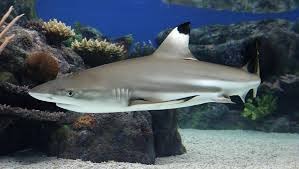
| Color Form | Gray body with distinctive black tips on all fins |
| Diet | Carnivore |
| Reef Compatible | No |
| Water Conditions | sg 1.024–1.026, 75–82°F, pH 8.0–8.4 |
| Max Size | 72″ |
| Family | Carcharhinidae |
| Minimum Tank Size | 500 gallons |
Live Arrival Guarantee Only
Description
Black Tip Reef Shark
Also known as Blacktip Shark, Black Tip Shark
The Black Tip Reef Shark is one of the most iconic and recognizable shark species, featuring a sleek gray body with distinctive black tips on all fins, particularly the dorsal and caudal fins. This active, fast-swimming requiem shark is a spectacular display animal but requires truly massive aquarium systems and expert-level care. While visually stunning and highly desirable, this species is only suitable for public aquariums or exceptionally large private installations with experienced staff.
Key Features
- Scientific Name: Carcharhinus melanopterus
- Common Names: Blacktip Reef Shark, Black Tip Shark
- Adult Size: Up to 60–72 inches (can reach 84 inches in wild)
- Lifespan: 10-15+ years with proper care
- Temperament: Active predator; can be aggressive
- Reef Compatibility: Not applicable; requires species-specific system
- Minimum Tank Size: 500 gallons strongly preferred
- Experience Level: Expert Only; requires professional-level facilities and care
Habitat & Tank Requirements
Tank Environment: Requires enormous circular or oval tank with unobstructed swimming space. Minimum 20+ feet in diameter strongly recommended. No sharp decorations or corners. Smooth surfaces are essential. Must have powerful water circulation creating constant current. Rounded tank design prevents injury from constant swimming. Professional filtration systems are mandatory.
Water Parameters:
- Temperature: 75-82°F (24-28°C)
- Salinity: 1.024-1.026 (oceanic salinity)
- pH: 8.0-8.4
- Pristine water quality absolutely critical
Equipment Recommendations:
- Industrial-grade filtration system
- Multiple large protein skimmers
- Massive water circulation (10,000+ GPH minimum)
- UV sterilization
- Ozone systems recommended
- Professional life support systems
- Backup power systems essential
These maintain water quality in massive systems housing large predators.
Diet & Feeding
Black Tip Reef Sharks are apex predators requiring substantial live and fresh foods.
Recommended foods include:
- Primary: Whole fresh or frozen fish (mackerel, herring, capelin, silversides)
- Variety: Squid, octopus, cuttlefish, large shrimp
- Supplements: Vitamin-enriched foods essential
- Feeding Method: Large whole prey items; may require target feeding initially
Feeding Frequency: 2-4 times weekly; large meals
Special Note: Requires enormous food budget. May refuse food initially; stress and acclimation period can be lengthy and difficult. Some specimens never acclimate to captivity.
Social Structure & Compatibility
- Tankmates: Only with other large sharks or rays in massive systems
- Aggressive: Predatory toward any fish it can swallow
- Solitary: Best kept individually or in very large systems with careful planning
- Dangerous: Can inflict serious injuries; professional handling required
Notes & Considerations
- EXTREME EXPERT ONLY: Not suitable for home aquariums under any circumstances.
- Requires truly massive systems: 5,000-10,000+ gallon minimum.
- Constant swimmer; must have unobstructed circular swimming path.
- Will injure itself in tanks with corners or insufficient swimming space.
- Prone to rostral injuries from striking tank walls or decorations.
- Extremely difficult to acclimate to captivity; many specimens fail to adjust.
- High mortality rate in the first year of captivity even in professional facilities.
- May refuse food for extended periods causing severe health decline.
- Requires commercial-grade life support systems.
- Monthly food costs alone can exceed thousands of dollars.
- Needs backup power systems; power loss can be fatal.
- Legal restrictions in many jurisdictions; permits often required.
- Liability and insurance considerations are significant.
- Cannot be housed with small fish or most invertebrates.
- Active predator that may become aggressive during feeding.
- Professional handling required for all maintenance.
- Grows rapidly; juvenile specimens outgrow systems quickly.
- Native to Indo-Pacific coral reef systems.
- In nature, it inhabits shallow reefs and lagoons.
- Viviparous; live-bearing species (not relevant for aquarium breeding).
- Spectacular to observe but represents enormous commitment and expense.
- Only appropriate for public aquariums or professional facilities.
- High stress levels in captivity even in ideal conditions.
- Ethical considerations regarding captivity should be carefully weighed.
Why Choose a Quarantined Black Tip Reef Shark?
Professional quarantine facilities with appropriate systems are mandatory. All specimens must be carefully observed, veterinary care provided, and gradual acclimation protocols followed before introduction to display systems. Success rates are significantly improved with professional quarantine, but this species remains one of the most challenging sharks to maintain in captivity.
For private aquarists: Please consider more suitable shark species such as bamboo sharks, epaulette sharks, or catsharks that are appropriate for home systems.
Additional information
| Service Level | Quarantined |
|---|
Reviews (0)
You must be logged in to post a review.
Shipping & Delivery
Reviews
There are no reviews yet.