
Bartlett’s Anthias
Price range: $109.99 through $149.99
Pseudanthias bartlettorum
| Care Level | Moderate |
| Temperament | Peaceful and social |
| Color Form | Pink and yellow coloration |
| Diet | planktivores |
| Reef Compatible | Completely reef safe |
| Water Conditions | sg 1.023–1.025, 72–78° F, pH 8.1–8.4 |
| Max Size | 3.5“ |
| Family | Serranidae |
| Minimum Tank Size | 70 gallons |
3-Day Guarantee
Approximate Purchase Size: Medium: 2-3″
Bartlett’s Anthias
Also known as Bartlett’s Fairy Basslet
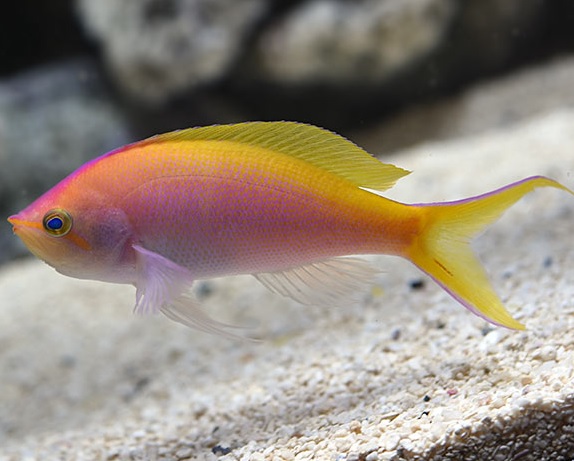
The Bartlett’s Anthias is a peaceful and active schooling fish that brings vibrant color and constant movement to reef aquariums. Native to the Pacific Ocean, this species is prized for its stunning pink and yellow coloration and its dynamic swimming behavior when kept in groups.
Key Features
- Scientific Name: Pseudanthias bartlettorum
- Common Names: Bartlett’s Anthias, Bartlett’s Fairy Basslet
- Adult Size: Up to 3.5 inches.
- Lifespan: 5–7 years with proper care.
- Temperament: Peaceful and social; best kept in groups.
- Reef Compatibility: Completely reef safe – will not harm corals or invertebrates.
- Minimum Tank Size: 70 gallons
- Experience Level: Moderate – requires attention to feeding and water quality.
Habitat & Tank Requirements
- Tank Environment: Provide an open swimming space with moderate to strong water flow. Include rockwork with caves and overhangs for retreats. Live rock provides supplemental microfauna for grazing.
- Water Parameters:
- Temperature: 72–78°F (22–26°C)
- Salinity: 1.023–1.025
- pH: 8.1–8.4
- Water quality must be excellent with low nitrates
- Equipment Recommendations:
- Strong filtration system.
- Protein skimmer.
- Powerheads for water movement. These help replicate the current-rich reef environments where Bartlett’s Anthias naturally thrive.
Diet & Feeding
Bartlett’s Anthias are planktivores that require frequent feeding throughout the day. Recommended foods include:
- Staples: High-quality marine pellets, enriched flake foods.
- Frozen Foods: Mysis shrimp, brine shrimp, cyclops, copepods, finely chopped seafood.
- Live Foods: Enriched brine shrimp, copepods (especially helpful during acclimation).
- Feeding Frequency: 2–3 times daily minimum; 3–4 times is ideal
- Special Note: An automatic feeder dispensing small amounts throughout the day can help meet their nutritional needs.
Social Structure & Group Dynamics
- Best Kept in Groups: Ideal ratio is 1 male to 3–5 females.
- Sexual Dimorphism: Males are larger with more intense coloration, featuring deeper pink/purple hues and elongated dorsal fin rays. Females are smaller with more subdued yellow-pink coloration.
- Sequential Hermaphroditism: All Bartlett’s Anthias are born female. In the absence of a dominant male, the largest female will transform into a male.
- Introduce Simultaneously: Add all individuals at once to minimize territorial disputes
Notes & Considerations
- This species is highly active and constantly on the move, making it an entertaining addition to the aquarium.
- They may be initially shy but will gain confidence when kept in groups.
- Excellent jumpers – a secure lid or screen top is essential.
- May be outcompeted for food by aggressive feeders; ensure they receive adequate nutrition.
- While peaceful toward other species, males may display territorial behavior toward each other in undersized tanks.
Why Choose a Quarantined Bartlett’s Anthias?
Purchasing a quarantined specimen from us means you’re starting with a healthier, better-acclimated fish. All fish are observed, treated as needed, and conditioned to accept prepared foods before sale, giving you a stronger chance of long-term success with this beautiful and active species.
| Gender |
Male ,Female |
|---|---|
| Extended Guarantee |
3 days (Included) ,7 days ,14 days |
You must be logged in to post a review.
Related products
Achilles Tang
Price range: $549.99 through $649.99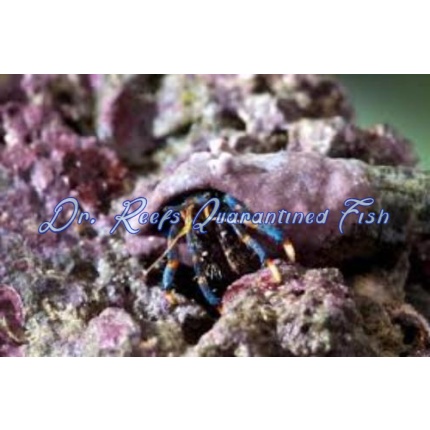
Blue Leg Hermit Crabs
Price range: $19.99 through $74.99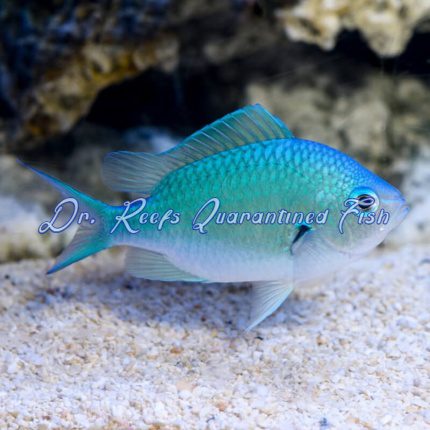
Chromis
Price range: $19.99 through $45.99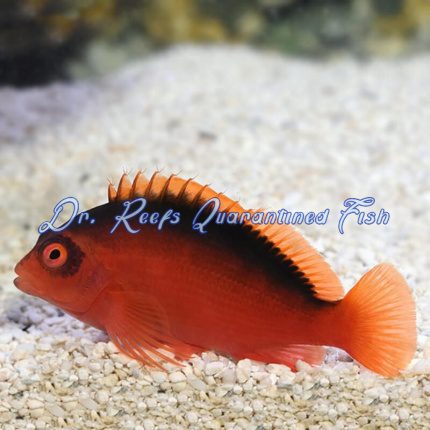
Flame Hawkfish
Price range: $99.99 through $114.99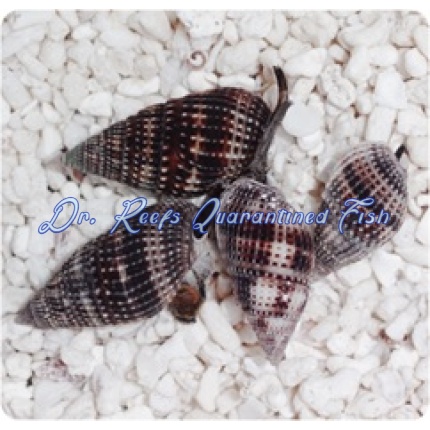
Nassarius Snail Large
Price range: $19.99 through $69.99
Nerite Snail
Price range: $14.99 through $69.99
Pajama Cardinal (Captive Bred)
Price range: $39.99 through $45.99
Reviews
There are no reviews yet.