
Guitar Fish for Sale: Species Overview, Care Requirements, and Aquarium Needs

Guitar Fish for Sale: Species Overview, Care Requirements, and Aquarium Needs
Price: $499.99
If you have ever wanted a fish that makes every single person who walks past your aquarium stop and stare, the Guitar Fish is exactly that animal. Part ray, part shark in appearance, and completely unlike anything else you can keep in a home aquarium, the Guitar Fish is one of the most fascinating and prehistoric-looking creatures in the marine world. At Dr. Reef’s Quarantined Fish, every Guitar Fish is carefully quarantined, conditioned, and eating before it ships to you. Let’s cover everything you need to know about this incredible animal.
What Is a Guitar Fish?
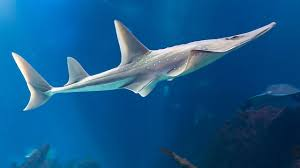
The Guitar Fish, also commonly called the Shovelnose Shark, belongs to the family Rhinobatidae. It is not a true shark and not a true ray, but it sits beautifully in between the two. The body shape is where it gets both of its common names. From above, the flattened body and elongated snout look remarkably like the body of a guitar. The wide, shovel-shaped head gives it the Shovelnose Shark name.
Guitarfish are found in warm, shallow coastal waters around the world, including the Indo-Pacific, the Atlantic, and the Mediterranean. They spend most of their time resting on sandy or muddy bottoms, partially buried, waiting to ambush prey that wanders too close.
In captivity, they are captivating display animals that bring a completely different energy to a large aquarium. They are not fast or aggressive swimmers. They are slow, deliberate, and almost meditative in the way they move and rest. Watching a Guitar Fish glide across the bottom of a large tank is one of the most unique experiences in the saltwater hobby.
At $499.99, this is a specialty animal that deserves a serious setup and a dedicated keeper. Dr. Reef’s Quarantined Fish makes sure every Guitar Fish they offer is in excellent health and ready for aquarium life before it ever ships.
Why Buy From Dr. Reef’s Quarantined Fish?
A Guitar Fish is not a casual purchase. This is a large, specialized animal that requires significant tank space, a specific diet, and careful handling. Buying from a source that does not quarantine is a serious risk with an animal of this size and value.
Here is what Dr. Reef does before your Guitar Fish ships:
- Full quarantine observation to confirm the animal is stress-free and behaving normally
- Proactive treatment for common parasites, including flukes and external pathogens
- Conditioning to accept frozen and prepared foods in an aquarium setting
- Health checks to confirm the animal is swimming, resting, and responding normally
- Only animals that pass all health standards are approved for shipping
A Guitar Fish that arrives sick, refusing food, or stressed from an unquarantined shipment is an extremely difficult animal to nurse back to health. At $499.99, that is not a risk worth taking. Dr. Reef’s process removes that uncertainty and gives you the best possible start with one of the most unique fish you will ever own.
Species Overview
Scientific Name: Rhinobatos productus (Shovelnose Guitarfish) and related Rhinobatidae species
Common Names: Guitar Fish, Shovelnose Shark, Guitarfish, Banjo Shark
Origin: Warm coastal waters of the Indo-Pacific, Eastern Pacific, Atlantic, and Mediterranean regions
Adult Size: Depending on the species, Guitar Fish can reach 3 to 6 feet in length in the wild. Aquarium specimens typically stay smaller with proper management, but you should still plan for a large adult animal.
Lifespan: Guitar Fish can live 10 to 16 years or longer with excellent care. This is a long-term commitment.
Temperament: Peaceful and non-aggressive toward most fish. They are ambush predators that focus on bottom-dwelling prey, not active swimmers.
Activity Level: Low to moderate. They rest on the substrate for long periods and become more active during feeding time or at night.
Aquarium Requirements
This is the most critical section for anyone considering a Guitar Fish. These animals have specific needs that cannot be compromised.
Tank Size
Guitar Fish need a very large aquarium. For a juvenile or smaller specimen, a minimum of 300 gallons is a starting point. For a full-grown adult, 500 gallons or more is necessary. The footprint of the tank matters just as much as the volume. Guitar Fish live on the bottom and need a long, wide tank with a large sandy floor area to move and rest comfortably.
A tall, narrow tank is not appropriate for this species. Think long and wide, not tall.
Substrate
This is non-negotiable. Guitar Fish must have a soft, sandy substrate. They rest directly on the bottom, and hard gravel or bare tank bottoms will cause serious damage to their underside over time. Use fine, soft sand that is at least 3 to 4 inches deep so they can partially bury themselves, which is a natural behavior they engage in regularly.
Water Parameters
- Temperature: 64 to 72 degrees Fahrenheit (they prefer cooler water than many tropical species)
- Salinity: 1.022 to 1.025 specific gravity
- pH: 8.1 to 8.4
- Ammonia and Nitrite: 0 ppm
- Nitrate: Keep as low as possible, ideally under 20 ppm
- Dissolved Oxygen: High levels are important; strong surface agitation is recommended
Important Note on Temperature: Many Shovelnose Guitarfish species come from cooler Pacific coastal waters. Keeping them too warm over a long period causes chronic stress and shortens their lifespan. Make sure your chiller is set appropriately for the species you are keeping.
Filtration
Guitar Fish are heavy waste producers. A powerful filtration system is absolutely required. Oversized biological filtration, mechanical filtration, and a high-quality protein skimmer are all necessary. Plan your filtration for a tank at least double the actual volume to account for the bioload these animals produce.
Regular water changes are also essential. Weekly partial water changes of 15 to 20 percent help keep nitrates manageable.
Water Flow
Moderate water flow throughout the tank is ideal. Avoid placing powerheads or flow outlets directly aimed at the resting areas of the sand bed, as Guitar Fish prefer calmer zones to rest in. Create a flow pattern that keeps the water oxygenated without blasting the animal constantly.
Lighting
Standard marine aquarium lighting is fine. Guitar Fish are not particularly sensitive to light intensity, but they are naturally more active in low-light conditions and at night. A gentle day-night light cycle keeps them comfortable and encourages natural behavior.
Tank Cover
Guitar Fish are surprisingly capable of moving quickly when startled. A secure tank cover or lid is important to prevent any accidental jumps during rare moments of excitement or stress.
Guitar Fish Diet and Feeding Tips
In the wild, Guitar Fish are ambush predators. They bury themselves in sand and wait for fish, crustaceans, mollusks, and worms to pass close enough to strike. In captivity, replicating a similar diet keeps them healthy and thriving.
What to Feed
- Whole frozen shrimp (shell on or off, both work well)
- Frozen squid
- Fresh or frozen clam meat
- Silversides (frozen whole fish)
- Krill
- Chopped mussel or crab meat
- Frozen fish fillets like tilapia or whitefish
Feeding Schedule
Feed your Guitar Fish two to three times per week. They do not need daily feeding like smaller, faster fish. Overfeeding leads to excess waste and dangerous nitrate spikes in the tank. Watch the animal’s body condition. A healthy Guitar Fish should have a slightly rounded, well-fed appearance without looking bloated.
How to Feed
Because Guitar Fish are bottom feeders, the best method is to use feeding tongs or a long feeding stick to place food directly in front of them on the sand bed. Drop food near the snout area, and they will sense it and strike. They have excellent electroreceptors in their snout that help them detect prey even in sand, so they will find food placed nearby even if it is not directly in front of them.
Dr. Reef Advantage: Guitar Fish from Dr. Reef’s Quarantined Fish are already conditioned to accept frozen foods before they ship. This is a major benefit because newly imported Guitar Fish can sometimes refuse food for weeks while adjusting to captivity. Dr. Reef eliminates that stressful adjustment period for you.
Aquarium Compatibility
Guitar Fish have a specific compatibility profile that you need to understand before adding tank mates.
Compatible Tank Mates
Guitar Fish are peaceful toward fish that are too large to eat. Good companions include:
- Large Groupers
- Large Angelfish
- Large Wrasses
- Tangs and Surgeonfish
- Large Triggerfish (with monitoring)
- Lionfish (with caution)
- Large Pufferfish
The general rule is simple. If a fish can fit in the Guitar Fish’s mouth, it is a potential meal. Guitar Fish are not aggressive hunters that chase prey, but if a small fish wanders near their snout while they are resting, it may not survive the encounter.
Do Not House With:
- Small fish of any species (Damsels, Gobies, small Clownfish, small Wrasses)
- Ornamental shrimp, crabs, or small invertebrates
- Other bottom-dwelling predators that may compete for the same space
- Stingrays in tanks without sufficient space for both animals
Reef Compatibility
Guitar Fish are not reef-safe. They will consume invertebrates, and corals are likely to be physically damaged simply by the animal moving across and resting on them. They belong in a large, spacious FOWLR setup with a clean, open sand bed as the centerpiece of the aquarium.
Common Health Issues and Prevention
Guitar Fish are susceptible to several health concerns that all responsible keepers should understand.
Abrasion and Bottom Injuries: One of the most common problems in captivity. A rough substrate, sharp rocks near the sand bed, or a tank that is too small can cause physical damage to the underside of the animal. Soft, deep sand and a properly sized tank are the best prevention.
Parasites (Flukes and Skin Parasites): Like most elasmobranchs (sharks and rays), Guitar Fish can carry external parasites. At Dr. Reef’s Quarantined Fish, every animal is treated before shipping, which dramatically reduces this risk.
Respiratory Issues: Poor water quality, low dissolved oxygen, or incorrect temperature can cause labored breathing and chronic stress. Strong surface agitation and a proper chiller are critical.
Nutritional Deficiencies: Guitar Fish fed only one type of food can develop deficiencies over time. Rotating between shrimp, squid, clam, and fish creates a balanced diet and prevents long-term health problems.
Stress-Related Illness: Guitar Fish are sensitive to sudden changes in water parameters, temperature swings, and overcrowded or inappropriate tank conditions. Stability and space are the two most important factors in keeping these animals healthy long-term.
Preparing Your Tank Before Your Guitar Fish Arrives
Getting your setup right before the animal arrives is the key to a smooth transition.
- Confirm tank size is appropriate and sand bed is in place (fine sand, 3 to 4 inches deep)
- Verify all water parameters are stable and within the correct range
- Make sure the temperature is set correctly, cooler than a typical tropical reef
- Test your filtration and skimmer to confirm everything is running at full capacity
- Have frozen shrimp or silversides ready for the first feeding attempt after acclimation
- Use the drip acclimation method carefully over 45 to 60 minutes
- Dim the lights and keep the room quiet for the first several hours after the introduction
- Avoid adding other new animals at the same time
Because Dr. Reef’s Guitar Fish are already quarantined and treated, you do not need to run a separate hospital tank protocol. The hard work has already been done.
Frequently Asked Questions
Is a Guitar Fish the same as a shark? Not exactly. Guitar Fish are closely related to both sharks and rays. They are classified as elasmobranchs, just like sharks, but they are their own distinct group within that family. They look like a combination of a shark and a ray.
Can a Guitar Fish hurt me? Guitar Fish do not have venom and are not aggressive toward humans. However, they are large, powerful animals and can bite if mishandled. Always use care when working in the tank.
How big will my Guitar Fish get? This depends on the species and care. Many aquarium specimens reach 2 to 4 feet in captivity. Some species can grow larger. Always research the specific species you are purchasing.
Is this a good fish for beginners? No. Guitar Fish requires a very large tank, specific water parameters, a soft sand substrate, heavy filtration, and a diet of whole prey items. They are best suited for experienced aquarists who have the space and resources to meet their needs properly.
Why does the Guitar Fish cost $499.99? The price reflects the rarity of the animal, the significant care involved in the quarantine and conditioning process, the cost of shipping a large and delicate elasmobranch safely, and the guarantee of receiving a healthy, eating, and properly treated animal. You are investing in a truly one-of-a-kind aquarium centerpiece.
Does Dr. Reef’s offers a live arrival guarantee?
Yes. Dr. Reef’s Quarantined Fish stands behind every animal they ship. Visit the website for current guarantee and shipping policy details.
Final Thoughts
The Guitar Fish, or Shovelnose Shark, is one of the most extraordinary animals you can keep in a home aquarium. It is prehistoric in appearance, peaceful in temperament, and absolutely mesmerizing to watch. It is not an animal for everyone, and it is not an animal for a small tank. But for the dedicated aquarist with the right setup, it is a centerpiece animal unlike anything else in the hobby.
At $499.99, a fully quarantined, conditioned, and healthy Guitar Fish from Dr. Reef’s Quarantined Fish is one of the most rewarding investments you can make in your aquarium journey. Dr. Reef’s commitment to fish health, honest care requirements, and genuine customer support make them the right source for a specialty animal of this caliber.
Check availability today at Dr. Reef’s Quarantined Fish. Animals like this do not stay in stock for long.