
Coral Catshark

Coral Catshark for Sale: Tank Size, Diet, and Buying Guide for Aquarists
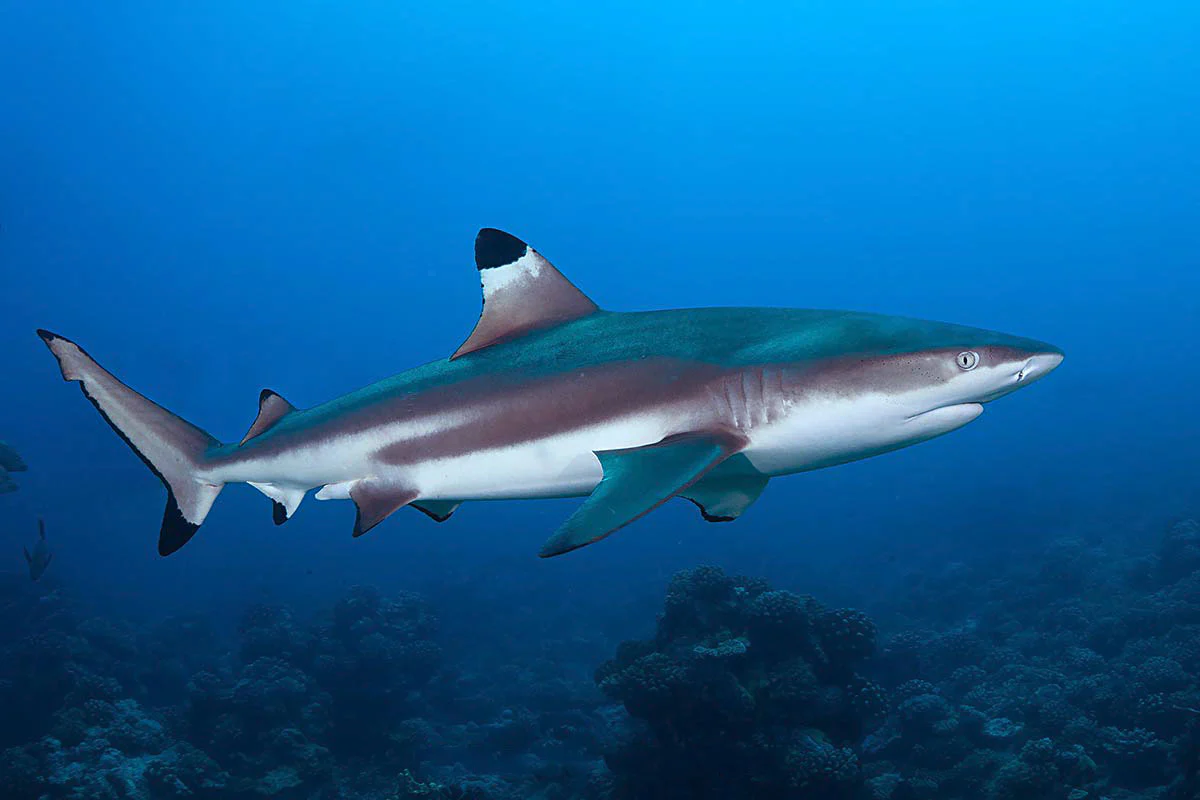
The Coral Catshark (Atelomycterus marmoratus) is one of the few shark species genuinely suited to home aquarium keeping. Small enough to be manageable, hardy enough to adapt to captive life, and visually striking with its marbled cream and dark brown patterning, it is an extraordinary centerpiece animal for the right keeper. But this is not a beginner fish, and preparation before purchase is substantial. When you are ready, sourcing from Dr. Reef’s Quarantined Fish is the only responsible place to start.
Species Overview
Native to the Indo-Pacific, the Coral Catshark inhabits shallow coral reefs, rocky substrates, and sandy lagoons across a range stretching from Pakistan through Southeast Asia to northern Australia. Adults reach 27 to 30 inches in total length, making this one of the smallest shark species available in the hobby and one of the few for which a dedicated home aquarium is a realistic long-term proposition. It is a nocturnal bottom dweller by nature, spending daylight hours sheltering in crevices and becoming more active after dark to hunt small fish, crustaceans, and worms.
Tank Size and Setup
A minimum of 180 gallons is the starting point for a single adult, and the tank footprint matters as much as volume. A long, wide system of at least 6 feet in length gives the shark the horizontal space it needs to move naturally. Tall, narrow tanks of equivalent volume are not suitable. A deep sand bed of fine aragonite at 3 to 4 inches depth prevents abrasion injuries, and stable, secured rockwork providing caves and overhangs is essential for the shark’s behavioral wellbeing. All pump intakes must be covered with fine mesh guards without exception.
Water Quality
Coral Catsharks are more sensitive to water quality than most bony fish. Ammonia and nitrite must remain at zero permanently, nitrate should stay below 20 ppm, and dissolved oxygen levels need to be consistently high. A sump-based system with a quality protein skimmer, strong biological filtration, and regular water changes is the baseline requirement. Salinity of 1.023 to 1.025, temperature of 72 to 78 degrees Fahrenheit, and pH of 8.1 to 8.3 should remain stable at all times.
Feeding
A varied diet of marine proteins including silversides, squid, shrimp, and scallop fed via tongs or a feeding stick produces the best long-term health outcomes. Feed juveniles every two to three days and adults two to three times per week. Overfeeding stresses filtration and can cause fatty liver disease over time. Confirming that a specimen is already accepting frozen prepared foods before purchase is critical, and this is precisely what Dr. Reef’s Quarantined Fish verifies during the quarantine process. No Coral Catshark leaves Dr. Reef’s until consistent, reliable feeding on appropriate foods has been established.
Why Dr. Reef’s Quarantined Fish
Elasmobranchs are uniquely vulnerable to bacterial infections and external parasites, and critically, copper-based treatments standard for most marine fish are toxic to sharks. This makes prevention through proper quarantine far more valuable than treatment after the fact. At Dr. Reef’s Quarantined Fish, every Coral Catshark completes a structured quarantine period covering feeding response, behavioral stability, and physical condition before being offered for sale. The transparency provided about each specimen’s quarantine history gives buyers a level of confidence no unquarantined source can match.
For serious aquarists ready to commit to the tank size, filtration, and long-term care this species deserves, the Coral Catshark is one of the most rewarding fish in the hobby. Start that journey the right way, with a healthy, quarantined specimen from Dr. Reef’s Quarantined Fish.