
Blue Hermit Crabs for Sale: Reef Safe or Not?

Blue Hermit Crabs for Sale: Reef Safe or Not?
Have you ever stared at your reef tank and felt like something was missing? A lot of reef keepers feel that way until they spot a tiny blue hermit crab marching across the sandbed like it owns the whole ocean floor. These little creatures are colorful, busy, and surprisingly useful. But the question every reef keeper eventually asks is this. Are blue hermit crabs actually reef safe?
What Are Blue Hermit Crabs?
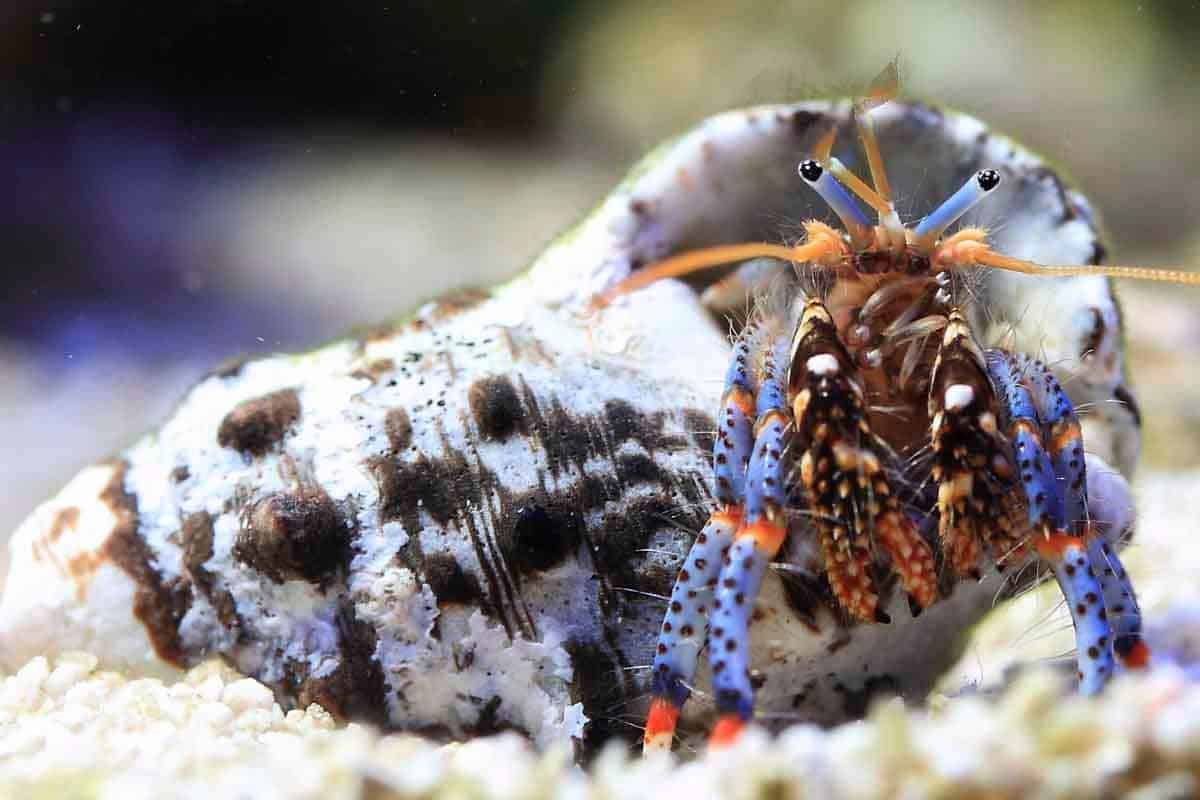
Blue hermit crabs, commonly called blue leg hermit crabs, are small saltwater invertebrates that carry shells on their backs. Their bright blue legs make them easy to spot even in a busy reef tank. They are one of the most popular cleanup crew members in the saltwater hobby because they are affordable, tough, and always active.
Dr. Reef’s Quarantined Fish carries healthy, professionally conditioned blue leg hermit crabs that arrive ready for your display tank without carrying hidden hitchhikers along.
How Much Do Blue Leg Hermit Crabs Cost at Dr. Reef’s?
Blue leg hermit crabs at Dr. Reef’s Quarantined Fish are available starting at $19.99 and go up to $74.99 depending on the quantity pack you choose. This pricing reflects professionally quarantined animals, not wild caught crabs pulled straight from a holding tank. You are paying for animals that have been screened, observed, and conditioned before they ever ship to your door. Compared to the cost of losing an established reef to a disease outbreak from unquarantined livestock, this is one of the smartest investments a reef keeper can make.
These crabs are listed under the Inverts and Crabs categories on Dr. Reef’s website and carry a 5 out of 5 star customer rating. That rating speaks for itself.
Where Do Blue Hermit Crabs Come From?
Blue leg hermit crabs are native to the warm, shallow waters of the Caribbean and the Gulf of Mexico. They naturally live in sandy flats and rocky reef zones where algae and detritus are plentiful. This natural environment tells you exactly what they need in your tank. Warm stable water, a sandy bottom, and plenty of natural food sources keep them thriving for years.
Are Blue Hermit Crabs Reef Safe?
Here is the honest answer. They are mostly reef safe with just a few things to watch.
Blue hermit crabs love to eat algae, leftover food, and detritus. That makes them excellent janitors for your sandbed and rockwork. They are small enough that corals, clams, and most other invertebrates are left alone. However, they do have one known habit worth knowing about. They will sometimes knock over frags or small corals while searching for food or a new shell to move into. This is not aggression. It is pure curiosity.
Do Blue Hermit Crabs Eat Corals?
This is one of the most searched questions about this species and the answer is reassuring. Blue hermit crabs are not coral eaters. They are scavengers by nature. As long as your tank has enough algae, detritus, and leftover food, your corals have nothing to worry about. The only situation where a hermit crab might pick at a soft coral is in an extremely underfed tank where food options run completely dry. A well fed tank solves this entirely.
Will Blue Hermit Crabs Bother Other Invertebrates?
They are generally peaceful toward other tank residents. Shrimp, snails, and other cleanup crew members coexist well with blue leg hermit crabs in most reef setups. The one area to watch is snails. A hermit crab searching for a new shell may occasionally hassle a snail to try to claim its home. Keeping a supply of extra empty shells in your tank removes this problem completely and keeps everyone living peacefully.
The Shell Problem and How to Solve It
This is the single most important care tip for blue hermit crabs. They fight over shells. When a hermit crab outgrows its current shell and cannot find a replacement, it becomes stressed and disruptive. Always keep a small collection of empty shells in various sizes inside your tank. A comfortable hermit crab with plenty of shell options is your best cleanup crew member. A shell deprived one causes unnecessary drama in the tank.
Benefits of Adding Blue Hermit Crabs to Your Reef Tank
These crabs work around the clock and never ask for a day off. Here is what they bring to your reef every single day.
They stir the sandbed constantly and prevent dangerous dead spots that cause hydrogen sulfide buildup and foul smells. They eat hair algae before it has a chance to spread and take over your rockwork. They consume uneaten fish food before it breaks down and spikes your nutrients. They are budget friendly compared to most other cleanup crew options. And honestly, they are just plain fun to watch move around the tank.
How Many Blue Hermit Crabs Do You Need?
A widely used rule in the reef hobby is one to two blue hermit crabs per gallon of display tank water. That said, this depends heavily on your bioload and how much algae and detritus your tank produces naturally. A heavily stocked tank with lots of fish will benefit from more. A lightly stocked, pristine tank may need fewer. Start with a reasonable number, observe how clean your sandbed stays, and adjust from there.
Blue Hermit Crabs vs Other Cleanup Crew Members
How do blue leg hermit crabs compare to other popular cleanup crew choices?
Compared to scarlet reef hermit crabs, blue legs tend to be slightly more active and spend more time on the sandbed. Both species are reef safe and work very well together. Compared to nassarius snails, hermit crabs cover more overall territory but do less deep sandbed sifting. The ideal cleanup crew uses a mix of species so every area of the tank gets proper attention. Blue hermit crabs are a strong, affordable foundation for any cleanup crew combination.
Why Quarantined Blue Hermit Crabs Are Worth the Price
Wild caught invertebrates can carry parasites, flatworms, bacterial infections, and nuisance hitchhiker organisms that spread quickly through a display tank. Most fish stores skip quarantine for invertebrates entirely because the process takes time and resources. That shortcut introduces real risk into your reef.
Dr. Reef’s Quarantined Fish does things differently. Every cleanup crew member, including blue leg hermit crabs, goes through a professional quarantine and observation period before shipping. The $19.99 to $74.99 price range reflects that level of care and protection. You are not just buying a crab. You are buying peace of mind for your entire reef system.
Frequently Asked Questions About Blue Hermit Crabs
Q: Will blue hermit crabs eat my corals? A: Not under normal conditions. They are scavengers, not coral predators. A well fed tank keeps them completely focused on cleanup duty.
Q: How many blue hermit crabs do I need for my tank? A: One to two per gallon is a solid starting point. Adjust based on your fish load and how much algae your tank produces naturally.
Q: Can I mix blue hermit crabs with other hermit crab species? A: Yes. They coexist well with scarlet reef hermit crabs and most other small reef safe hermit crab species.
Q: Do I need to feed blue hermit crabs separately? A: Usually not. An established reef tank provides plenty of natural food. You can offer dried seaweed sheets or algae wafers as an occasional supplement if your tank runs very clean.
Q: Why should I buy from Dr. Reef’s Quarantined Fish? A: Every animal at Dr. Reef’s Quarantined Fish has been professionally quarantined, observed, and conditioned before shipping. Their blue leg hermit crabs carry a perfect 5 out of 5 star rating from real customers who trust the process.
Final Takeaways on Blue Hermit Crabs
Blue hermit crabs are one of the smartest, most cost effective additions to any reef tank cleanup crew. They are full of personality, hardworking, and reef safe when their basic needs are met. Keep extra shells available, maintain stable water quality, and source your crabs from a trusted quarantine supplier.
Dr. Reef’s Quarantined Fish blue leg hermit crabs are priced from $19.99 to $74.99, come with a perfect 5 star customer rating, and ship professionally quarantined and ready to work. It is one of the best value investments you can make for the long term health of your reef.