
Brittle Star for Sale: Benefits and Risks in Reef Tanks

Brittle Star for Sale: Benefits and Risks in Reef Tanks
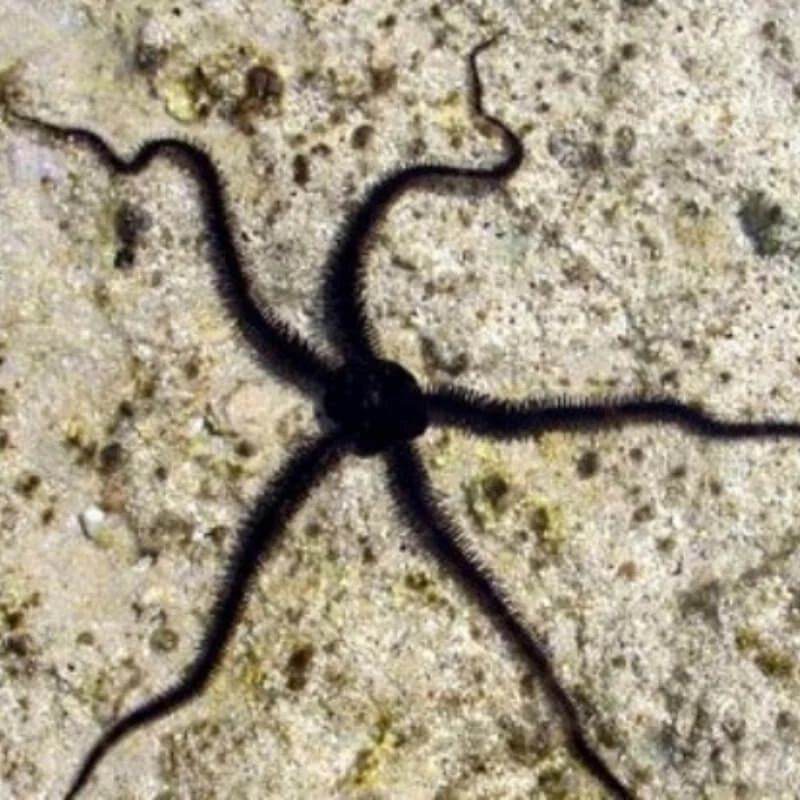
If you have never watched a brittle star glide silently across your tank glass in the middle of the night, you are missing one of the most fascinating moments in the reef hobby. These strange, flexible armed creatures look like they crawled straight out of a deep sea documentary. But inside your reef, they are hard working, greatly misunderstood, and surprisingly beneficial to the overall health of your system.
So should you add one? Let’s walk through everything you need to know.
What Is a Brittle Star?
A brittle star is a type of echinoderm, placing it in the same biological family as sea stars and sea urchins. Unlike sea stars, brittle stars move using fast, snaking arm motions that make them look almost alien in their movement style. Most species hide deep inside rockwork during the day and come out at night to scavenge the sandbed and rock surfaces for food.
Dr. Reef’s Quarantined Fish offers healthy, professionally conditioned brittle sea stars ready to ship directly to your display tank.
How Much Does a Brittle Sea Star Cost at Dr. Reef’s?
The Brittle Sea Star at Dr. Reef’s Quarantined Fish is priced at $19.99. For a professionally quarantined, healthy invertebrate that actively contributes to your reef’s cleanliness every single night, this is exceptional value. Wild caught brittle stars from unscreened sources risk introducing parasites and bacterial issues that can cost you far more than $19.99 to treat and recover from. The small premium for a quarantined animal protects your entire investment.
Different Types of Brittle Stars for Reef Tanks
Not all brittle stars are created equal and knowing the difference before you buy protects your reef and your wallet.
The most consistently reef safe options include banded serpent stars, fancy brittle stars, and small black brittle stars. These species are peaceful, nocturnal scavengers that stay hidden during the day and cause zero problems in a well established reef.
The green serpent star is the species that generates the most mixed opinions. Juvenile green serpent stars are peaceful. Large, fully grown adults have a documented history of catching and consuming small or sleeping fish at night. This is not common but it is real and it is worth understanding before you make a purchase decision.
Benefits of Brittle Stars in Reef Tanks
Brittle stars bring a completely unique set of benefits that most other cleanup crew members simply cannot match.
Their flexible arms reach deep inside rock crevices, cave openings, and narrow passages where trapped food debris decays and drives up your nutrients. No other cleanup animal covers this territory as effectively as a brittle star. They scavenge leftover fish food, detritus, dead tissue, and decaying organic matter before it breaks down into ammonia and nitrates.
Some burrowing species also work actively through the sandbed, keeping it aerated and preventing the formation of dangerous anaerobic pockets that produce toxic hydrogen sulfide gas. A healthy, biotically active sandbed is one of the most important foundations of a stable, long running reef system.
Are Brittle Stars Reef Safe With Corals?
Yes, completely. Brittle stars are not coral eaters. Their diet is entirely scavenger based and they have absolutely no interest in healthy coral tissue. They may occasionally brush against a coral while moving across rockwork during their nighttime rounds but they do not graze on, sting, or damage coral polyps in any way.
Soft corals, LPS corals, and SPS corals all coexist safely with brittle stars. This is one of the main reasons serious reef keepers love having them in mature, high value systems.
Are Brittle Stars Safe With Fish?
For most fish, yes. Reef safe brittle star species pose no meaningful threat to healthy, actively swimming fish. The important exception worth repeating is the large green serpent star. A well fed, small or medium sized green serpent star is generally fine in a community reef. A large, underfed green serpent star may begin targeting small, slow, or sleeping fish during nighttime activity. If you want complete peace of mind, choose banded serpent stars or other smaller confirmed reef safe species.
Are Brittle Stars Safe With Shrimp and Invertebrates?
Generally yes. Brittle stars are not known to bother cleaner shrimp, peppermint shrimp, crabs, or other invertebrates. They are focused on scavenging organic matter, not hunting living tank inhabitants. A well fed brittle star in a healthy reef is a cooperative and completely peaceful cleanup crew member.
Risks of Adding a Brittle Star to Your Reef Tank
The risks with brittle stars are manageable when you know what to look out for.
Species identification is the single biggest risk factor. Buying from a source that does not clearly identify what species they are selling creates problems you cannot easily fix later. Copper based medications instantly kill brittle stars and all other invertebrates. Any system recently treated with copper is not safe for inverts of any kind. Dramatic temperature swings and ammonia spikes also stress brittle stars, sometimes causing arm loss, though they do regenerate lost arms reliably over time.
How to Care for a Brittle Star
Brittle stars are genuinely low maintenance once they are settled into an established system. They need stable water parameters, a well developed rockwork structure with plenty of hiding spots, and consistent access to food sources. In a mature, well stocked reef they find everything they need without any extra effort on your part.
Target feeding with small pieces of meaty food like mysis shrimp, silversides, or krill once or twice a week keeps them thriving and content. A regularly fed brittle star stays happily in its rock territory. A hungry one begins wandering into areas it probably should not explore.
Never use copper in any system housing brittle stars. This is a firm rule with zero exceptions.
How Many Brittle Stars Should You Keep?
One to two brittle stars per tank works well for most standard reef setups. Too many will compete aggressively with each other for limited food sources. In a very large system of 200 gallons or more, three to four may coexist comfortably. Start with one, observe how actively it feeds and how visible it becomes during nighttime hours, and add a second only if your tank’s cleanup demands call for it.
Why Quarantined Brittle Stars Are Worth Every Dollar
Wild caught brittle stars can carry flatworms, parasitic copepods, bacterial infections, and unwanted hitchhiker organisms on their arms and body disc. Most livestock suppliers skip invertebrate quarantine entirely because the process takes time and cuts into margins. That shortcut introduces direct risk into your display tank.
Dr. Reef’s Quarantined Fish screens every brittle sea star before it ships. At $19.99, you are getting a clean, healthy, professionally conditioned animal that protects rather than threatens your reef ecosystem. That is a remarkable value for the level of care behind it.
Frequently Asked Questions About Brittle Stars
Q: Will a brittle star eat my corals? A: No. Brittle stars are pure scavengers with no interest in healthy coral tissue whatsoever.
Q: Are brittle stars safe with cleaner shrimp? A: Yes. They generally ignore shrimp and other healthy invertebrates completely.
Q: How do I know if my brittle star is healthy? A: Look for active arm movement, a full rounded center disc, and normal scavenging behavior at night. Limp, curled, or shed arms can signal poor water quality or stress.
Q: Can brittle stars regrow lost arms? A: Yes. They are remarkable regenerators and will regrow lost arms over several weeks given good water conditions and consistent nutrition.
Q: How long do brittle stars live in reef tanks? A: With stable water quality and proper care, brittle stars can live for many years in a well maintained home reef system.
Q: Why does quarantine matter for brittle stars? A: Wild caught invertebrates frequently carry parasites and pathogens. Dr. Reef’s professional quarantine process ensures your display tank stays protected from day one.
Fish Care Tips to Remember
Brittle stars are one of the most underrated and underused members of the reef tank cleanup crew. They work in areas no other animal reaches, they clean throughout the night without any supervision, and they ask for almost nothing in return. At $19.99 from Dr. Reef’s Quarantined Fish, they are also one of the best value purchases in the entire hobby.
Choose the right species, buy quarantined, give them a stable environment, and they will quietly improve your reef health every single night for years to come.