

Diamond Goby Care Guide: The Best Sand Sifter for Marine Aquariums

Diamond Goby Care Guide: The Best Sand Sifter for Marine Aquariums
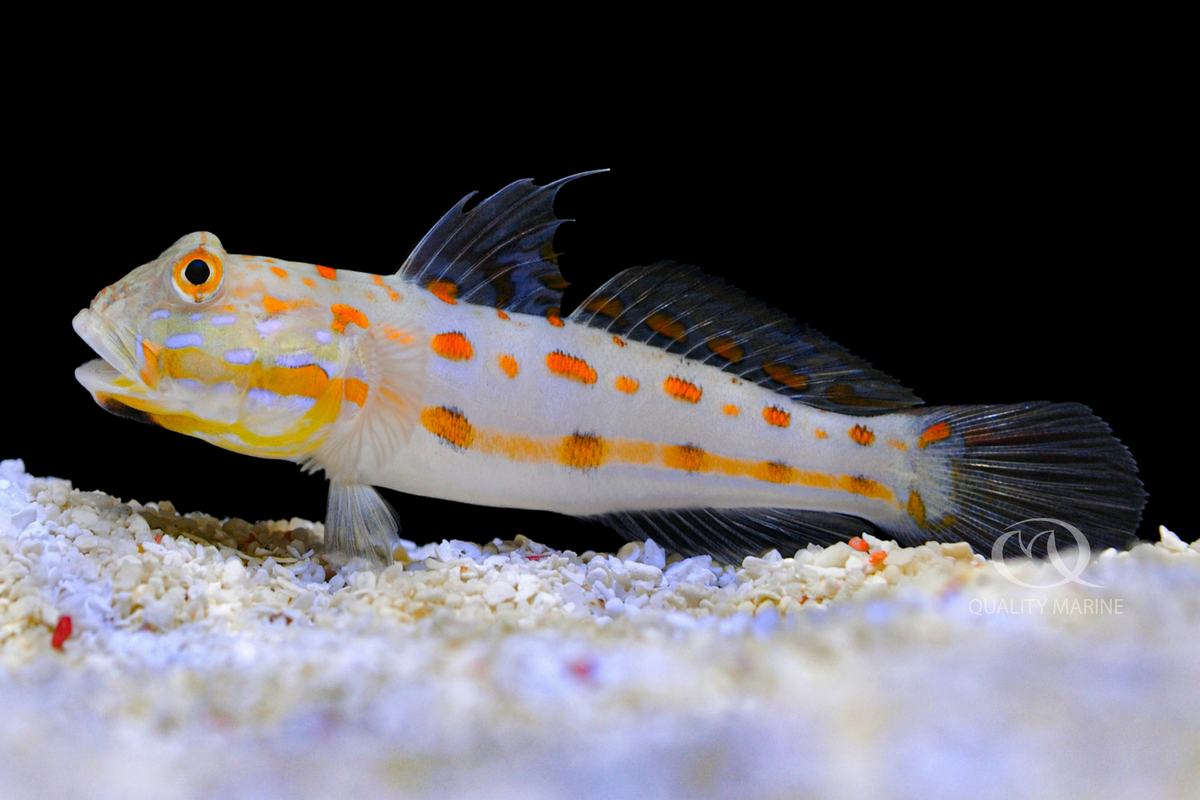
This white and orange spotted goby spends its day burrowing through sand, and in the process it does more for your tank’s cleanliness than almost any piece of equipment you could buy
A clean sand bed is one of those things reef keepers chase constantly, usually with gadgets, extra flow, or a stricter feeding schedule. The Diamond Goby solves the same problem with nothing but its own natural behavior. This fish spends nearly all day sifting through sand, mouthful by mouthful, filtering out food particles and leaving the substrate visibly cleaner in the process. If detritus buildup or a dirty-looking sand bed has been bothering you, this is one of the most functional fish you can add.
Meet the Diamond Goby
Known scientifically as Valenciennea puellaris, the Diamond Goby also goes by several other names in the hobby, including Diamond Watchman Goby, Orange-Spotted Sleeper Goby, Maiden Goby, and Pretty Prawn Goby. Its white body dotted with orange or yellow markings makes it easy to spot even as it works its way across the substrate. Dr. Reef’s Quarantined Fish carries this species with the same full quarantine process given to every fish in the collection.
Why This Fish Is Considered the Best Sand Sifter in the Hobby
Plenty of fish sift sand occasionally. The Diamond Goby does it constantly. It spends most of its waking hours scooping mouthfuls of substrate, filtering out tiny invertebrates, microfauna, and organic particles, then spitting the cleaned sand back out. Over time, that repetitive behavior noticeably reduces detritus buildup and keeps the sand bed aerated in a way that passive filtration simply cannot replicate. For hobbyists dealing with a sand bed that looks perpetually dirty despite regular maintenance, this is often the fix.
Natural Habitat
Diamond Gobies are native to the Indo-Pacific, where they are typically found across sandy lagoons, reef flats, and open sandy bottoms near coral structures. In the wild, they burrow into the sand both to feed and to find shelter, a dual purpose that shapes exactly what kind of setup they need in captivity.
Tank Requirements
A fine sand substrate at least 2.5 to 3 inches deep is essential, giving the fish enough material to burrow and sift through naturally. Pair that with open sandy bottom space and scattered rockwork for shelter, but avoid overly compact or precarious rock structures, since a burrowing fish working underneath unstable rock can cause a collapse. Gentle to moderate water flow with stable filtration rounds out the setup requirements, and beyond that, this species does not ask for anything unusual.
Most gobies, including this one, are capable jumpers, so a secure lid matters just as much here as it does with any other goby species in your tank.
Feeding
Diamond Gobies are carnivorous sand sifters that feed on tiny invertebrates, microfauna, and organic particles they filter directly out of the substrate. That means they need a diet that mimics this natural feeding behavior rather than relying solely on food dropped into open water. Supplemental sinking foods, meaty frozen options, and a well-established sand bed with a healthy population of microfauna all support this fish’s actual nutritional needs.
Temperament and Tankmates
This species is peaceful and shy, generally avoiding conflict with tankmates and preferring to keep its head down, quite literally, in the sand. A single Diamond Goby works well in most setups, and bonded pairs are also an option, though keeping multiple unrelated individuals in a limited space often leads to territorial conflict. If you are considering another sand-sifting species to pair alongside it, the Links Sleeper Goby shares a similar foraging style and peaceful temperament, though tank size and existing stock should be checked carefully first.
Sourcing and Acclimation
A properly quarantined Diamond Goby arrives already conditioned to accept prepared foods, which matters for a fish whose natural diet depends so heavily on constant, small meals filtered from the substrate. Once your goby arrives, take the introduction slowly and follow a proper drip acclimation process to reduce stress during the transition into a new tank.
Before adding this or any other bottom-dwelling species to an established system, it is worth reviewing The Complete Saltwater Fish Compatibility Guide to confirm your existing stock will not compete aggressively for the same substrate territory.
Pricing
The Diamond Goby is typically priced between $99.99 and $129.99 depending on size and current availability, placing it in the mid-range compared to other functional, purpose-driven gobies in the hobby.
Final Thoughts on Choosing the Diamond Goby for Your Tank
Few fish combine visual appeal with genuine tank maintenance the way the Diamond Goby does. It stays peaceful, works constantly at keeping your sand bed clean, and asks for nothing more exotic than a deep, fine substrate and a stable environment. For hobbyists who want a fish that earns its place through function as much as looks, this species is consistently one of the best sand sifters available in the marine aquarium trade.