
Achilles Tang for Sale: Care Guide, Tank Requirements, and Buying Tips

Achilles Tang for Sale: Care Guide, Tank Requirements, and Buying Tips
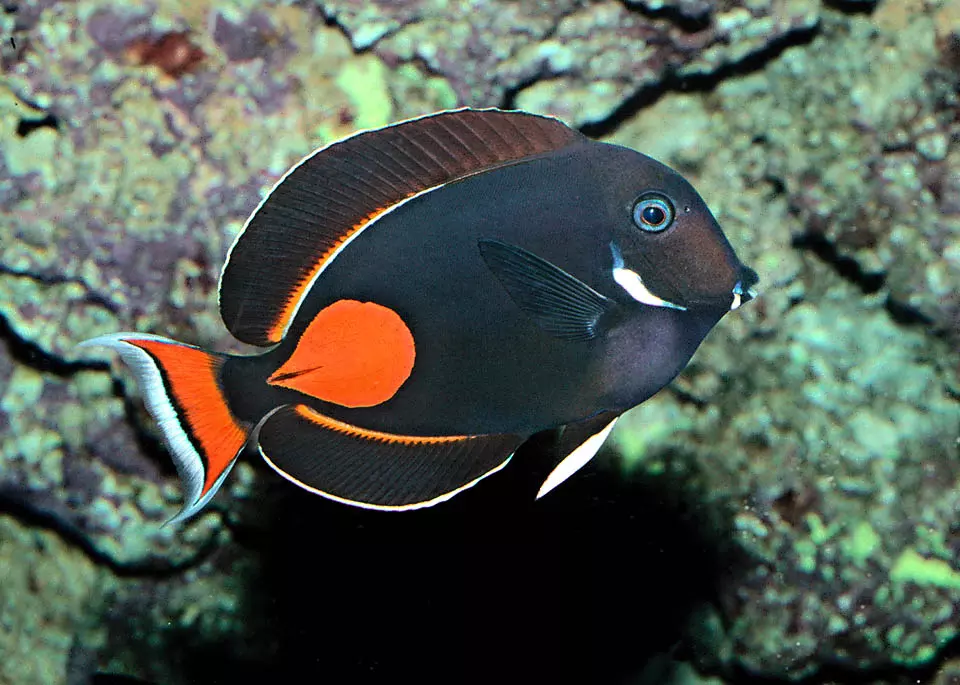
The Achilles Tang is often called the crown jewel of the surgeonfish world. Its jet black body, glowing orange teardrop marking, and streaks of electric blue make it one of the most striking fish you can add to a reef tank. It is also one of the more demanding species out there, so it pays to know exactly what you are getting into before you buy one.
Why This Fish Has Such a Strong Reputation
Acanthurus achilles comes from wave-battered reefs across the Pacific, especially around Hawaii and Polynesia. In the wild, it lives in constant, high-energy water movement, which shapes almost everything about how it needs to be kept at home. Hobbyists love it for its speed and bold personality once it settles in, but that same background is why it has a reputation for being tricky for beginners.
Quarantined specimens, like those available at Dr. Reef’s Quarantined Fish, tend to arrive far more stable than fish pulled straight from a crowded wholesale tank, which matters a great deal with a species this sensitive.
Tank Size and Water Flow
This is not a fish for a small or newly set up tank. Achilles Tangs need a minimum of 125 gallons, with 180 gallons or more strongly recommended once the fish reaches adult size of 8 to 10 inches. Just as important as the size is the water movement inside it.
- Strong, high-flow water movement from gyre pumps or wave makers
- Large open swimming space rather than a tank crowded with rockwork
- Oxygen-rich, well-established water with stable parameters
- A mature system rather than a tank still cycling or settling in
Skipping the flow requirement is one of the fastest ways to see this fish decline. It needs to feel like it is still swimming against a current, even in a home aquarium.
Water Parameters That Matter Most
Keep temperature between 74 and 80°F, salinity around 1.023 to 1.025, and pH between 8.1 and 8.4. Ammonia and nitrite should read zero, and nitrate should stay under 10 ppm. None of these numbers are unusual for a reef tank, but Achilles Tangs are far less forgiving of swings than many other species, so consistency matters more than precision.
Feeding an Achilles Tang
These fish graze almost nonstop in the wild, so feeding needs to mimic that pattern rather than one or two big meals a day.
- Offer nori sheets daily, ideally clipped so the fish can graze at will
- Add spirulina-based pellets for variety
- Include vitamin-soaked frozen foods to support immune health
- Feed two to three times per day in smaller portions
A tang that stops grazing and starts hiding is usually telling you something is wrong, either with water quality or with a lack of consistent food access.
Compatibility With Other Fish
Achilles Tangs get along fine with peaceful community fish like wrasses, anthias, gobies, and blennies. Where they run into trouble is with other surgeonfish, especially Powder Blue, Powder Brown, or Goldrim tangs, since similar body shapes tend to trigger territorial behavior. Checking the compatibility chart before adding this fish to an existing tank is worth the few minutes it takes, particularly if you already keep other tangs.
Why Quarantine Is Not Optional Here
Achilles Tangs are known for being disease-prone and slow to recover once stressed. A fish that skips quarantine and arrives already carrying parasites has a much harder road ahead. Following a real quarantine protocol before the fish ever ships gives it a genuine head start, and it shows in how quickly a specimen starts eating once it reaches your tank.
Acclimating Your New Achilles Tang
Once the fish arrives, float the bag to equalize temperature, keep the lights dim for the first several hours, and give the fish immediate access to nori and hiding spots. Following a full acclimation guide step by step reduces the shock of sudden shifts in salinity or temperature, which this species handles worse than most.
What to Expect on Price
Achilles Tangs currently range from $549.99 to $649.99 depending on size, with large and extra large options available. Orders over $500 get discounted shipping, and orders over $750 ship free, all backed by a live arrival guarantee.
Ready to Take on This Centerpiece Fish?
If your tank has the space, the flow, and the stability this species demands, an Achilles Tang can be one of the most rewarding fish you ever keep. Check current availability in the shop, or browse the FAQ page if you still have questions about shipping and guarantees before you commit.