
Copper Treatment vs Tank Transfer Method: Which Protects Fish Better?

Copper Treatment vs Tank Transfer Method: Which Protects Fish Better?
Ask a room full of experienced reef keepers how they quarantine new fish, and you will likely hear two very different answers. Some swear by copper based medication. Others insist the Tank Transfer Method, often shortened to TTM, is the safer route. Both approaches aim for the same result: a fish free of parasites before it ever reaches a display tank. But they get there in very different ways.
Here is an honest look at how each method works, and why the choice matters more than most new hobbyists realize.
How Copper Treatment Works
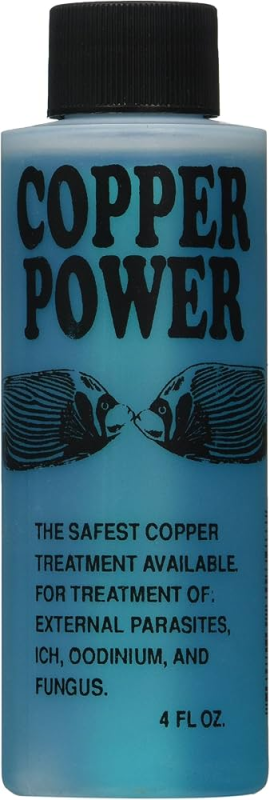
Copper treatment uses a medicated compound, typically Copper Power or a similar chelated copper product, dosed directly into a quarantine tank. The fish stays in that same tank while copper levels are raised gradually to a therapeutic level and held there for an extended period, often two weeks or more.
This is the method used at Dr. Reef’s Quarantined Fish, where fish are treated with either Chloroquine Phosphate or Copper Power as part of a full quarantine protocol. Starting doses are kept low for the first day, then raised to full strength once the fish has settled in.
Why Copper Works So Well
Copper and Chloroquine both stay active in the water the entire time the fish is present. That constant exposure treats parasites like ich as they cycle through their life stages, rather than requiring the parasite to be caught at one specific moment. It also protects against reinfection the whole time the fish remains in that tank.
The tradeoff is precision. Copper has to stay within a narrow range. Too little and it will not clear the parasite. Too much and it becomes toxic to the fish. This is why regular testing with a reliable copper checker matters throughout the entire treatment window.
How the Tank Transfer Method Works
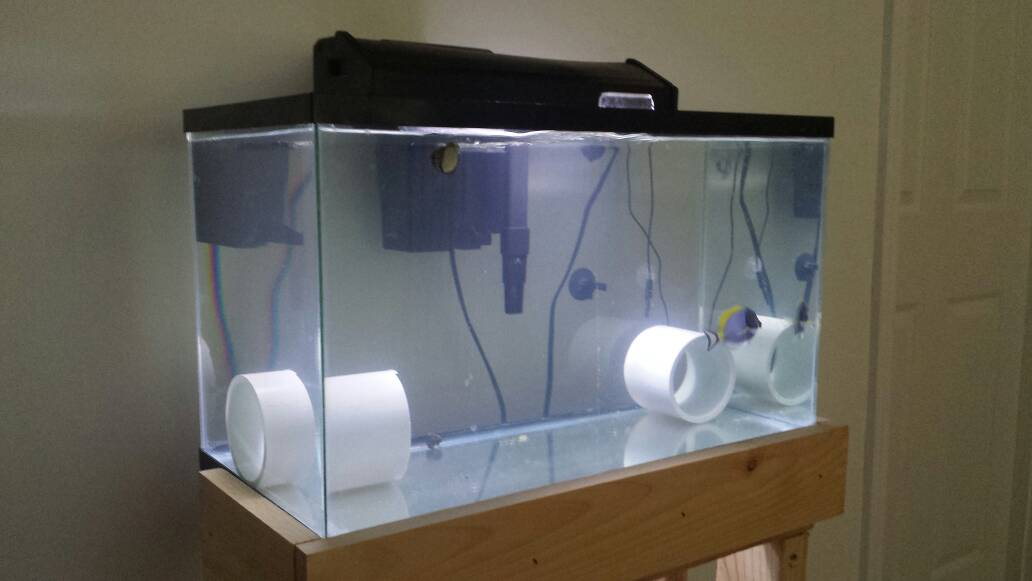
The Tank Transfer Method takes a different approach entirely. Instead of medicating the water, the fish is physically moved between two or more clean, parasite-free tanks on a set schedule, typically every few days. The idea is that many external parasites can only survive on a fish for a limited number of days before they must drop off to reproduce in the substrate.
By transferring the fish before that cycle completes, the parasite gets left behind in the old tank instead of reinfecting the fish. No medication touches the fish at all.
Where TTM Falls Short
TTM was originally designed to target one specific parasite, marine ich. It does not reliably treat other common threats like velvet disease, and some data suggests the repeated transfers can actually delay velvet symptoms rather than clear them, giving a false sense of security. TTM is also far more labor intensive, requiring multiple clean tanks and a strict transfer schedule that leaves little room for error.
Why Dr. Reef Relies on Copper and Chloroquine
Given the tradeoffs, a medicated approach offers broader protection across more parasite types, which matters enormously when treating a wide variety of species at once rather than a single fish at a time. It also allows for a longer, steadier observation window, which is part of why fish complete a full four to six week cycle before they are ever cleared for sale.
This matters just as much for hardy, popular fish as it does for something like a Gem Tang, where the cost of a mistake is much higher and there is no room to gamble on a method that only covers one type of parasite.
What This Means for You as a Buyer
You do not need to run either of these methods yourself if you buy from a seller who already has. What you should do is ask which method a seller uses and how long the process actually takes. A seller who cannot explain their approach clearly is a seller worth being cautious about.
Before you buy, check a compatibility chart to confirm the fish fits your tank, and review the FAQ page for shipping and guarantee terms. Once your fish arrives, always follow a proper acclimation guide rather than adding it straight to your tank.
Final Thoughts
Neither method is inherently wrong, but they are not interchangeable either. Copper and Chloroquine treatment offers broader, more consistent protection across a wider range of parasites, which is why it forms the backbone of a thorough quarantine process.
Browse the saltwater fish selection at Dr. Reef’s Quarantined Fish to see fish that have already completed a full, medicated quarantine cycle before they ever ship.