
5 Reef Fish That Need More Space Than Most People Realize

Some fish look small and manageable at the store. Give them a year or two, and that same fish is bumping into the glass on every side of your tank.
Tank size mistakes are one of the most common regrets in this hobby. Here are five reef fish that need a lot more room than most people expect, and what to know before bringing one home.
1. Purple Tang
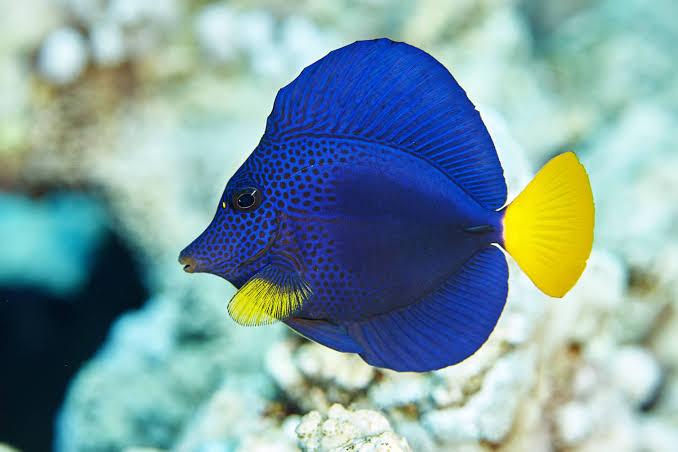
The Purple Tang is one of the most sought-after fish in the hobby, and it’s easy to see why. That deep violet body with a bright yellow tail turns heads in any tank.
What’s easy to overlook is how much this fish moves. Tangs are constant swimmers by nature, grazing and patrolling almost all day long. A cramped tank doesn’t just look wrong; it can lead to real stress and health issues over time. Most sources recommend at least 100 gallons for a single Purple Tang, more if you’re planning to add other tangs down the road.
The full profile on the Purple Tang covers what makes this fish such a standout, along with the setup it actually needs to thrive long term. On Dr. Reef’s site, a quarantined Purple Tang runs $299.99, which is worth factoring into your budget alongside the tank size itself.
2. French Angelfish
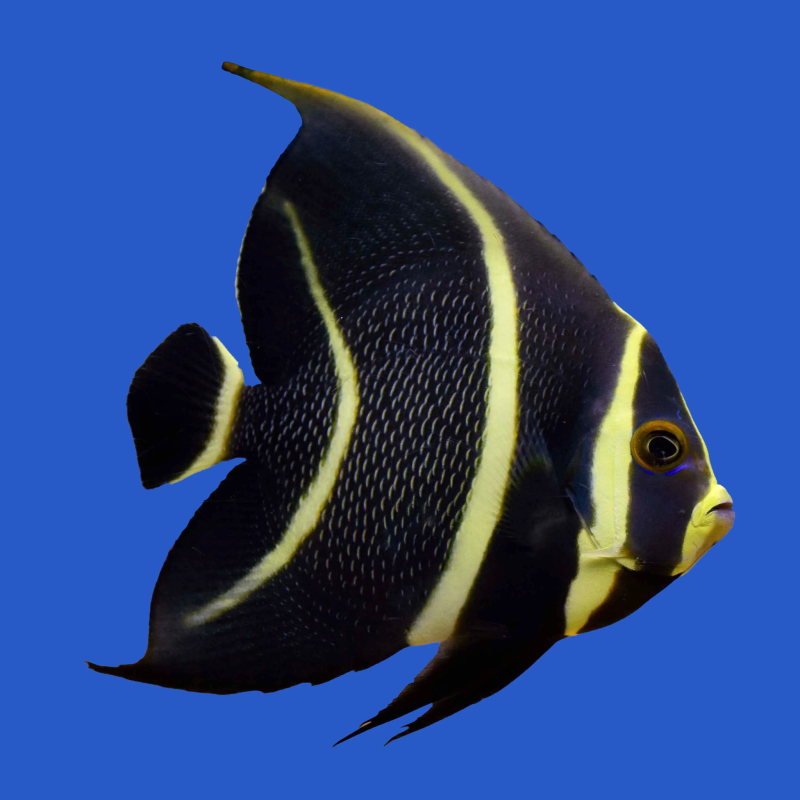
French Angelfish start small and unassuming, often sold as juveniles just a few inches long. That’s exactly why so many people underestimate them.
Left to grow, a French Angelfish can reach well over a foot in length and live for decades with good care. A fish with that kind of lifespan and adult size needs a large, mature system from the start, not just a tank it can grow into over a few years.
The write-up on the French Angelfish goes into just how much this fish changes as it matures, and why planning for its adult size matters so much. An adult specimen on Dr. Reef’s site is priced at $349.99, a fair investment considering the decades of enjoyment this fish can offer in the right setup.
3. Blue Throat Triggerfish
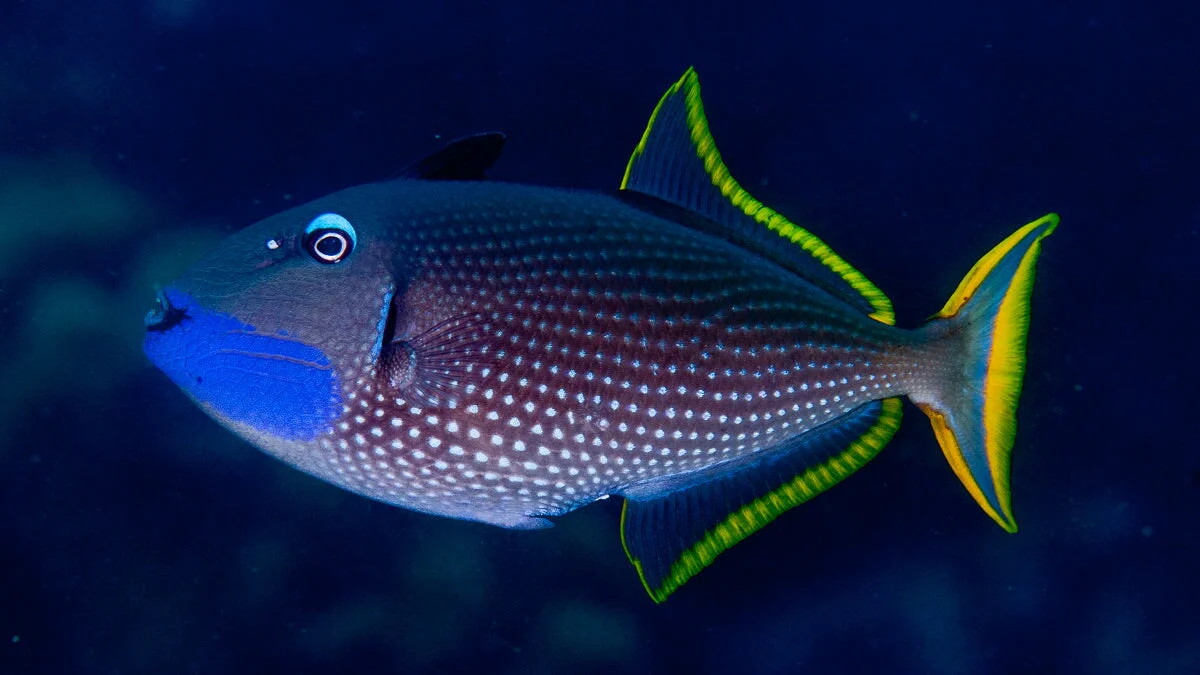
Triggerfish have a reputation for being aggressive and destructive, which pushes a lot of people to assume they need a fish-only setup in a modest tank. The Blue Throat Triggerfish is more reef-compatible than most of its relatives, but it still needs serious swimming room.
These fish are active, curious, and constantly on the move around rockwork and open water. A tight tank limits that natural behavior and can lead to a stressed, overly aggressive fish rather than the calmer temperament this species is known for when given enough space.
More on how this species compares to other triggerfish, along with its actual space requirements, is covered in the piece on the Blue Throat Triggerfish. Pricing on Dr. Reef’s site runs from $179.99 to $239.99 depending on size, which is reasonable for a fish this striking and this compatible with reef setups.
4. Bamboo Shark
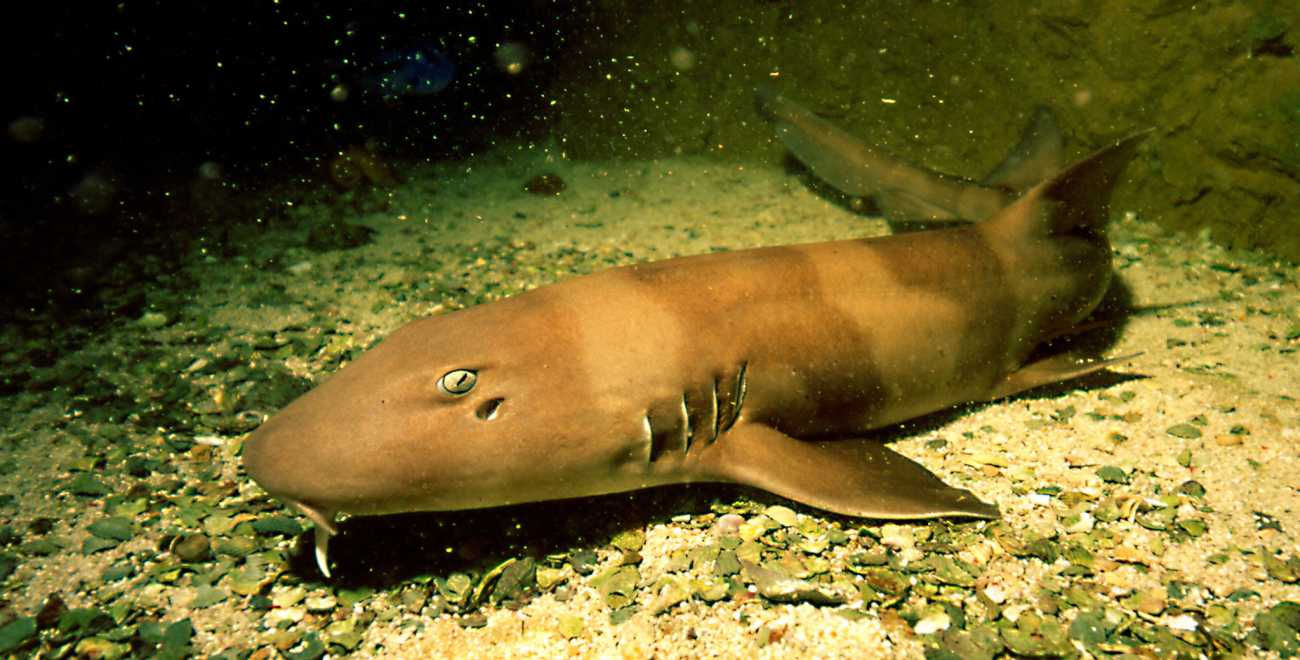
Sharks in a home aquarium sound like a stretch to a lot of new hobbyists, but Bamboo Sharks have become one of the more popular options for advanced reef keepers. The catch is that even a “small” shark species needs an enormous amount of room.
Bamboo Sharks need long, wide tanks with plenty of flat swimming space, since they spend a lot of time resting and cruising along the bottom rather than swimming in open water like a typical reef fish. Most recommendations start at several hundred gallons, and that’s before accounting for growth over the shark’s lifespan.
The mistakes first-time buyers make with this species, including underestimating tank size, are covered in the guide on the Bamboo Shark. A quarantined White Spotted Bamboo Cat Shark lists for $199.99 on Dr. Reef’s site, a modest price tag next to the tank commitment it actually requires.
5. Gem Tang
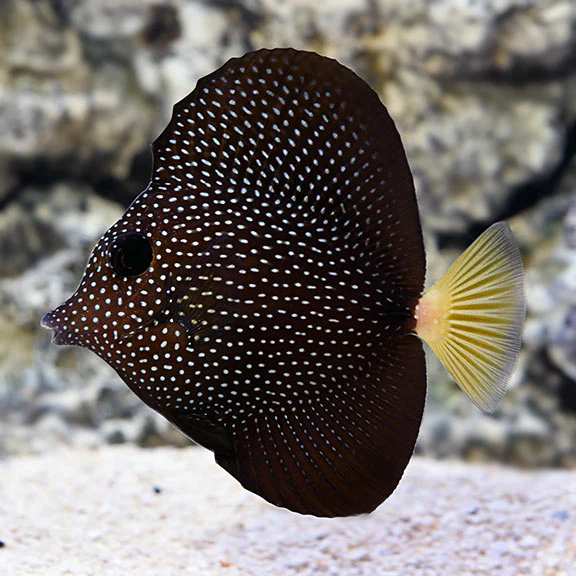
The Gem Tang is one of the rarest and most expensive fish in the hobby, which means most buyers spend a lot of time thinking about the price tag and not nearly enough time thinking about the tank.
Like other tangs, Gem Tangs are active swimmers that need a lot of open water to stay healthy, both physically and behaviorally. Given the investment involved in acquiring one, cutting corners on tank size is a costly mistake in more ways than one.
The article on the Gem Tang explains what makes this fish so sought after and what kind of setup actually does it justice. Dr. Reef currently lists a quarantined Gem Tang at $699.99, which puts the price of the fish and the price of doing the tank right in the same conversation.
Why This Matters More Than People Think
A fish that outgrows its tank doesn’t just look cramped. It can develop stress-related health issues, become more aggressive toward tank mates, or simply fail to thrive the way it would in an appropriately sized system. Undersized tanks are also a common reason people end up rehoming fish they were originally excited about.
Before buying any fish with a reputation for size or activity level, it helps to check both its adult size and its natural behavior, not just its size at the store. A fish that patrols constantly needs very different space than one that mostly sits and waits for food.
The Bottom Line
Tank size mistakes are easy to make and hard to walk back once a fish is fully grown. Doing the research ahead of time and being honest about the tank you actually have versus the tank a fish will eventually need saves a lot of stress down the line.
When you order from Dr. Reef’s Quarantined Fish, you are not just buying a fish off a shelf. You are getting a specimen that has been personally evaluated, treated, fed, and cleared for health before it ships to your door.
Every fish sold through Dr. Reef’s shop page comes with a listing that includes care requirements, so it’s worth checking those details closely before deciding if a fish is the right long-term fit for your setup.