
Reef Clams for Sale: Care Requirements, Lighting Needs, and Placement Guide

Reef Clams for Sale: Care Requirements, Lighting Needs, and Placement Guide
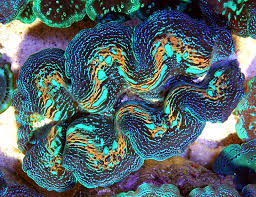
If you want to take your reef tank from beautiful to absolutely breathtaking, adding a live reef clam is one of the single best moves you can make. Few things in the marine hobby match the visual impact of a large, open Tridacna clam pulsing under reef lighting, its mantle shimmering in blues, greens, golds, and purples that seem almost too vivid to be real. Reef clams are not just decorative either. They are living water filtration systems that actively improve your tank’s water quality while adding a level of color and natural movement that no coral can quite replicate. At Dr. Reef’s Quarantined Fish, every reef clam is properly quarantined and conditioned before it ships to your door. Here is everything you need to know about keeping these incredible animals.
What Are Reef Clams?
Reef clams belong to the genus Tridacna, a group of large marine bivalve mollusks that are among the most iconic animals in the reef aquarium hobby. They are native to the tropical Indo-Pacific Ocean, where they live attached to coral reef structures in warm, clear, nutrient-poor water with intense sunlight.
What makes Tridacna clams extraordinary is their relationship with photosynthetic algae called zooxanthellae, the same symbiotic algae found inside corals. These algae live within the clam’s colorful mantle tissue and produce energy through photosynthesis, providing the clam with a significant portion of its nutrition directly from light. This is why reef clams need strong lighting and why their mantles display such vivid, almost iridescent coloration. The colors you see are a combination of the zooxanthellae and specialized pigment cells that help regulate light absorption.
Beyond their beauty, reef clams are remarkable filter feeders. They draw water through their bodies continuously, extracting phytoplankton, dissolved organics, and fine particulate matter. A healthy, well-placed clam actively contributes to the water quality of your reef tank every single day.
Why Buy From Dr. Reef’s Quarantined Fish?
Reef clams are sensitive animals that can arrive stressed, gaping, or declining if they are not handled and shipped properly. A clam that arrives in poor condition rarely recovers, and the signs of a declining clam are often subtle until it is too late.
At Dr. Reef’s Quarantined Fish, every reef clam goes through a proper quarantine and conditioning process before it ships. Here is what that means for you:
- Every clam is observed during quarantine for normal mantle extension, proper response to light and shadow, and healthy body condition
- Animals showing any signs of gaping, mantle recession, or stress are not cleared for shipping
- Clams are conditioned to stable reef water parameters before they ever leave the facility
- Shipping is handled with the same level of care given to every fish and invertebrate that Dr. Reef sells
- Only clams showing full mantle extension, vibrant coloration, and normal behavior are approved for sale
Buying a reef clam from an unvetted source is one of the most common and costly mistakes in the hobby. A declining clam can crash water parameters in a reef tank quickly as it decomposes. Dr. Reef’s quarantine process protects both the animal you are buying and every other animal already living in your tank.
Popular Reef Clam Species
Several Tridacna species are commonly available in the reef aquarium hobby. Each has slightly different care requirements, maximum sizes, and ideal placement strategies.
Tridacna maxima (Maxima Clam)
The Maxima Clam is the most popular and widely kept reef clam in the hobby. It displays some of the most vivid and varied mantle coloration of any Tridacna species, with electric blues, purples, greens, and gold patterns that are unique to each animal. No two Maxima Clams look exactly alike.
Maxima Clams are strong light lovers and attach themselves firmly to rock or substrate using a bundle of threads called a byssal gland. They grow to around 8 to 12 inches at maximum size and are considered moderately difficult to keep, requiring strong lighting and stable, low-nutrient water.
Tridacna crocea (Crocea Clam)
The Crocea Clam is the smallest commonly kept Tridacna species, typically reaching 4 to 6 inches at maximum size. What it lacks in size it makes up for in color intensity. Crocea Clams are famous for incredibly vivid electric blue and orange mantle patterns and are considered among the most colorful clams in the hobby.
Crocea Clams are unique in that they bore into rock and coral rubble using a combination of chemical and physical action, burying their shell partially into the substrate. They are the highest light requirement species on this list and are best suited for experienced reef keepers with well-established, high-output lighting systems.
Tridacna derasa (Derasa Clam)
The Derasa Clam is one of the largest and most beginner-friendly Tridacna species available. It can reach 18 to 24 inches in the wild, though aquarium specimens usually stay in the 10 to 15-inch range. Derasa clams have a more subdued mantle pattern compared to Maxima and Crocea clams, typically displaying browns, tans, and soft blues, but their sheer size and constant water-filtering activity make them incredibly impressive display animals.
Derasa Clams have the lowest light requirements of the commonly kept Tridacna species, making them a more forgiving choice for reef keepers
Care Requirements
Water Parameters
Reef clams thrive in clean, stable, low-nutrient reef water. Target parameters are:
- Temperature: 72 to 78 degrees Fahrenheit
- Salinity: 1.024 to 1.026 specific gravity
- pH: 8.1 to 8.4
- Ammonia and Nitrite: 0 ppm
- Nitrate: Under 5 ppm ideally, under 10 ppm at most
- Phosphate: Under 0.05 ppm
- Calcium: 400 to 450 ppm
- Alkalinity: 8 to 11 dKH
- Magnesium: 1250 to 1350 ppm
Calcium and Alkalinity Are Critical
Reef clams build their shells from calcium carbonate, the same material that corals use to build their skeletons. A reef tank with insufficient calcium or unstable alkalinity will see slow clam growth, shell thinning, and long-term decline. Maintaining calcium and alkalinity within the correct ranges through dosing, a calcium reactor, or regular two-part additions is essential for clam health.
Salinity Stability
Tridacna clams are particularly sensitive to sudden salinity swings. Top off evaporated water daily or use an automatic top-off system to keep salinity stable. Drastic salinity changes cause rapid mantle recession and can kill a clam quickly.
Filtration and Water Quality
Strong biological filtration, a quality protein skimmer, and regular water changes form the foundation of a reef tank capable of supporting healthy clams long-term. Clams thrive in nutrient-poor water with low nitrates and phosphates. Elevated nutrients cause the zooxanthellae inside the clam to overpopulate, which paradoxically causes the clam’s mantle to darken and its health to decline over time.
Lighting Needs
Lighting is the single most important factor in reef clam success. Get the lighting right, and most other things fall into place. Get it wrong, and even a healthy, well-placed clam will slowly decline.
General Lighting Requirements by Species
Crocea Clams have the highest light requirements and should be placed high in the tank directly under the most intense light source. They do best under metal halide or high-output LED systems capable of delivering at least 250 to 400 PAR at the clam’s position.
Maxima Clams have high light requirements and also prefer placement in the upper half of the tank under strong, direct illumination. Target 150 to 300 PAR at the placement location.
Squamosa Clams have moderate light requirements and can be placed in the middle zone of the tank. They do well under most quality reef LED or T5 systems at 100 to 200 PAR.
Derasa Clams have the lowest light requirements and can thrive in the lower portions of the tank or in systems with moderate lighting. They are the most forgiving species for keepers whose lighting is adequate but not exceptionally powerful.
Acclimating Clams to New Lighting
One of the most common mistakes reef keepers make with new clams is placing them immediately under full-intensity lighting. Even if your lighting is perfectly appropriate for the species, a clam that has been in a lower-light environment during shipping and quarantine needs time to adjust.
Start new clams in a lower or shadowed position in your tank for the first one to two weeks. Gradually move them to their intended final placement over several weeks, watching for signs of stress like mantle recession or failure to open fully. Slow acclimation prevents photoshock, which can permanently damage the zooxanthellae inside the clam’s mantle tissue.
Lighting Color and Spectrum
Reef clams respond best to lighting in the blue and violet spectrum, similar to corals. A lighting system with a strong blue component (420 to 460nm range) brings out the most vivid coloration in clam mantles and supports healthy zooxanthellae activity. Many reef keepers are amazed by how much more vivid their clams look when they adjust their lighting spectrum to emphasize the blue and actinic range.
Placement Guide
Where you place your reef clam in the tank matters enormously for its long-term health and display value.
Placement by Species
Crocea Clams should be placed high in the tank, directly under your strongest light. They naturally bore into rock, so placing them on a piece of coral rubble or a flat rock that they can attach to and eventually embed into gives them the most natural and stable mounting position.
Maxima Clams should be placed in the upper to middle sections of the tank on rockwork where they can attach firmly using their byssal threads. Avoid placing them on bare sand where they may tip over and become unable to right themselves.
Squamosa Clams are comfortable on sandy substrate in the middle zone of the tank. They do not attach as firmly as Maxima or Crocea Clams and are the easiest species to reposition if needed.
Derasa Clams are best placed on open sand in the lower to middle zone of the tank. Their large size and lower light requirements make the sandbed the most practical placement for most reef systems.
Orientation
Always place reef clams with their incurrent and excurrent siphons facing upward. The wide opening with the colorful mantle visible should be oriented toward the primary light source. A clam that is placed sideways or in shadow will not extend its mantle fully and will slowly decline.
Flow Considerations
Moderate, indirect water flow around reef clams is ideal. Strong, direct flow aimed at the mantle causes the clam to close repeatedly, which stresses the animal and reduces its photosynthetic activity. Position powerheads and flow outlets so that water moves around and near the clam without blasting directly at the open mantle.
Spacing
Give each clam enough personal space so that neighboring corals cannot sting the mantle. Many reef keepers lose otherwise healthy clams to sweeper tentacles from nearby LPS corals or from the stinging cells of carpet anemones. Keep a buffer zone of at least 6 inches between clams and any known stinging neighbors.
Avoid Placing Clams Near:
- Carpet Anemones (will sting and eat clams that wander too close)
- Large LPS Corals with long sweeper tentacles, like Hammer, Torch, and Frogspawn
- Predatory Wrasses, Triggerfish, or large Angelfish that may nip at the mantle
- Areas of dead flow or sand traps where detritus accumulates under the shell
Feeding Reef Clams
The primary nutrition source for reef clams is photosynthesis through their zooxanthellae. In a well-lit reef tank, most small to medium-sized clams get the majority of what they need from light alone.
However, supplemental feeding significantly improves growth rates, color intensity, and long-term health, especially for smaller clams and those in systems that are very nutrient-poor.
What to Feed
- Phytoplankton (live or bottled, such as Reef Phyto products)
- Nanoplankton or ultra-fine zooplankton
- Coral food products designed for filter feeders
- Oyster eggs or oyster feast products
- Dissolved organic compounds from a well-fed reef (natural feeding in a community tank)
How to Feed
Turn off your protein skimmer and reduce flow for 15 to 20 minutes while broadcast feeding phytoplankton near the clam. This allows the clam to filter the food before it is removed by skimming or flow. Resume normal operation after the feeding window.
Feed supplementally two to three times per week for best results. Smaller clams under 3 inches benefit most from regular supplemental feeding. Larger clams in well-established reef systems often thrive on light alone, with only occasional supplemental feeding.
Common Health Issues and How to Identify Them
Mantle Recession
The most common sign of a stressed or declining clam. The colorful mantle tissue begins pulling away from the shell edges rather than extending fully. Caused by inadequate lighting, poor water chemistry, salinity swings, predation, or physical damage. Catch it early and correct the cause and many clams recover fully.
Gaping
A healthy clam opens and closes responsively. A clam that stays wide open and unresponsive, or one that stays tightly closed for extended periods in good lighting, is showing stress. Gaping combined with a foul smell is a serious warning sign of a dying clam that must be removed from the tank immediately.
Pyramid Snail Infestation
Pyramid snails are tiny parasitic snails that live under the mantle of Tridacna clams and feed on their tissue. They are one of the most common and damaging clam pests in the hobby. Signs include small white cone-shaped snails visible near the byssal opening or under the shell edge. Remove the clam from the tank and manually remove all snails with a soft brush or freshwater dip of the shell area. Check new clams carefully at the time of introduction.
Pinched Mantle Disease
A condition where the mantle develops a pinched or wavy appearance along its edge rather than a smooth, fully extended profile. The exact cause is debated but is associated with bacterial infection and stress. Improving water quality, lighting, and stability often halts progression in early cases.
Bleaching
A bleached clam has lost its zooxanthellae and displays a pale or white mantle. Caused by temperature stress, very high light intensity without proper acclimation, or prolonged low light. A bleached clam can sometimes recover if conditions are corrected quickly and supplemental feeding is increased to compensate for the loss of photosynthetic nutrition.
Predators to Watch For
Several common reef tank inhabitants are known clam predators that must be excluded from any tank housing Tridacna clams:
- Triggerfish of any species
- Large Wrasses including Humphead, Titan, and large Coris species
- Pufferfish
- Large Angelfish (some species develop a habit of nipping clam mantles)
- Carpet Anemones
- Pyramid Snails
- Bristle Worms in large numbers around smaller clams
Frequently Asked Questions
How long do reef clams live? In the wild, Tridacna clams can live for decades, with some Giant Clam specimens documented at over 100 years old. In well-maintained reef aquariums, lifespans of 10 to 20 years or more are achievable with proper care.
Can I keep a reef clam in a nano tank? Smaller species like Crocea and Maxima Clams can be kept in tanks as small as 30 gallons if the lighting and water chemistry are excellent. The key limitation in nano tanks is maintaining stable calcium, alkalinity, and salinity in a small water volume.
Do reef clams need to be fed if I have strong lighting? Larger clams in well-lit tanks often sustain themselves primarily through photosynthesis. Smaller clams and those in newer systems benefit significantly from regular phytoplankton supplementation. Feeding is never harmful and always improves growth and color.
How do I know if my clam is healthy? A healthy clam opens its mantle fully during the light period, responds to shadows by quickly closing, has vibrant and evenly colored mantle tissue extending to the shell edges, and shows no signs of gaping or unusual odor. Growth at the shell edges is the most reliable long-term sign of a thriving clam.
Can reef clams be kept with corals? Yes, absolutely. Reef clams and corals share very similar care requirements and thrive in the same water conditions. Just ensure that stinging corals are kept at a safe distance from the clam’s mantle tissue.
Why is my clam not opening fully? Common causes include insufficient lighting, direct strong flow aimed at the mantle, a nearby stinging coral or anemone, predation from a fish or snail, or recent stress from shipping or relocation. Work through each possibility systematically and most cases resolve once the cause is identified and corrected.
Does Dr. Reef offer a live arrival guarantee on clams? Yes. Dr. Reef’s Quarantined Fish stands behind every animal they ship, including reef clams. Visit the website for the most current guarantee and shipping policy details.
Final Thoughts on Reef Clams
Reef clams are one of the most visually stunning, biologically fascinating, and genuinely useful animals you can add to a saltwater aquarium. They filter your water, feed from your light, grow steadily over years and decades, and display colors that stop every person who sees your tank dead in their tracks.
With the right lighting, stable water chemistry, thoughtful placement, and a properly quarantined animal from Dr. Reef’s Quarantined Fish, a reef clam is one of the most rewarding long-term investments you can make in your reef. Dr. Reef’s commitment to animal health, honest care information, and genuine customer support makes every purchase a confident and exciting one.
Check availability today at Dr. Reef’s Quarantined Fish and find the clam that belongs in your reef.