
Holy Grail Torch Coral for Sale: Pricing, Care Requirements, and Growth Tips

Holy Grail Torch Coral for Sale: Pricing, Care Requirements, and Growth Tips
Price: $399.99
Some corals are pretty. Some corals are impressive. And then there is the Holy Grail Torch Coral, a coral so rare, so visually stunning, and so deeply coveted in the reef aquarium hobby that its name alone tells you everything you need to know about its status. This is the coral that experienced reef keepers work toward. The one that sits at the center of a display tank and makes every other coral around it look like a supporting act. At Dr. Reef’s Quarantined Fish, every Holy Grail Torch Coral is properly quarantined, conditioned, and confirmed healthy before it ships to your door. Here is everything you need to know about owning one of the most extraordinary corals in the world.
What Is a Holy Grail Torch Coral?
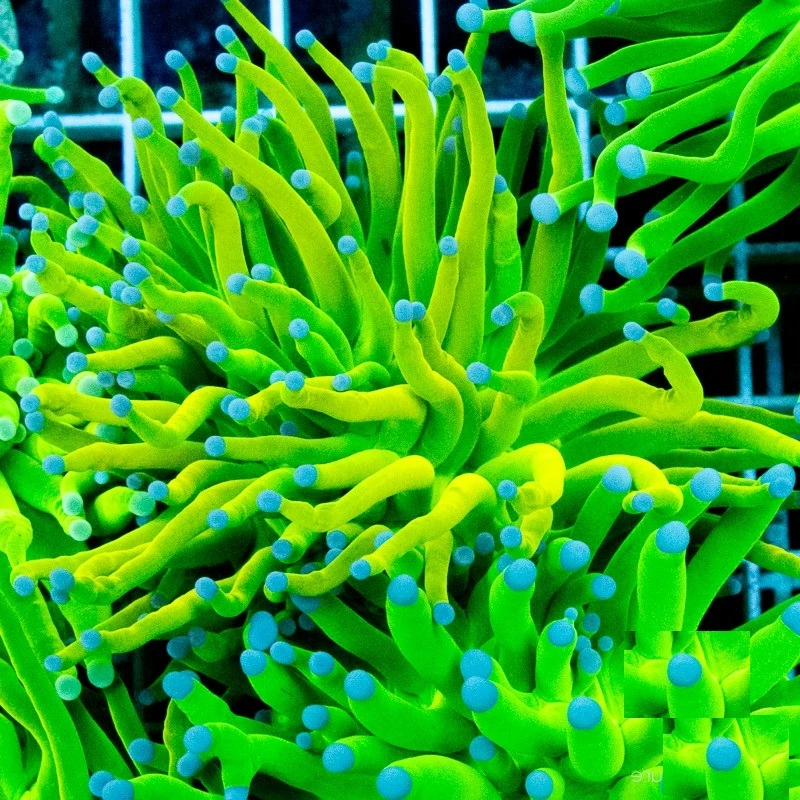
The Holy Grail Torch Coral is a highly sought-after color variant of Euphyllia glabrescens, the species commonly known as the Torch Coral. While standard Torch Corals are already among the most popular and beloved LPS corals in the reef hobby, the Holy Grail variant exists in a category entirely its own.
What defines a Holy Grail Torch Coral is its extraordinary tentacle coloration. True Holy Grail Torch Corals display vivid gold or yellow tentacles tipped with white, cream, or pink heads, a color combination so rare in the wild and so difficult to aquaculture consistently that specimens command prices that reflect their genuine scarcity. When a Holy Grail Torch opens fully under blue reef lighting, the tentacles take on an almost glowing, electric quality that photographs cannot fully capture and that visitors to your tank will not stop talking about.
At $399.99 from Dr. Reef’s Quarantined Fish, a Holy Grail Torch Coral is not an impulse purchase. It is an investment in a living centerpiece that, with proper care, will grow, split, and increase in value and beauty for years and decades to come.
Why the Holy Grail Torch Coral Is So Expensive
Understanding the price starts with understanding the rarity.
Standard Torch Corals are collected from reef environments across the Indo-Pacific and are relatively common in the hobby. Holy Grail Torch Corals displaying the true gold and white coloration are exceptionally rare in the wild and are not consistently available from collection sources. The specimens that do appear command immediate premium pricing at every level of the supply chain.
Aquaculture of Holy Grail Torch Corals is growing but limited. Fragging and propagating this color variant requires mature, healthy mother colonies that are themselves expensive and years in the making. A quality aquacultured Holy Grail frag represents months or years of careful cultivation before it is large enough to sell.
Add to that the quarantine and conditioning process at Dr. Reef’s Quarantined Fish, the careful shipping protocols required to transport a delicate LPS coral safely, and the live arrival guarantee backing every purchase, and $399.99 is not just justified. It is a fair price for one of the most genuinely rare and beautiful coral color variants in the entire hobby.
Why Buy From Dr. Reef’s Quarantined Fish?
Buying a $399.99 coral from a source that does not properly quarantine and condition its animals is one of the most unnecessary risks in the reef hobby. A stressed, pest-laden, or declining Holy Grail Torch arriving in your tank can introduce problems that cost far more than the coral itself to address.
At Dr. Reef’s Quarantined Fish, every coral goes through a thorough quarantine and conditioning process before it ships:
- Full observation period confirming full polyp extension, normal feeding response, and healthy tissue coverage
- Inspection for common coral pests, including Aiptasia, Majano anemones, Montipora-eating nudibranchs, and flatworms
- Pest treatment is necessary before the coral is ever cleared for sale
- Conditioning to stable, reef-quality water parameters
- Health screening confirming tissue integrity, skeleton coverage, and vibrant coloration before shipping approval
A Holy Grail Torch from Dr. Reef arrives ready to open, ready to feed, and ready to thrive in your system. That level of preparation is the only appropriate starting point for a coral of this value and rarity.
Species Overview
Scientific Name: Euphyllia glabrescens
Common Names: Holy Grail Torch Coral, Gold Torch Coral, Ultra Torch Coral
Origin: Indo-Pacific Ocean, primarily Indonesia, Australia, and surrounding reef systems
Growth Form: Branching LPS coral with long, flowing tentacles that extend fully during the day and retract at night
Adult Colony Size: Individual heads grow to 3 to 5 inches in diameter. A mature, multi-head colony can span 8 to 14 inches or more across.
Growth Rate: Moderate. Under ideal conditions, a single head Torch Coral will develop new growth and eventually split into multiple heads over 6 to 18 months.
Temperament: Aggressive toward other coral species. Torch Corals extend long sweeper tentacles that sting neighboring corals.
Difficulty Level: Moderate. Suitable for intermediate reef keepers with stable, established systems.
Photosynthetic: Yes. Contains zooxanthellae and derives significant nutrition from light.
Care Requirements
Tank Requirements
The Holy Grail Torch Coral does best in a mature, stable reef system that has been running for at least 6 to 12 months. New tanks with unstable water chemistry are not appropriate environments for a coral of this value. The biological filtration, chemical stability, and microfauna populations of an established reef provide the foundation a Torch Coral needs to thrive long-term.
Minimum Tank Size
A 30-gallon tank is the practical minimum for housing a Holy Grail Torch Coral, but a 50-gallon or larger system provides better water volume stability and more placement flexibility. The coral needs enough surrounding space to extend its sweeper tentacles without contacting neighbors, which requires a meaningful buffer zone in any tank layout.
Water Parameters
- Temperature: 75 to 79 degrees Fahrenheit. Torch Corals are sensitive to temperature swings. Stability matters more than the exact number within this range.
- Salinity: 1.025 to 1.026 specific gravity
- pH: 8.1 to 8.4
- Ammonia and Nitrite: 0 ppm
- Nitrate: 2 to 10 ppm. Torch Corals actually benefit from slightly elevated nutrients compared to SPS corals. Zero nitrate tanks can cause them to bleach or recede.
- Phosphate: 0.02 to 0.08 ppm. Again, slightly elevated over SPS requirements.
- Calcium: 400 to 450 ppm
- Alkalinity: 8 to 10 dKH. Stability is critical. Alkalinity swings of more than 0.5 dKH per day stress Torch Corals significantly.
- Magnesium: 1280 to 1380 ppm
The Most Important Parameter for Torch Corals
Alkalinity stability is the single most critical water chemistry factor for Euphyllia corals, including Torch Corals. Rapid swings in alkalinity, even within the acceptable range, cause tissue recession and browning far more reliably than any other water quality issue. Test alkalinity daily during the establishment period and dose consistently to maintain a flat, stable level. A calcium reactor or reliable two-part dosing system makes this significantly easier to achieve.
Flow
Low to moderate, indirect flow is ideal for Holy Grail Torch Corals. The tentacles should wave and sway gently in the current, not be blown flat or thrashed around. Direct, strong flow aimed at a Torch Coral causes chronic stress, tentacle retraction, and eventual tissue damage.
Position powerheads so that water movement in the coral’s location comes from an indirect, randomized direction rather than a constant direct blast. A good test is to watch the tentacles after the coral has been open for several hours. They should move gently and consistently without folding back on themselves or retracting in response to flow bursts.
Lighting
Moderate lighting is the sweet spot for Holy Grail Torch Corals. They do not want the intense, high-PAR lighting that SPS corals thrive under. Target PAR values of 50 to 150 at the coral’s placement location. Under excessively strong light, Torch Corals bleach. Under insufficient light, they brown out as the zooxanthellae density increases to compensate.
Because the Holy Grail color variant is defined by its gold and white coloration, maintaining the right lighting intensity directly affects how vivid and true to color the coral displays. Many keepers find that a slightly reduced blue spectrum with some white mixed in brings out the gold tones of the Holy Grail tentacles most vividly, though lighting preference is somewhat subjective and worth experimenting with once the coral is fully settled.
Acclimating to New Lighting
Never place a new Torch Coral immediately under full-intensity lighting. Start the coral in a lower, more shaded position in your tank for the first two to four weeks and gradually move it toward its intended final placement. This is especially important for a $399.99 specimen. Photoshock from sudden high-intensity light exposure can cause permanent damage to the zooxanthellae and bleach the coral within days.
Placement Guide
Placing a Holy Grail Torch Coral correctly in your reef tank is one of the most important decisions you will make for its long-term success and display quality.
Height in the Tank
Place your Holy Grail Torch Coral in the lower to middle zone of the tank where lighting falls in the 50 to 150 PAR range. Avoid placing it at the top of the rockwork directly under the strongest light point unless your system runs at lower overall intensities.
Substrate vs. Rockwork
Torch Corals can be placed directly on the sandbed or mounted on rockwork, depending on the frag plug or skeleton base. Many keepers prefer sandbed placement for Torch Corals because it gives the tentacles maximum room to extend downward and outward and makes it easier to maintain the buffer zone needed around an aggressive sweeper coral. On rockwork, make sure the mounting point is stable, and the coral cannot tip or fall.
Buffer Zone
This is non-negotiable. Torch Corals produce long, thin sweeper tentacles that extend significantly further than the main tentacle mass, particularly at night. These sweeper tentacles are loaded with powerful nematocysts that can cause severe tissue damage to neighboring corals on contact.
Maintain a minimum 6-inch buffer zone in every direction between your Holy Grail Torch Coral and any other coral in the tank. For neighbors with particularly sensitive tissue, 8 to 10 inches is safer. Failing to respect the buffer zone is one of the most common reasons reef keepers lose both their Torch Coral and surrounding corals to chemical warfare and physical stinging.
Torch Coral Compatibility With Other Euphyllia
One of the most interesting aspects of Torch Coral placement is that Euphyllia corals are generally compatible with each other. Torch, Hammer, and Frogspawn corals can often be placed in proximity without the aggressive stinging that occurs between Euphyllia and unrelated coral species. Many reef keepers create dedicated Euphyllia gardens, clusters of different Hammer, Torch, and Frogspawn variants placed together as a breathtaking display centerpiece. A Holy Grail Torch Coral surrounded by quality Hammer and Frogspawn variants is one of the most visually spectacular coral arrangements in the hobby.
Feeding and Growth Tips
Photosynthesis as Primary Nutrition
Like all zooxanthellate corals, the Holy Grail Torch Coral derives a significant portion of its energy from the photosynthetic activity of its zooxanthellae under appropriate lighting. In a well-lit reef tank, a Torch Coral can survive on light alone, but it will not reach its full growth potential or display its most vivid coloration without supplemental target feeding.
Target Feeding for Maximum Growth
Target feeding is the single most effective thing you can do to accelerate Holy Grail Torch Coral growth and color intensity. During the evening, when the tentacles are fully extended and in feeding mode, use a turkey baster or pipette to gently deliver food directly onto the tentacle mass.
Best Foods for Torch Corals
- Frozen mysis shrimp (the most reliable and effective Torch Coral food)
- Reef Roids or similar coral-specific powdered foods
- Frozen cyclops
- Oyster feast or similar fine zooplankton products
- Live baby brine shrimp as an occasional enrichment feed
- Coral-specific amino acid supplements
Feeding Technique
Reduce the flow in the tank or turn off powerheads for 10 to 15 minutes while target feeding. Gently deliver small amounts of food directly to the extended tentacles using a pipette or small turkey baster. Watch the tentacles curl inward around the food particles, which is the feeding response that confirms the coral is actively eating. Resume normal flow after the feeding period.
Feed your Holy Grail Torch Coral two to three times per week for the best growth results. Consistent target feeding combined with stable water chemistry and appropriate lighting produces the fastest growth rates and most vivid color expression.
Signs of a Growing, Thriving Torch Coral
A Holy Grail Torch Coral that is growing and thriving shows several clear indicators. The tentacles extend fully and consistently during the day, displaying their full gold and white coloration. The coral opens within a predictable window after the lights come on each day. New skeleton growth is visible as bright white calcium carbonate at the base and edges of the skeleton. Over months, the original single head begins to develop the early stages of a new growth point that will eventually split into a second head, doubling the colony size and value.
Common Issues and How to Fix Them
Brown Out
A Holy Grail Torch Coral that starts losing its gold coloration and turning brownish is experiencing a browning out event caused by zooxanthellae overloading the tissue. This is almost always caused by insufficient lighting or excessively high nutrients. Gradually increase lighting intensity or reduce nutrients, and the color typically recovers over several weeks.
Bleaching
A bleaching Torch Coral is losing its zooxanthellae. Causes include too much light, temperature shock, salinity swings, or alkalinity instability. Reduce lighting, correct any parameter issues, increase target feeding to compensate for lost photosynthetic nutrition, and give the coral time to recover. Early-stage bleaching is reversible. Advanced bleaching with visible tissue recession is much harder to turn around.
Tentacle Retraction
A Torch Coral that stays retracted or does not open fully during the light period is experiencing stress. Common causes include excessive flow, nearby stinging from a neighboring coral, pests, poor water quality, or inadequate lighting. Work through each possibility systematically. A coral that was opening well and suddenly stops is almost always responding to a specific change in the tank environment.
Brown Jelly Disease
One of the most feared Torch Coral ailments. Brown jelly disease causes rapid tissue necrosis that spreads across the coral quickly and leaves a bare skeleton within days if not addressed. It appears as a brown, mucus-like substance covering part of the coral. Act immediately. Remove the affected coral from the tank, use a turkey baster to blast off all visible brown jelly under clean saltwater, frag any healthy tissue away from the affected area, and dip the coral in a quality coral dip solution before returning it to the tank or a separate recovery vessel. Time is critical with brown jelly disease.
Pest Identification
Common Torch Coral pests include Aeolid nudibranchs that specifically target Euphyllia corals, small Acoel flatworms, and various small predatory snails. Inspect your Holy Grail Torch Coral regularly for any unusual small organisms on or near the tissue. A prophylactic coral dip with a quality product like CoralRx or Revive upon arrival and periodically during the coral’s life helps prevent pest populations from establishing.
Propagation and Fragging
One of the most exciting long-term aspects of owning a Holy Grail Torch Coral is its potential for propagation. A single head purchased today can, over several years of excellent care, become a multi-head colony worth significantly more than the original purchase price.
Natural Head Splitting
Torch Corals split naturally over time without any intervention required. A single healthy head that is consistently fed, kept in stable water, and given appropriate lighting will develop a secondary growth point over 6 to 18 months and eventually split into two distinct heads. This process continues as the colony matures, producing an ever-expanding multi-head colony.
Manual Fragging
Experienced reef keepers can manually frag Torch Corals by cutting individual heads from the main colony using bone cutters or a coral saw. Fragging is a more advanced technique that carries the risk of damage or infection if not performed properly and is best approached only after the coral is fully established, healthy, and growing strongly. A single Holy Grail Torch Coral head fragged from a healthy mother colony commands premium pricing in the reef community, making propagation of this variant a genuinely rewarding long-term investment.
Frequently Asked Questions
Is the Holy Grail Torch Coral truly worth $399.99?
For a properly quarantined, healthy specimen displaying true gold and white Holy Grail coloration, yes. The rarity of this color variant, the care invested before it ships, and the long-term growth and propagation potential make this one of the most defensible premium purchases in the reef hobby.
How fast does a Holy Grail Torch Coral grow?
Under ideal conditions with consistent target feeding, stable alkalinity, and appropriate lighting, a single head can develop secondary growth and begin splitting within 6 to 18 months. Growth rates vary significantly with care quality.
Can a beginner keep a Holy Grail Torch Coral?
With a mature, stable tank and a willingness to maintain consistent water chemistry, yes. The Holy Grail Torch is moderately challenging rather than expert-only. The most important requirements are alkalinity stability, appropriate lighting intensity, and sufficient buffer space from neighboring corals.
Will my Holy Grail Torch Coral sting other corals?
Yes. Torch Corals are aggressive, and their sweeper tentacles will damage neighboring corals on contact. Maintaining a minimum 6-inch buffer zone in every direction is essential.
What does it mean when my Torch Coral is not opening?
It is experiencing some form of stress. Common causes include excessive flow, stinging from a neighbor, parameter instability, pests, or inadequate lighting. Systematically check each possibility and address the most likely cause first.
Can Holy Grail Torch Corals be kept with clownfish?
Sometimes. Clownfish occasionally host in Torch Corals the way they host in anemones. Some Torch Corals tolerate clownfish hosting without stress. Others show tissue damage from the constant contact. If your clownfish begins hosting in your Holy Grail Torch, monitor the coral tissue carefully and be prepared to redirect the clownfish if the coral shows signs of stress.
Does Dr. Reef offer a live arrival guarantee on corals? Yes. Dr. Reef’s Quarantined Fish stands behind every animal they ship, including corals. Visit the website for the most current guarantee and shipping policy details.
Final Thoughts
The Holy Grail Torch Coral is exactly what its name promises. It is the coral that reef keepers aspire to own, the centerpiece that elevates an entire display, and the living investment that grows more beautiful and more valuable with every passing year of excellent care.
At $399.99 from Dr. Reef’s Quarantined Fish, you are not just buying a coral. You are buying a properly quarantined, healthy, and confirmed-vibrant specimen backed by the same level of expert care and genuine commitment to animal health that Dr. Reef brings to every fish, invert, and coral they sell.
Get your parameters dialed in, prepare your placement zone, and check availability today. Holy Grail Torch Corals at this level of quality and preparation are never in stock for long.