
Clarkii Clownfish for Sale: Care Tips, Breeding Guide, and Tank Requirements

Clarkii Clownfish for Sale: Care Tips, Breeding Guide, and Tank Requirements
Price: $39.99
If you are looking for a clownfish that goes beyond the usual, the Clarkii Clownfish is exactly what your tank needs. Bolder than an Ocellaris, tougher than most, and compatible with a wider range of anemones than almost any other clownfish species, the Clarkii is a favorite among hobbyists who want a fish with real character and long-term reef value. At Dr. Reef’s Quarantined Fish, every Clarkii Clownfish is fully quarantined, parasite-treated, and eating prepared foods before it ships to your door. Here is everything you need to know.
What Is a Clarkii Clownfish?
The Clarkii Clownfish, known scientifically as Amphiprion clarkii, is one of the most widely distributed clownfish species in the world. Found throughout the Indo-Pacific Ocean from the Persian Gulf and Red Sea all the way to the waters of Japan, Australia, and Micronesia, it is also one of the most adaptable and hardy clownfish available in the hobby.
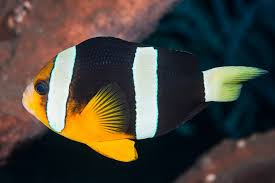
Clarkii Clownfish typically grow to around 4 to 5 inches, making them slightly larger than the more commonly kept Ocellaris and Percula clownfish. Their coloration is striking: a deep orange or black base body with bold white stripes edged in black, and vivid yellow or orange fins. Color variations exist depending on geographic origin, with some specimens showing nearly all-black bodies and others displaying brilliant orange throughout.
What truly sets the Clarkii apart is its personality. It is assertive, curious, and interactive in a way that makes it one of the most engaging reef fish you can keep. At $39.99 from Dr. Reef’s Quarantined Fish, it is also one of the best values in the marine hobby.
Why Buy From Dr. Reef’s Quarantined Fish?
Clownfish are among the most popular marine fish sold online, which means they are also among the most commonly shipped without proper preparation. Unquarantined clownfish frequently arrive carrying ich, velvet, or flukes that can devastate an established reef tank within days of introduction.
At Dr. Reef’s Quarantined Fish, every Clarkii Clownfish goes through a complete quarantine process before it ever ships:
- Full observation period monitoring behavior, appetite, and body condition daily
- Proactive treatment for ich, velvet, flukes, and other common parasites
- Food conditioning so the fish is confidently eating frozen mysis, pellets, and prepared foods before shipping
- Health screening confirming clear eyes, intact fins, vibrant color, and normal swimming behavior
- Only fish meeting every health standard are cleared for shipping
For a fish you plan to keep for 10 to 20 years or more, starting with a quarantined, healthy animal from Dr. Reef is not just the smart choice. It is the only choice that makes sense.
Species Overview
Scientific Name: Amphiprion clarkii
Common Names: Clarkii Clownfish, Clark’s Clownfish, Yellowtail Clownfish
Origin: Indo-Pacific Ocean, Red Sea, Persian Gulf, Japan, Australia, Micronesia
Adult Size: 4 to 5 inches
Lifespan: 10 to 20 years or longer with proper care
Temperament: Bold, assertive, and territorial around their chosen host. Generally peaceful toward unrelated species.
Reef Safe: Yes, completely reef-safe
Anemone Compatibility: One of the widest anemone compatibility ranges of any clownfish species
Activity Level: Moderate to high, especially when hosting in an anemone
Care Tips
Tank Size
Clarkii Clownfish are comfortable in tanks as small as 30 gallons for a single fish or bonded pair. If you plan to keep them with an anemone host, a 40-gallon or larger tank gives the anemone enough stable space to thrive alongside the fish. Larger tanks of 55 gallons or more provide the best environment for a long-term display with corals, an anemone, and community tank mates.
Water Parameters
- Temperature: 72 to 78 degrees Fahrenheit
- Salinity: 1.023 to 1.026 specific gravity
- pH: 8.1 to 8.4
- Ammonia and Nitrite: 0 ppm
- Nitrate: Under 10 ppm for best results, especially if keeping anemones
Aquascape
Clarkii Clownfish appreciate rockwork with open areas where an anemone can attach and expand. If you are keeping them without an anemone, they will often adopt a coral head, powerhead, or even a corner of the tank as their home base. Provide enough structure for them to feel secure, and they will thrive.
Lighting
Standard reef lighting works well for Clarkii Clownfish. If you are keeping a host anemone, make sure your lighting meets the anemone’s needs first, as the clownfish will adapt to whatever lighting you provide.
Anemone Compatibility
One of the biggest advantages of keeping a Clarkii Clownfish over other species is its extraordinary range of anemone compatibility. While Ocellaris and Percula clownfish are closely associated with only a few anemone species, the Clarkii will host at least ten different anemone species, more than almost any other clownfish in the hobby.
Compatible host anemones include Bubble Tip Anemones, Magnificent Sea Anemones, Leathery Sea Anemones, Giant Carpet Anemones, Merten’s Carpet Anemones, Haddon’s Carpet Anemones, and several others. This flexibility makes the Clarkii an excellent choice for reef keepers who already have an established anemone and want a compatible hosting clownfish.
Even without a host anemone, Clarkii Clownfish live full, healthy, and active lives in reef tanks. The anemone relationship enriches their behavior, but is never a strict requirement.
Feeding
Clarkii Clownfish are excellent, enthusiastic eaters that accept a wide variety of prepared foods.
What to Feed
- Frozen mysis shrimp (top staple food)
- Frozen brine shrimp (great as a supplement or appetite stimulator)
- High-quality marine pellets designed for omnivorous fish
- Finely crushed marine flake food
- Frozen cyclops or small zooplankton
- Nori or marine algae sheets for plant matter
Feeding Schedule
Feed two to three times daily in small amounts. Clarkii Clownfish have good appetites and rarely refuse food once settled. Because Dr. Reef’s fish are already conditioned to eat prepared foods before shipping, your Clarkii will eat confidently from its very first feeding in your tank.
Breeding Guide
One of the most rewarding aspects of keeping Clarkii Clownfish is their willingness to breed in captivity. They are one of the easier clownfish species to breed at home, and successfully raising a batch of clownfish fry is one of the most satisfying accomplishments in the reef hobby.
How Clownfish Pairing Works
All clownfish are born as males. In any social group, the largest and most dominant individual becomes female. The second largest becomes the breeding male. All others remain non-reproductive males. If the female is removed, the breeding male changes sex and becomes the new female.
When you purchase a single Clarkii Clownfish, you have a male or a non-reproductive individual. When you add a second Clarkii of smaller size, one will eventually become female, and a bonded pair will form. Purchasing a known bonded pair shortens this process significantly.
Spawning Behavior
Clarkii Clownfish typically spawn near the base of their host anemone or on a flat, clean rock surface near their chosen territory. Before spawning, you will notice the male cleaning a flat rock surface obsessively. The female deposits a clutch of eggs, typically 100 to 500 eggs depending on her age and size, and the male fertilizes them immediately.
Egg Care
Both parents guard the eggs aggressively after spawning. The male fans the eggs continuously to oxygenate them and removes any unfertilized eggs to prevent fungal growth. Eggs typically hatch in 6 to 10 days, depending on water temperature.
Raising the Fry
Raising clownfish fry requires a separate rearing tank. Newly hatched larvae are tiny and need very specific first foods. Rotifers enriched with phytoplankton are the standard first food for clownfish larvae. After 10 to 14 days, fry can transition to freshly hatched baby brine shrimp. Water quality in the rearing tank must be immaculate, with gentle filtration that does not suck up the tiny larvae.
Fry begins showing adult coloration and pattern at around 3 to 4 weeks of age. Successfully raising a batch of Clarkii fry to the juvenile stage is a deeply rewarding experience that many hobbyists find completely addictive.
Tips for Encouraging Breeding
- Keep water parameters extremely stable
- Feed a varied, high-quality diet to condition the pair for spawning
- Provide a flat rock surface or tile near their territory as a spawning site
- Maintain a consistent lighting schedule that mimics natural day and night cycles
- Minimize stress and disturbances near the tank during the breeding period
Tank Requirements Summary
Here is a quick reference for setting up the ideal Clarkii Clownfish tank:
A 30 to 55-gallon reef tank with stable water parameters, moderate lighting, and a quality protein skimmer creates an excellent foundation. Add rockwork with open areas for an optional anemone host, a flat rock or tile surface near the territory for potential spawning, and standard reef flow from two or more powerheads. Feed a varied frozen and pellet diet two to three times daily. If breeding is the goal, have a separate 10 to 20-gallon rearing tank ready with gentle filtration and a rotifer culture established before the first spawn.
Compatibility With Other Fish
Clarkii Clownfish are generally peaceful toward unrelated species but can be territorial around their chosen home base. Good tank mates include Tangs, Wrasses, Gobies, Firefish, Cardinalfish, Blennies, Dartfish, and most other peaceful reef fish. Avoid housing them with very aggressive fish that may bully them or very small, timid fish that may be overwhelmed by their bold personality near the anemone territory.
Two Clarkii Clownfish should be introduced simultaneously or as a known bonded pair. Introducing a second clownfish to a tank where one is already established requires careful monitoring during the initial pairing process.
Frequently Asked Questions
How long does a Clarkii Clownfish live?
With excellent care, Clarkii Clownfish can live 10 to 20 years or longer in captivity. They are genuinely long-term companions that grow and change over time.
Does a Clarkii Clownfish need an anemone?
No. They live full, healthy lives without an anemone host. An anemone enriches their behavior and encourages breeding, but it is never a strict requirement.
How do I know if my Clarkii Clownfish are a bonded pair?
A bonded pair will stay close together, share the same territory, and the larger female will often be slightly dominant over the smaller male. The male typically cleans surfaces near the territory, and submissive shaking or twitching toward the female is a normal bonding behavior.
Can Clarkii Clownfish breed with other clownfish species?
In captivity, hybridization between clownfish species has been documented, but it is not recommended. For clean, healthy offspring, always pair Clarkii with Clarkii.
Are Clarkii Clownfish reef-safe?
Completely. They are safe with corals, invertebrates, and all standard reef inhabitants.
Why buy from Dr. Reef instead of a local fish store?
Because every fish from Dr. Reef is fully quarantined and treated for common diseases before it ships. Most local fish stores and online sellers do not quarantine their fish. A healthy, eating, parasite-free Clarkii Clownfish from Dr. Reef gives your tank the best possible start and protects every other fish and coral you have already invested in.
What is the difference between a Clarkii and an Ocellaris Clownfish?
Clarkii Clownfish are larger, bolder, and compatible with far more anemone species than Ocellaris. They also have a wider natural range and slightly more assertive personality. Both are excellent reef fish, but the Clarkii offers more versatility and a bigger presence in the tank.
Does Dr. Reef offer a live arrival guarantee?
Yes. Dr. Reef’s Quarantined Fish stands behind every animal they ship. Visit the website for the most current guarantee and shipping policy details.
Final Thoughts
The Clarkii Clownfish is tough, beautiful, reef-safe, and one of the most breeding-ready clownfish you can keep at home. At $39.99 from Dr. Reef’s Quarantined Fish, you are getting a fully quarantined, healthy, and eating fish with the personality and longevity to become one of the most beloved animals in your reef for decades to come.
Whether you are building your first reef tank, adding a hosting pair to an established anemone, or exploring clownfish breeding for the first time, the Clarkii Clownfish from Dr. Reef is the right choice every single time.