
Christmas Wrasse

Feeding Your Christmas Wrasse: Diet Tips for a Healthy Fish
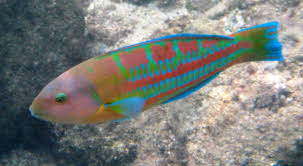
The Christmas Wrasse (Halichoeres claudia) is one of the most visually striking members of the Halichoeres genus, celebrated for its vivid red and jade green patterning that gives it a festive appearance year-round. Beyond its good looks, this active and hardy wrasse is also a surprisingly useful addition to a reef system. Getting the diet right is one of the most important steps to keeping it healthy and displaying its full coloration. Here is what you need to know.
Understanding the Christmas Wrasse’s Natural Diet
In the wild, the Christmas Wrasse inhabits outer barrier reef slopes and rubble zones throughout the Indo-Pacific, including the waters around Fiji, Australia and French Polynesia, at depths of up to 20 meters. It is a carnivore that spends most of its day actively hunting through the substrate and rockwork in search of small crustaceans, molluscs, hard-shelled invertebrates, tubeworms, fireworms and pyramidellid snails.
This natural foraging behavior is one of the species’ most valuable traits for reef keepers. Christmas Wrasses are well known for their ability to seek out and consume nuisance pests including Planaria red flatworms and pyramidellid snails that hitchhike in on corals and live rock. This makes them genuinely useful members of a reef cleanup crew beyond their decorative appeal.
Their short, efficient digestive tract means they burn through food quickly and must eat regularly throughout the day. Replicating frequent small feedings in the aquarium is essential to keeping them energized and preventing them from turning their attention to desirable invertebrates when hungry.
What to Feed a Christmas Wrasse
The Christmas Wrasse is not a fussy eater and will readily accept a wide range of aquarium foods. The key is variety and frequency. A well-rounded diet should include:
Frozen meaty foods such as mysis shrimp, vitamin-enriched brine shrimp, krill and finely chopped prawns, cockle or mussel. These should form the backbone of the diet and be offered at least twice to three times per day in small portions. Soaking frozen foods in a vitamin and fatty acid supplement before feeding is strongly recommended, as these wrasses have very high metabolisms that demand nutrient-dense meals.
High-quality pellets and flake foods formulated for carnivores or omnivores work well as supplemental feeding and can be especially useful when delivered through an auto-feeder for the midday meal.
Live foods such as copepods, amphipods and small bristleworms found naturally in the tank are a bonus. A mature aquarium with healthy live rock will provide ongoing natural feeding opportunities between scheduled meals, reducing stress and encouraging natural foraging behavior.
Algae-based foods should also be offered occasionally, as mixed frozen preparations that contain spirulina or marine algae help round out the nutritional profile and support overall health and color vibrancy.
Feeding Frequency
Feed your Christmas Wrasse at least three times per day, with four feedings being ideal. A small amount fed frequently is far better than one large feeding per day. Their narrow bodies and short digestive tracts are built for continuous grazing, not large bolus meals. Consistent feeding also keeps them from becoming opportunistic hunters of desirable ornamental shrimp or feather dusters in the tank.
Tank Setup to Support Healthy Feeding
A minimum tank size of 50 gallons is recommended, with a fine sandy substrate of 2 to 3 inches deep. This is not just for comfort. Christmas Wrasses bury themselves in the sand at night and when startled. A tank without an adequate sand bed adds unnecessary stress and can actually increase the fish’s food requirements, as burrowing is a significant energy-saving behavior for the species. Provide plenty of live rock for foraging and hunting activity during the day.
A tight-fitting lid is essential as Christmas Wrasses are strong jumpers, particularly when startled.
When sourcing your Christmas Wrasse, choosing a healthy and well-fed specimen from the start makes all the difference. Dr. Reef’s Quarantined Fish ensures every fish is quarantined and confirmed eating before reaching your tank so you are not starting from scratch with a stressed or food-refusing specimen.