
What Should Hobbyists Expect When Setting Up a Dedicated Breeding Tank

What Should Hobbyists Expect When Setting Up a Dedicated Breeding Tank for a Pair of Clownfish?
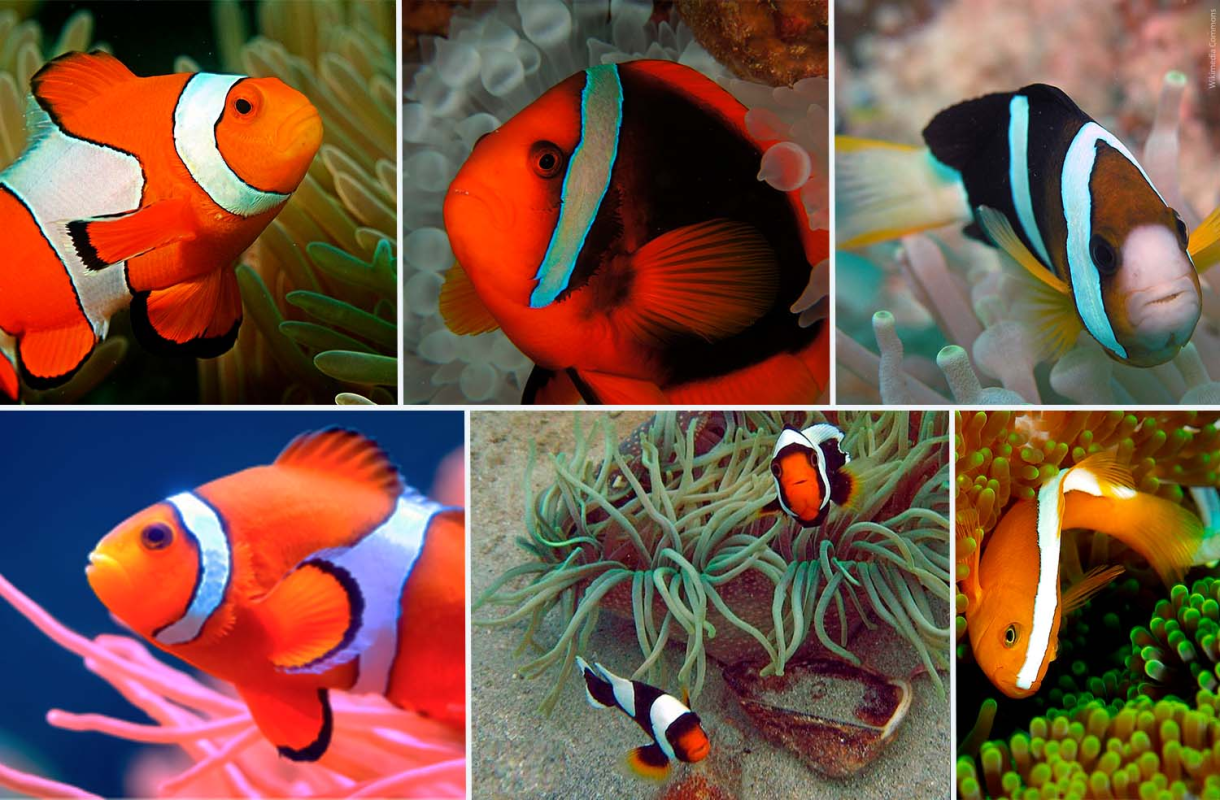
Breeding clownfish is one of the most rewarding projects a saltwater hobbyist can take on, and it’s genuinely more accessible than most people expect. Unlike many marine species, clownfish will spawn in home aquariums with reasonable consistency when their needs are met. But setting up a dedicated breeding tank is not something to rush into without understanding what the process actually involves, from choosing the right pair to managing the first few spawns and raising fry. Here’s what you should realistically expect at each stage.
Start with the Right Pair
The foundation of a successful breeding setup is a healthy, bonded pair. Clownfish are sequential hermaphrodites; all are born male, with the dominant fish in any group becoming female. This means you can introduce two juveniles together and let them pair naturally over time, with the larger one eventually becoming the female. The easier route, especially for breeding projects, is to start with a pre-bonded pair where the social hierarchy is already established, and the pair is actively displaying courtship behavior.
At Dr. Reef’s Quarantined Fish, bonded pairs are available across a wide range of designer clownfish morphs, including the Black Ice Bonded Pair and the Frostbite Frozen Bonded Pair, among others. Starting with a quarantined bonded pair removes a significant amount of uncertainty from the process, since the fish are already healthy, eating well, and socially bonded before they arrive in your system.
The Breeding Tank Setup
A dedicated breeding tank doesn’t need to be large. Most hobbyists use a 20 to 30-gallon system, which gives the pair enough space to establish territory without being so large that managing water quality becomes difficult. The tank should be simple and purpose-driven, with good biological filtration, a reliable heater to maintain a stable temperature, modest lighting on a consistent photoperiod, and a flat spawning surface near the bottom of the tank. A piece of flat rock, a ceramic tile, or even a clay pot laid on its side works perfectly as a spawning site, and the fish will almost always choose it once they’ve claimed the area as their territory.
An anemone is not required for breeding, but many pairs do better with one present. It provides the pair with a natural focal point for their territory, reduces stress, and can encourage spawning behavior. Dr. Reef carries a range of quarantined anemones alongside its clownfish selection, making it easy to add one that suits your setup.
What Spawning Actually Looks Like
Once a bonded pair is settled in a stable environment, spawning can begin within a few weeks to a few months, depending on the age and condition of the female. You’ll notice the pair becoming more territorial, cleaning the spawning surface obsessively, and the male becoming more active and attentive. When eggs are laid, they’re typically a vibrant orange color and deposited in a neat cluster on the cleaned surface. The male fans the eggs constantly to oxygenate them, and both fish will aggressively defend the clutch from any perceived threat.
Eggs hatch after about 6 to 9 days, depending on water temperature. This is where the hobbyist’s work really begins. The larvae need to be transferred to a separate rearing tank with specific lighting, infusoria or rotifers as a first food source, and careful water quality management to survive past the first week. Fry rearing is genuinely the most demanding part of the process and requires research and preparation before the first hatch.
The Patience Part
First-time spawns often fail, and that’s completely normal. The pair may eat the eggs, the larvae may not survive the transition, or the fry may perish before reaching a stable juvenile stage. Experienced breeders universally say that the first few clutches are a learning experience, the pair improves with each spawn, and so does the hobbyist. Perseverance and willingness to adjust are as important as any piece of equipment.
The long-term reward is significant. A healthy bonded pair of clownfish can spawn every two to three weeks indefinitely under good conditions, producing clutches of 100 to 300 eggs per spawn. Once you’ve worked through the initial learning curve, clownfish breeding becomes one of the more manageable and consistently gratifying projects in the marine hobby.
Start with the Best Foundation
The quality of the pair you start with matters enormously. A healthy, quarantined, pre-bonded pair that’s eating confidently and free of disease gives you the strongest possible start to the breeding process. Dr. Reef’s Quarantined Fish carries a wide selection of clownfish from classic Ocellaris pairs to premium designer morphs, all properly quarantined and conditioned before shipping. If you’re ready to start your breeding project, browsing the clownfish collection at Dr. Reef’s Quarantined Fish is the right first step.