
Angelfish for Sale: Best Species for Home Aquariums

Angelfish for Sale: Best Species for Home Aquariums
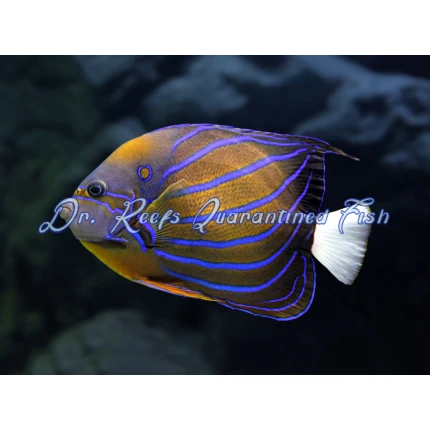
Few fish in the ocean match the elegance of a saltwater angelfish. They are dramatic. They are colorful. They swim with a slow, confident grace that makes every reef tank look like an underwater painting.
But angelfish also have a reputation for being a little unpredictable. Some are reef safe. Some are not. Some are perfect for beginners. Some will make even experienced reef keepers pull their hair out.
Here is exactly what you need to know before buying a saltwater angelfish online.
Marine Angelfish vs Freshwater Angelfish
First, a quick clarification. When reef keepers talk about angelfish, they mean marine angelfish from the family Pomacanthidae. These are completely different from the triangular freshwater angelfish you see in most pet stores.
Marine angelfish are reef fish. They come from coral reefs across the Indo-Pacific and Atlantic oceans. They are some of the most brilliantly colored fish in the ocean and some of the most sought-after species in the home aquarium hobby.
Dwarf Angelfish vs Large Angelfish
Marine angelfish are divided broadly into two groups. Dwarf angelfish from the genus Centropyge and large angelfish which include emperor angels, French angels, and koran angels.
Large angelfish are spectacular but they need big tanks, often 150 gallons or more, and many are not reliably reef safe. They are best left to experienced reef keepers with large systems.
Dwarf angelfish are the better choice for most home reef tanks. They stay smaller, need less space, and are more commonly kept in reef environments. Several species are considered relatively reef safe, though individual personalities can vary.
Best Dwarf Angelfish for Home Reef Tanks
The flame angelfish is one of the most popular marine fish in the entire hobby. It is a brilliant orange-red with vertical black stripes and electric blue edging on the rear fins. It is stunning under reef lighting.
Flame angelfish are active, bold, and relatively hardy. They accept most prepared foods including pellets and frozen mysis. They are considered semi-reef safe, meaning most individuals leave corals alone, but some fish develop a habit of nipping at certain coral species. Adding them to a reef with caution and watching their behavior is the smart approach.
The coral beauty is one of the most commonly kept dwarf angelfish in the hobby for good reason. It is deep purple and blue with orange and gold highlights. It is hardy, eats well, and adjusts to aquarium life more readily than many other angelfish species.
Coral beauties are considered semi-reef safe. Most individuals do fine in reef tanks but like all angelfish, individual behavior varies. They need plenty of rock work with hiding spots and caves to feel secure.
The bicolor angelfish is exactly what the name suggests. The front half of the body is bright yellow. The back half is vivid blue-purple. It is a clean, striking contrast that looks spectacular in a reef tank.
Bicolor angelfish can be slightly more finicky than flame or coral beauty angelfish. They sometimes take longer to accept prepared foods. Buying a quarantined bicolor angelfish that is already confirmed eating is especially important for this species.
Also called the pygmy angelfish, the cherub angelfish is the smallest marine angelfish available in the hobby. It is a deep blue with an orange face. It can be kept in smaller tanks around 30 gallons and is one of the more beginner-accessible angelfish species.
Are Angelfish Reef Safe?
This is the question every reef keeper asks and the honest answer is that it depends on the individual fish.
Most dwarf angelfish are labeled semi-reef safe. The majority of individuals will leave corals, clams, and invertebrates alone. But some individual fish develop a habit of nipping at coral polyps, especially large polyp stony corals and clam mantles.
The safest approach is to add dwarf angelfish to an established reef, watch their behavior closely for the first few weeks, and be prepared to remove them if they start causing damage. Most reef keepers never have a problem. Some do.
Why Quarantined Angelfish Are Worth Every Penny
Angelfish are sensitive to stress. A fish that went through a rough shipping journey and was never properly quarantined is far more likely to refuse food, develop infections, and fail to thrive.
A quarantined angelfish from Dr. Reef’s Quarantined Fish has already passed through the hardest part of the journey. It has been held, observed, and confirmed to be eating prepared foods before it ships to you. That means a much stronger, more confident fish entering your tank.
Dr. Reef’s Quarantined Fish carries dwarf angelfish that arrive healthy, eating, and ready to add stunning color and personality to your reef.
Questions and Answers
Q: Can I keep two dwarf angelfish together?
A: Generally one dwarf angelfish per tank is the safest rule. Two of the same species will almost always fight. Two different species may coexist in a large tank with plenty of rock work but there is always risk of aggression.
Q: Do angelfish eat coral?
A: Large angelfish are often not reef safe and will nip at corals regularly. Dwarf angelfish are semi-reef safe and most individuals leave corals alone. There are no guarantees with individual fish behavior.
Q: How big do dwarf angelfish get?
A: Most dwarf angelfish reach three to four inches as adults. The cherub angelfish is the smallest at around two and a half inches.
Q: What do marine angelfish eat?
A: In the wild, they graze on algae, sponges, and small invertebrates. In captivity, they accept high-quality pellets, frozen mysis, frozen brine shrimp, and dried algae. A varied diet keeps them healthy and their colors vibrant.
Add an Angelfish the Right Way
Saltwater angelfish are among the most rewarding fish you can keep. They add elegance, color, and personality that few other species can match.
Start with a healthy, quarantined specimen from Dr. Reef’s Quarantined Fish and give your reef the fish it deserves.
Visit Dr. Reef’s Quarantined Fish today and find the perfect angelfish for your home aquarium.