
Raccoon Butterflyfish for Sale: Care Requirements, Diet, and Aquarium Compatibility

Raccoon Butterflyfish for Sale: Care Requirements, Diet, and Aquarium Compatibility
Price: $169.99
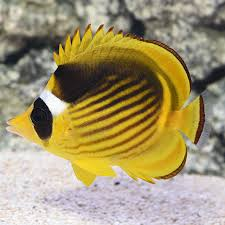
If you are searching for a bold, beautiful, and personality-packed fish for your saltwater aquarium, the Raccoon Butterflyfish is one of the best choices you can make. With its striking black and yellow pattern and the iconic dark mask around its eyes (just like a raccoon), this fish brings a whole new level of energy and color to any tank. At Dr. Reef’s Quarantined Fish, every Raccoon Butterflyfish is fully quarantined, parasite-treated, and trained to eat before it ships to you. Let’s cover everything you need to know.
What Is a Raccoon Butterflyfish?
The Raccoon Butterflyfish, known scientifically as Chaetodon lunula, is a medium-sized saltwater fish native to the Indo-Pacific Ocean, including Hawaii, the Red Sea, and the waters around Japan and Australia. It gets its common name from the distinctive black patches around its eyes that closely resemble a raccoon’s face mask.
Most Raccoon Butterflyfish grow to around 7 to 8 inches in captivity, making them a notable centerpiece fish. They are active swimmers with curious personalities and tend to become one of the most recognizable and interactive fish in any aquarium.
Why Buy From Dr. Reef’s Quarantined Fish?
Buying a Raccoon Butterflyfish is an investment, and you want to make sure that investment is protected from day one.
At Dr. Reef’s Quarantined Fish, the process is different from most sellers. Here is what happens before your fish ships:
- Every fish is held in a dedicated quarantine system for a full observation period
- Each fish is treated proactively for ich, velvet, and flukes using proven medication protocols
- Fish are trained to accept frozen and prepared foods so they are not arriving as picky wild-caught animals
- Only fish that are actively eating, behaving normally, and showing zero signs of stress or illness are approved for shipping
This is not a simple hold-and-ship operation. Dr. Reef genuinely cares about the long-term survival of every fish sold, and that commitment is exactly why thousands of reef keepers keep coming back.
When you pay $169.99 for a Raccoon Butterflyfish from Dr. Reef, you are not just paying for the fish. You are paying for the weeks of care, treatment, and conditioning that goes into making sure your fish arrives ready to thrive.
Raccoon Butterflyfish Care Requirements
Tank Size
Raccoon Butterflyfish are active swimmers that need plenty of open water. A minimum tank size of 75 gallons is recommended, but 100 gallons or more is ideal. They need room to move, explore, and establish territory without feeling cramped.
Water Parameters
Maintaining clean and stable water is key to keeping a Raccoon Butterflyfish healthy:
- Temperature: 72 to 78 degrees Fahrenheit
- Salinity: 1.020 to 1.025 specific gravity
- pH: 8.1 to 8.4
- Ammonia and Nitrite: 0 ppm
- Nitrate: Keep as low as possible, ideally under 20 ppm
Filtration and Flow
Raccoon Butterflyfish are sensitive to poor water quality. A strong filtration system, regular water changes, and moderate water flow will keep them comfortable and healthy. Skimmers and good mechanical filtration are highly recommended.
Aquascape and Hiding Spots
These fish appreciate rockwork with caves, overhangs, and open swimming lanes. They are bold explorers and will check out every corner of your tank. Give them a well-decorated aquascape with enough space to roam freely.
Lighting
Standard marine aquarium lighting works well. Raccoon Butterflyfish are not particularly sensitive to lighting intensity, but they do benefit from a natural day and night cycle to stay comfortable and stress-free.
Raccoon Butterflyfish Diet and Feeding Tips
One of the most important things to understand about Raccoon Butterflyfish is that they are not picky eaters in the wild. They naturally feed on tube worms, small invertebrates, coral polyps, and algae. In captivity, this wide diet means they are generally excellent eaters once adjusted.
What to Feed
- Frozen mysis shrimp (a top staple food)
- Frozen brine shrimp (great as a treat or appetite stimulator)
- Marine pellets designed for carnivorous fish
- Nori or marine algae sheets for plant matter
- Frozen or fresh seafood like clam, shrimp, or mussel meat
- Marine flake food (finely crushed for smaller bites)
Feeding Schedule
Feed two to three times per day in moderate amounts. Raccoon Butterflyfish are active and burn energy throughout the day, so consistent feeding keeps them in good condition. Do not overfeed, as excess food can spike nitrates in your tank.
Dr. Reef Advantage: Because every Raccoon Butterflyfish from Dr. Reef’s Quarantined Fish is already conditioned to eat frozen mysis and prepared foods, you will not have the frustrating experience of dealing with a food-refusing wild-caught fish. Your fish will recognize feeding time right away and eat with confidence.
Aquarium Compatibility
Understanding where a Raccoon Butterflyfish fits in your tank community is important before you buy.
Compatible Tank Mates
Raccoon Butterflyfish are generally peaceful toward most fish of different species. Good tank mates include:
- Tangs and Surgeonfish
- Angelfish (larger species)
- Wrasses
- Clownfish
- Hawkfish
- Rabbitfish
- Larger Damsels
- Cardinalfish
They do best with fish of similar size or slightly larger. Avoid pairing them with very small, timid fish that might be overwhelmed by their active presence.
Can You Keep Multiple Raccoon Butterflyfish?
Yes, with care. Raccoon Butterflyfish can sometimes be kept in pairs if they are introduced at the same time and the tank is large enough. They may show aggression toward other Butterflyfish species, so mixing different Butterflyfish together requires a large tank and close monitoring.
Avoid These Tank Mates:
- Very aggressive fish like large Triggers or Lionfish (risk of injury to the Butterflyfish)
- Extremely timid nano fish that may be stressed by the Raccoon’s active swimming behavior
Coral and Reef Compatibility
This is the most important section for reef keepers to read carefully.
Raccoon Butterflyfish are NOT considered reef-safe. In the wild, they naturally eat coral polyps, and that behavior does not disappear in captivity. They will likely pick at and eat:
- Stony corals (SPS and LPS)
- Soft corals
- Feather dusters and tube worms
- Ornamental shrimp and small invertebrates
This does not mean the Raccoon Butterflyfish is a bad fish. It simply means it is best suited for a Fish-Only With Live Rock (FOWLR) setup rather than a full reef tank. In a FOWLR system, these fish are absolutely spectacular. They explore the rockwork, interact with their owners, develop strong personalities, and grow into stunning display animals.
If you have a FOWLR tank or are setting one up, the Raccoon Butterflyfish is one of the very best choices you can make. It is colorful, hardy, and full of life.
Common Health Issues and How Dr. Reef Prevents Them
Raccoon Butterflyfish, like all saltwater fish, are vulnerable to several common diseases:
Marine Ich (Cryptocaryon irritans): Appears as white spots on the body and fins. One of the most common and dangerous diseases in reef fish keeping.
Marine Velvet (Amyloodinium ocellatum): A highly contagious parasite that can kill fish in just a few days. Looks like a fine gold or rust-colored dusting on the body.
Flukes (Trematodes): Parasites that attach to the skin and gills and can cause breathing problems and irritation.
Brooklynella: A fast-moving ciliate parasite that sometimes affects Butterflyfish, particularly those already stressed from shipping.
At Dr. Reef’s Quarantined Fish, every fish is treated prophylactically for all of these conditions before shipping. You do not have to wonder or hope. By the time your Raccoon Butterflyfish arrives at your door, it has already been through a complete treatment protocol. This is the single most important reason to buy from a trusted quarantine source rather than a fish that has been pulled from the ocean and rushed into a bag.
Setting Up Your Tank Before Your Fish Arrives
Getting your tank ready before your Raccoon Butterflyfish arrives will make the transition smooth and stress-free.
- Confirm all water parameters are stable and within range
- Make sure your filtration system is running properly
- Have frozen mysis shrimp ready for its first feeding
- Set up your aquascape with open swimming lanes and hiding spots
- Use the drip acclimation method when the fish arrives (30 to 60 minutes is ideal)
- Dim the lights for the first few hours after introduction to reduce stress
- Do not add other new fish at the same time, let your Raccoon Butterflyfish settle in first
Because Dr. Reef’s fish are already quarantined and treated, you do not need to set up a separate hospital tank or run your own treatment protocol. That is one less thing to stress about.
Frequently Asked Questions
- Is a Raccoon Butterflyfish good for beginners?
Yes, it is one of the more beginner-friendly Butterflyfish species. It is hardier than many others, eats well, and adjusts to aquarium life without too much difficulty, especially when purchased already quarantined from Dr. Reef.
- How long does a Raccoon Butterflyfish live?
In a well-maintained aquarium, they can live 5 to 10 years or longer. Proper diet, clean water, and a stress-free environment are the biggest factors.
- Can a Raccoon Butterflyfish live in a reef tank?
It is not recommended. They will eat coral polyps and invertebrates. They thrive best in a FOWLR setup.
- Why is the price $169.99?
The price reflects the full quarantine process, proactive parasite treatment, conditioning to prepared foods, and the guarantee that you are receiving a healthy and stable fish. Cheap fish from unquarantined sources often end up costing far more in the long run through disease losses and treatment costs.
- Does Dr. Reef’s offer a live arrival guarantee?
Yes. Dr. Reef’s Quarantined Fish stands behind every animal they ship. Check the website for the most current guarantee and shipping policy details.
Final Thoughts
The Raccoon Butterflyfish is one of the most iconic and rewarding saltwater fish you can add to your aquarium. It is bold, beautiful, personable, and surprisingly hardy compared to other Butterflyfish species. At $169.99, a fully quarantined and conditioned Raccoon Butterflyfish from Dr. Reef’s Quarantined Fish is a smart, long-term investment in your aquarium.
You are not just buying a fish. You are buying weeks of expert care, professional treatment, and the confidence that comes from knowing your fish is healthy, eating well, and ready to be a long-term member of your aquarium family.
Visit Dr. Reef’s Quarantined Fish today and see if the Raccoon Butterflyfish is available. Stock moves fast, so do not wait too long.