
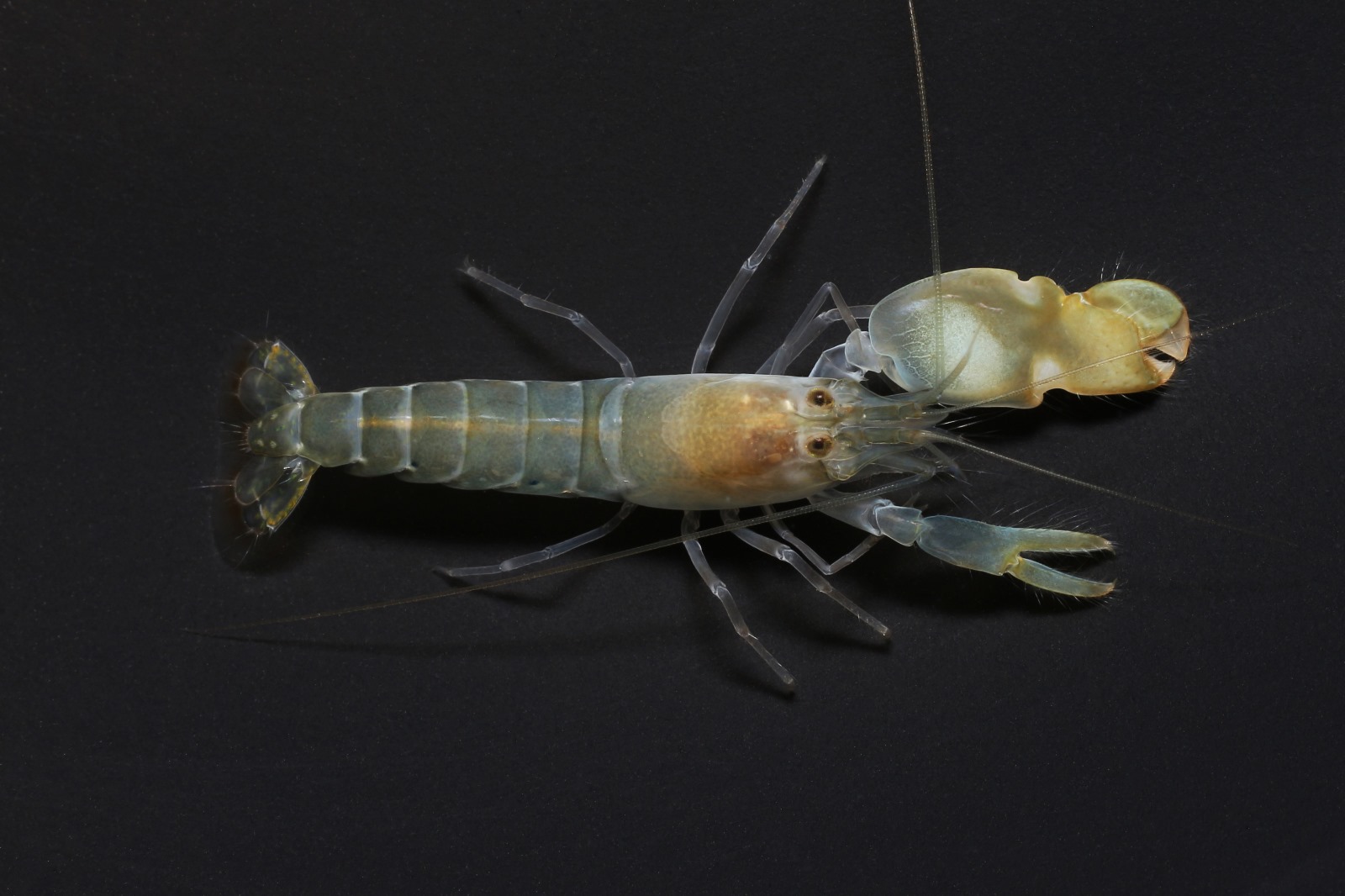
Pistol Shrimp
$21.99
Alpheus spp.
| Care Level | Easy to Moderate |
| Temperament | Peaceful but territorial |
| Color Form | Varies by species (often striped, spotted, or camouflaged) |
| Diet | Omnivore |
| Reef Compatible | Yes |
| Water Conditions | 72–78°F, SG 1.023–1.025, pH 8.1–8.4 |
| Max Size | 2″ |
| Family | Alpheidae |
| Minimum Tank Size | 10 gallons |
Pistol Shrimp
Also known as Snapping Shrimp, Alpheid Shrimp
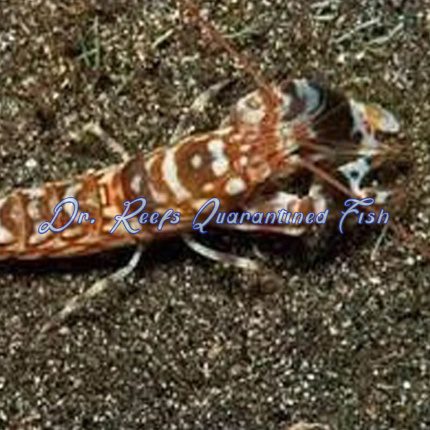
Pistol Shrimp (genus Alpheus) are fascinating crustaceans famous for their ability to produce a loud snapping sound by rapidly closing their specialized claw. Many species form symbiotic relationships with gobies, making them popular choices for reef aquariums. This profile covers general care for common Alpheus species in the aquarium trade.
Key Features
- Scientific Name: Alpheus spp. (multiple species)
- Common Names: Pistol Shrimp, Snapping Shrimp, Symbiotic Shrimp
- Adult Size: 1.5–2 inches depending on species
- Lifespan: 3–4 years with proper care
- Temperament: Generally peaceful; territorial toward conspecifics
- Reef Compatibility: Reef safe – will not harm corals or most invertebrates
- Minimum Tank Size: 10 gallons minimum; 20+ gallons for pairs or with goby partners
- Experience Level: Easy to Moderate – hardy and interesting
Habitat & Tank Requirements
- Tank Environment: Provide fine sand substrate (2–3 inches deep) for burrowing. Include rubble rock and small pieces of live rock for burrow structure. Open sand areas essential. Moderate flow – not too strong near burrow entrance.
- Water Parameters:
- Temperature: 72–78°F (22–26°C)
- Salinity: 1.023–1.025
- pH: 8.1–8.4
- Maintain good water quality with regular maintenance
- Equipment Recommendations:
- Standard filtration
- Protein skimmer recommended
- Gentle to moderate water flow
- Secure lid – though rarely jumpers, they can escape through openings
Diet & Feeding
Pistol Shrimp are opportunistic omnivores and scavengers:
- Staples: High-quality sinking pellets, frozen mysis shrimp, frozen brine shrimp, finely chopped seafood
- Supplemental: Flake food, leftovers from fish feeding, algae and detritus
- Feeding Frequency: Once daily; small amounts
- Special Note: Often emerge from burrows during feeding time. If paired with goby, the goby may bring food to the burrow entrance.
Social Structure & Behavior
- Goby Symbiosis: Many species form partnerships with shrimp gobies (Amblyeleotris, Cryptocentrus, Stonogobiops species). The nearly-blind shrimp maintains the burrow while the goby acts as lookout. Physical contact through antennae provides communication.
- Burrowing Behavior: Constant excavators that will rearrange sand and create elaborate tunnel systems
- Snapping Sound: Produces loud popping/cracking sounds (can exceed 200 decibels underwater) by rapidly closing specialized claw
- Territoriality: Peaceful toward other species but may fight with other pistol shrimp unless properly paired
- Activity: Primarily active during day; may hide at night in burrow
Notes & Considerations
- The snapping sound can be surprisingly loud and may be heard outside the aquarium.
- Their burrowing activity can cause minor avalanches in rockwork – ensure stable aquascaping.
- Will move sand away from areas, potentially exposing tank bottom or undermining structures.
- Best observed when paired with compatible goby species – fascinating symbiotic relationship.
- Nearly blind; relies on tactile antennae contact with goby partner for awareness of surroundings.
- May occasionally catch and consume very small fish or invertebrates, though this is uncommon.
- Like all invertebrates, sensitive to copper-based medications.
- Molts regularly; vulnerable immediately after molting.
- Some species are more boldly colored than others; identify specific species when possible.
- Can regenerate lost claws, though it may take several molts.
Why Choose a Quarantined Pistol Shrimp?
Purchasing a quarantined specimen from us means you’re receiving a healthy, well-acclimated shrimp that has demonstrated normal burrowing behavior and feeding response. Our specimens are observed for activity and compatibility, and when available, can be paired with appropriate goby species for an instant symbiotic relationship in your aquarium.
You must be logged in to post a review.
Related products
Reviews
There are no reviews yet.