
Peppermint Shrimp for Sale: Aiptasia Control, Care Tips, and Reef Compatibility

Peppermint Shrimp for Sale: Aiptasia Control, Care Tips, and Reef Compatibility
Sometimes, the most valuable addition to a reef tank is not a dramatic centerpiece fish or a rare coral. Sometimes it is a small, busy, hardworking shrimp that quietly solves one of the most frustrating problems in the reef hobby. The Peppermint Shrimp is exactly that. Useful, attractive, and completely reef-friendly, the Peppermint Shrimp earns its place in any reef system. Dr. Reef has healthy, quarantined Peppermint Shrimp ready to go right now. Here is everything you need to know.
What Is a Peppermint Shrimp?
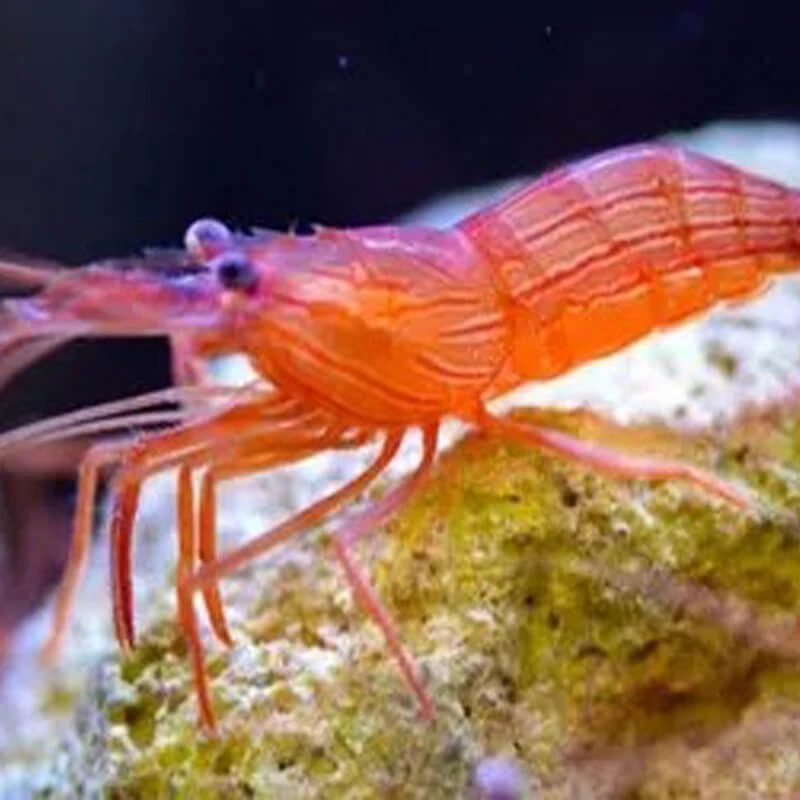
The Peppermint Shrimp, known scientifically as Lysmata wurdemanni, is a small saltwater shrimp native to the Caribbean and Western Atlantic. It grows to about two inches in length and has a pale, semi-transparent body marked with red and white stripes that run lengthwise along the abdomen, giving it the candy cane appearance that inspired its common name.
It is an active, social, and completely peaceful invertebrate that spends its days picking through rockwork and substrate in search of food. It is reef safe, non-aggressive, and compatible with a very wide range of marine fish and invertebrates. But the reason reef keepers specifically seek out the Peppermint Shrimp goes beyond its appearance and peaceful nature. The Peppermint Shrimp eats Aiptasia.
Aiptasia Control: Why This Matters So Much
Aiptasia is a genus of small pest anemones that are among the most universally dreaded problems in the reef hobby. They are sometimes called glass anemones or rock anemones, and once they establish themselves in a reef tank, they spread with alarming speed. A single Aiptasia polyp can reproduce asexually, creating new polyps from fragments of its own tissue. A small infestation can become a tank-wide problem in a matter of weeks.
Aiptasia are not just unsightly. They actively sting and damage corals, invertebrates, and even fish that venture too close to their powerful nematocysts. Removing them manually often makes the problem worse because any tissue fragment left behind can generate a new polyp. Chemical treatments work on individual polyps but rarely address a full infestation completely.
The Peppermint Shrimp offers a natural, reef-safe biological solution. Peppermint Shrimp actively seek out and eat Aiptasia polyps, including the tissue base that manual removal tends to leave behind. A group of well-fed Peppermint Shrimp introduced to a tank with an Aiptasia problem will systematically work through the infestation over days and weeks, often clearing a moderate Aiptasia problem completely without any chemical intervention.
For best results with Aiptasia control, introduce a group of at least three to five Peppermint Shrimp simultaneously. A single shrimp rarely has enough impact on a significant infestation. Multiple shrimp working together cover more ground and address the problem far more effectively.
It is worth noting that not all shrimp sold as Peppermint Shrimp are the same species, and not all species eat Aiptasia reliably. Lysmata wurdemanni is the species with the established track record for Aiptasia control. Dr. Reef ensures the Peppermint Shrimp available are the correct species, so you get the biological control benefit you are counting on.
Care Tips
The Peppermint Shrimp is a hardy and adaptable invertebrate that does well in a wide range of reef aquarium conditions. It is one of the easier invertebrates to keep and a great choice for reef keepers at all experience levels.
Maintain water temperature between 72 and 78 degrees Fahrenheit, salinity at 1.025, and stable pH between 8.1 and 8.4. The most important water quality factor for all shrimp is the avoidance of copper. Copper-based medications are lethal to all invertebrates, including shrimp, even in very small concentrations. Never use copper treatments in a system that houses Peppermint Shrimp or any other invertebrate.
Stable parameters matter more than perfect parameters for this species. Rapid swings in salinity, temperature, or pH cause more stress and mortality in shrimp than parameters that are slightly outside the ideal range but consistent.
Acclimate Peppermint Shrimp slowly when introducing them to a new tank. A drip acclimation over 45 to 60 minutes gives the shrimp time to adjust to the specific water chemistry of your system before being released. Shrimp are significantly more sensitive to parameter differences than most fish, and rushing acclimation is one of the most common causes of loss in newly purchased invertebrates.
Feeding
The Peppermint Shrimp is an opportunistic omnivore that scavenges constantly throughout the day. In a healthy reef tank with good live rock and a natural microfauna population, Peppermint Shrimp find plenty of food on their own through natural scavenging.
Supplemental feeding with small amounts of meaty frozen foods a few times per week keeps the shrimp in top condition and actively foraging. Small pieces of mysis shrimp, brine shrimp, and reef-specific powdered foods all work well. A well-nourished Peppermint Shrimp is a more active Aiptasia hunter, a more vibrant animal, and a longer-lived member of your reef cleanup crew.
Peppermint Shrimp are also simultaneous hermaphrodites, meaning every individual has both male and female reproductive organs. In a group, pairs will regularly produce eggs, and the shrimp will breed readily in a home aquarium. The larvae are extremely tiny and rarely survive in a display tank, but the breeding activity itself is interesting to observe and indicates a happy, healthy group.
Reef Compatibility
The Peppermint Shrimp is one of the most completely reef-safe invertebrates available in the hobby. It is harmless to corals, clams, fish, and virtually all other reef inhabitants. It spends its time scavenging and cleaning rather than competing with or threatening anything else in the system.
The main compatibility concern runs the other direction. Many fish eat shrimp. Any fish known to prey on small crustaceans, including Hawkfish, Triggerfish, Puffer Fish, larger Wrasses, and similar species, will eat Peppermint Shrimp. Before adding Peppermint Shrimp to your tank, confirm that your existing fish population is shrimp-safe.
Peppermint Shrimp coexist peacefully with other shrimp species, including Cleaner Shrimp and Fire Shrimp. They work well as part of a diverse invertebrate cleanup crew and contribute to the overall biological health of the reef through their constant scavenging activity.
Why Buy Your Peppermint Shrimp from Dr. Reef?
Dr. Reef’s Quarantined Fish applies the same careful quarantine and observation standard to every Peppermint Shrimp as it does to every fish in the collection. Each shrimp is confirmed healthy and active before it ships. You receive shrimp that are in excellent condition, properly acclimated to aquarium life, and ready to get to work in your reef from the moment they are introduced.
Buying Peppermint Shrimp from Dr. Reef also means buying the correct species for Aiptasia control. That distinction matters enormously when you are counting on these animals to solve a real problem in your tank.