
Nudibranch

Nudibranch for Sale: Stunning Sea Slugs for Reef Enthusiasts
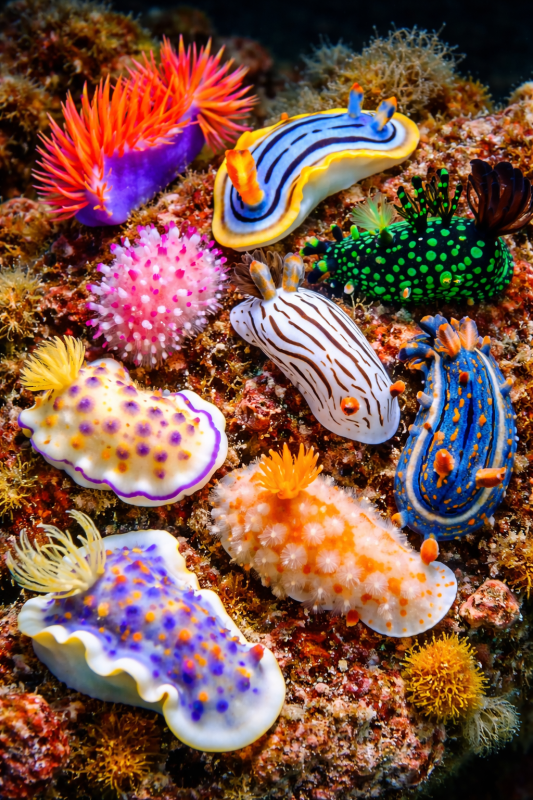
Few creatures in the marine world inspire the kind of immediate visual wonder that nudibranchs do. These shell-less mollusks have evolved some of the most extraordinary color displays in the animal kingdom, from electric blues and vivid oranges to intricate patterns that look more like abstract art than biology. For the reef enthusiast who wants to explore the more specialized side of the hobby, nudibranchs represent a genuinely unique and rewarding challenge. At Dr. Reef, nudibranchs are offered with full transparency about their care requirements, sourced responsibly, and made available through a careful handling process that gives these sensitive animals the best possible start in your system.
Understanding Nudibranchs
Nudibranchs are soft-bodied, shell-less gastropod mollusks found in oceans across the world, from shallow tide pools to deep reef slopes. The name nudibranch comes from the Latin and Greek for “naked gills,” referring to the exposed gill plumes or cerata that many species display on their backs. There are more than 3,000 described species, ranging from a few millimeters to over a foot in length, and they occupy an enormous range of ecological niches.
Their striking coloration serves a direct purpose. Many nudibranchs sequester toxins from the prey they consume and advertise this chemical defense through vivid warning colors, a strategy known as aposematism. Others use color to blend into the specific corals, sponges, or algae they feed on exclusively. This extraordinary diversity of appearance and strategy is a large part of what makes nudibranchs so compelling to hobbyists and marine biologists alike.
The Most Critical Thing to Understand Before Buying a Nudibranch
Nudibranchs are not generalist feeders. The vast majority of species have an extremely specific diet tied to a single prey item, often a particular species of sponge, coral, bryozoan, or algae. Without access to their specific food source in your aquarium, most nudibranchs will slowly starve regardless of how pristine your water quality is.
This dietary specificity is not a problem to overlook or work around. It is the foundational factor that determines whether a nudibranch can survive in captivity. At Dr. Reef, every nudibranch species offered for sale is selected based on whether a practical food source can realistically be maintained in a home aquarium. Species that cannot be sustained long term are not listed, because responsible husbandry starts before the sale.
The most commonly available and sustainable nudibranch species for home aquariums include algae-eating species such as Elysia crispata (the Lettuce Sea Slug), which feeds on the internal contents of green algae and can be sustained on cultivated macroalgae, and certain dorid nudibranchs that feed on sponges present in well-established reef systems.
Tank Setup and Water Quality
Nudibranchs require excellent, stable water quality with very low nitrates and phosphates. They are intolerant of water chemistry fluctuations and will deteriorate quickly in tanks with inconsistent parameters. A well-established reef system of at least six months is strongly recommended before introducing a nudibranch.
Target parameters of salinity at 1.025, a temperature between 72 and 77 degrees Fahrenheit, pH between 8.1 and 8.4, and nitrates below 5 ppm give nudibranchs the best environment for survival. Strong mechanical and biological filtration with consistent maintenance is essential.
Nudibranchs are very sensitive to copper and many other medications. A copper-free system is mandatory, which is another reason purchasing from Dr. Reef’s copper-free quarantine operation is particularly important for these animals. Nudibranchs introduced into a system that has ever had copper treatment are at serious risk even if copper is no longer detectable with standard test kits.
Handling and Acclimation
Nudibranchs are among the most delicate animals in the marine hobby and must be acclimated slowly and carefully. A drip acclimation of at least 60 to 90 minutes is recommended, keeping the animal away from air exposure throughout the process. Any contact with air can cause serious tissue damage. When transferring the nudibranch to your tank, allow it to crawl onto a surface on its own rather than being handled or dropped.
At Dr. Reef’s Quarantined Fish, nudibranchs are packaged and shipped using methods specifically designed to minimize stress and maintain stable water conditions during transit. The care taken at the shipping stage is part of what makes Dr. Reef a trusted source for these sensitive animals.
Compatibility and Tank Placement
Nudibranchs should be kept with peaceful, non-predatory fish that will not harass or nip at them. Aggressive or curious fish like large angelfish, puffers, and triggers will almost certainly harm or consume nudibranchs. Small, peaceful reef fish such as clownfish, small gobies, and dartfish are much safer companions.
Many nudibranchs are best kept in species-specific or invertebrate-focused systems where competition for food is minimized and no fish are present to disturb them. For hobbyists willing to set up a dedicated nano reef with the appropriate food source, nudibranchs can be among the most spectacular and rewarding animals in the hobby.
A Rewarding Challenge for the Dedicated Enthusiast
Nudibranchs are not the right choice for every hobbyist, and Dr. Reef is committed to making sure customers understand what these animals need before making a purchase. For the reef enthusiast who is prepared to meet their specific requirements, however, nudibranchs offer a level of visual beauty and biological fascination that almost nothing else in the hobby can match. Browse the nudibranch species currently available at Dr. Reef and discover whether one of these extraordinary creatures is the right addition to your system.