
Live Mantis Shrimp for Sale: Species Guide, Care Requirements, and Tank Setup

Live Mantis Shrimp for Sale: Species Guide, Care Requirements, and Tank Setup
If you have been in the saltwater hobby for any amount of time, you have probably heard stories about Mantis Shrimp. They punch through glass. They glow like a rainbow. They are smarter than most fish. Some of those stories are exaggerated. Most of them are not. Mantis Shrimp are genuinely one of the most extraordinary animals on the planet, and keeping one in a dedicated aquarium is an experience unlike anything else in the marine hobby. At Dr. Reef’s Quarantined Fish, we offer fully quarantined, healthy, and eating Mantis Shrimp ready to ship directly to your door. Let’s cover everything you need to know.
Current Mantis Shrimp and Shrimp Availability at Dr. Reef’s Quarantined Fish
Before diving into the care guide, here is what is currently available in the Inverts and Shrimps category:
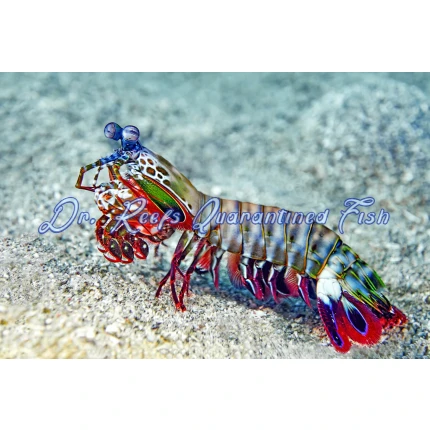
Peacock Mantis Shrimp: The most iconic and colorful Mantis Shrimp in the hobby. A stunning, smashing species with explosive power and brilliant coloration. Price: $149.99 Shop Peacock Mantis Shrimp
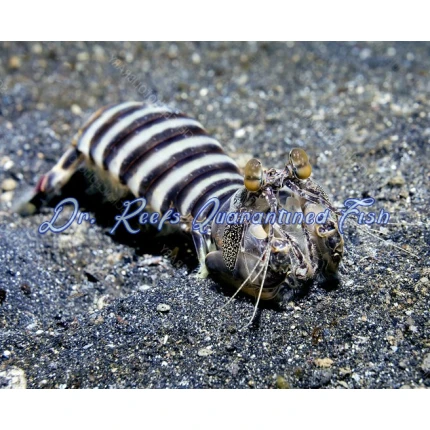
Zebra Mantis Shrimp: A longer, spearing species with striking striped patterning and fascinating hunting behavior. A rarer find and a true collector’s animal. Price: $179.99 Shop Zebra Mantis Shrimp
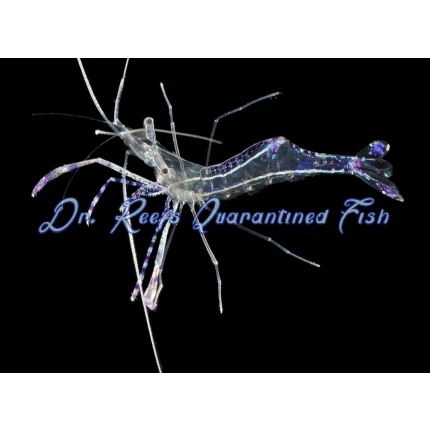
Pederson Cleaner Shrimp: A beautiful, peaceful, and reef-safe cleaner shrimp that is perfect for community reef tanks. A great addition alongside fish and corals. Price: $34.99 Shop Pederson Cleaner Shrimp
All inverts available at Dr. Reef go through a proper quarantine process before shipping. Browse the full invert and shrimp collection here: Inverts (QT’ed) Shrimps
What Is a Mantis Shrimp?
Despite the name, Mantis Shrimp are not actually shrimp. They belong to the order Stomatopoda, a group of marine crustaceans that have been around for over 400 million years. They are ancient, highly evolved, and astonishingly capable animals.
There are over 450 known species of Mantis Shrimp, but in the aquarium hobby, they generally fall into two main categories based on how they hunt:
Smashers: These species use a heavily calcified club-like appendage called a dactyl club to smash prey with one of the fastest and most powerful strikes in the animal kingdom. The Peacock Mantis Shrimp is the most well-known smasher. Their strike has been measured at over 50 miles per hour and can generate forces comparable to a bullet. Yes, that is real.
Spearers: These species use sharp, barbed appendages to stab and impale soft-bodied prey like fish and worms. The Zebra Mantis Shrimp is a spearer. They are longer and more slender than smashers and tend to be ambush hunters that strike from burrows.
Both types are fascinating to keep, but they require species-specific setups and feeding approaches, which we will cover in detail below.
Why Buy From Dr. Reef’s Quarantined Fish?
Mantis Shrimp are surprisingly hardy animals once they are settled and eating, but the transition from collection to your tank is where problems happen. Stress, parasites, and starvation during shipping and holding are the most common reasons Mantis Shrimp fail in captivity.
At Dr. Reef’s Quarantined Fish, every invert, including Mantis Shrimp, goes through a full quarantine process before shipping. Here is what that means for you:
- Every animal is observed during a dedicated quarantine period for signs of stress, injury, or illness
- Animals are conditioned to accept frozen and prepared foods before they ship
- Parasites and pathogens are treated proactively, so your pet arrives clean
- Only animals that are actively feeding, moving normally, and showing excellent body condition are cleared for shipping
When you buy a Mantis Shrimp from Dr. Reef, you are not getting a wild-caught animal rushed straight from a collection bag into a shipping box. You are getting an animal that has been properly cared for, observed, and prepared to thrive in your tank.
That is the Dr. Reef difference, and it is exactly why hobbyists across the country trust Dr. Reef’s Quarantined Fish for specialty invertebrates that are genuinely hard to find in good condition anywhere else.
Peacock Mantis Shrimp: Species Guide
Scientific Name: Odontodactylus scyllarus
Common Names: Peacock Mantis Shrimp, Harlequin Mantis Shrimp, Clown Mantis Shrimp
Origin: Indo-Pacific Ocean, from East Africa to Hawaii, commonly found in shallow reef environments at depths of 3 to 40 meters
Adult Size: 3 to 7 inches, with most aquarium specimens reaching 4 to 6 inches
Lifespan: 3 to 6 years with proper care
Type: Smasher
Temperament: Highly aggressive toward any tank mate. Must be kept alone in a species-only tank.
Colors: One of the most visually stunning animals in the marine hobby. The body displays vivid combinations of green, red, orange, blue, and purple. The compound eyes are independently movable and show iridescent colors that change with viewing angle.
Vision: Peacock Mantis Shrimp have 16 types of color receptors in their eyes. Humans have 3. They can see ultraviolet and infrared light and perceive colors that are completely invisible to us. Keeping one is like housing an alien intelligence in your aquarium.
Zebra Mantis Shrimp: Species Guide
Scientific Name: Lysiosquillina maculata
Common Names: Zebra Mantis Shrimp, Giant Mantis Shrimp, Striped Mantis Shrimp
Origin: Indo-Pacific Ocean, found in sandy and muddy substrate in shallow coastal waters
Adult Size: 10 to 15 inches, making them the largest commonly kept Mantis Shrimp species in the hobby
Lifespan: 5 to 8 years with proper care
Type: Spearer
Temperament: Aggressive predator. Must be kept alone. They are more reclusive than Peacock Mantis Shrimp and spend most of their time inside burrows.
Appearance: Long, slender body with bold black and white zebra-like striping and vivid compound eyes. An absolutely striking animal that looks prehistoric and futuristic at the same time.
Behavior: Zebra Mantis Shrimp are ambush predators that construct deep burrows in sand. They wait just inside the entrance of the burrow and strike at fish or shrimp that pass within range. In a tank with a deep sand bed and patience, watching this behavior is one of the most fascinating things you can observe in the hobby.
Price: $179.99 reflects the rarity of this species in captivity and the additional size and specialized care it requires.
Pederson Cleaner Shrimp: Species Guide
Scientific Name: Ancylomenes pedersoni
Common Names: Pederson Cleaner Shrimp, Pederson’s Cleaner Shrimp
Origin: Caribbean Sea and Western Atlantic, commonly associated with anemones in shallow reef environments
Adult Size: 0.5 to 1 inch
Lifespan: 2 to 3 years with proper care
Type: Peaceful cleaner species
Temperament: Completely peaceful. Reef-safe. Compatible with most community saltwater tanks.
Appearance: Translucent body with vivid purple and white spotted patterning. Extraordinarily delicate and beautiful under reef lighting.
Behavior: In the wild, Pederson Cleaner Shrimp set up cleaning stations, often near anemones, where fish line up to have parasites removed from their bodies, gills, and mouths. In a reef tank they perform the same service, helping keep your fish healthier while adding life and movement to your aquascape.
Price: $34.99 makes the Pederson Cleaner Shrimp one of the most affordable and rewarding invertebrates Dr. Reef offers.
Care Requirements for Mantis Shrimp
The Peacock and Zebra Mantis Shrimp share similar water parameter needs but have important differences in tank setup and feeding. We will cover shared requirements first and then break down the species-specific differences.
Water Parameters for All Mantis Shrimp
- Temperature: 72 to 82 degrees Fahrenheit
- Salinity: 1.023 to 1.026 specific gravity
- pH: 8.1 to 8.4
- Ammonia and Nitrite: 0 ppm
- Nitrate: Under 20 ppm, lower is always better
- Dissolved Oxygen: High, strong surface agitation recommended
Mantis Shrimp are sensitive to poor water quality. Stable parameters and consistent water changes are the foundation of long-term success with these animals.
Tank Setup: Peacock Mantis Shrimp
Tank Size
A single Peacock Mantis Shrimp can be kept comfortably in a 30-gallon tank. A 40 to 55-gallon system gives them more room to explore and makes it easier to maintain stable water quality. They do not need a massive tank, which is one of the reasons they are so popular as dedicated species tanks.
Substrate
Peacock Mantis Shrimp are smashers that tend to use rock crevices and caves as dens rather than burrowing deeply into sand. A moderate sand bed of 1 to 2 inches works well. They will rearrange the substrate to suit themselves, which is completely normal behavior.
Aquascape and Hiding Spots
Rock structures with caves, overhangs, and crevices are essential. The Peacock Mantis Shrimp will choose a den and defend it aggressively. Provide several cave options and let the animal decide which one it prefers. A tank that feels open and exposed causes chronic stress.
Tank Construction
This is the famous concern with Mantis Shrimp. Peacock Mantis Shrimp have been documented cracking standard aquarium glass with repeated strikes. This is most likely to happen when the animal is stressed or placed against a glass wall. Using acrylic tanks reduces this risk significantly, as acrylic absorbs impact better than glass. If you use a glass tank, standard aquarium glass of appropriate thickness (at least half an inch for a 40-gallon system) is generally safe in normal conditions. Avoid allowing the animal to establish a den directly against the glass panels.
Tank Cover
A secure lid is required. Mantis Shrimp are escape artists and will find any gap large enough to squeeze through.
Tank Setup: Zebra Mantis Shrimp
Tank Size
Because Zebra Mantis Shrimp can reach 12 to 15 inches in length, they need more space than a Peacock. A 55-gallon minimum is recommended, with a 75-gallon or larger being ideal for a full-grown adult. The tank footprint matters more than the volume. Long tanks with a large sand bed area are strongly preferred.
Substrate
This is the most critical element of a Zebra Mantis Shrimp tank. They are deep burrowers and need a sand bed of at least 6 to 8 inches deep to construct proper burrows. Use fine aragonite sand or a similar soft substrate. Without adequate burrowing depth, Zebra Mantis Shrimp become chronically stressed and rarely come out to be seen.
Aquascape
Keep rockwork to the back and sides of the tank. The center of the tank should be open sand for burrowing. You can place a few rocks near the sand to give the animal additional burrowing anchor points, which they use to stabilize burrow entrances.
Lighting
Zebra Mantis Shrimp are primarily nocturnal hunters. Subdued lighting or a dawn and dusk cycle encourages more visible activity. Many keepers add a red LED nighttime light so they can watch the animal at night without disturbing its natural behavior.
Feeding Guide: Peacock Mantis Shrimp
Peacock Mantis Shrimp are smashers that target hard-shelled prey in the wild. Replicating that diet keeps them healthy and also satisfies their natural hunting behavior.
What to Feed
- Frozen shrimp with the shell on (one of the best staple foods)
- Frozen clams in the half shell (they absolutely love these)
- Frozen crabs or crab legs
- Live snails and small hermit crabs (excellent enrichment feeding)
- Frozen scallops
- Frozen krill
Feeding Schedule
Feed every other day or three times per week. Drop food near the entrance of their den using long tongs. Never place your hand in the tank during feeding. A Peacock Mantis Shrimp strike on human fingers causes serious injury.
Feeding Enrichment
One of the great joys of keeping a Peacock Mantis Shrimp is watching it smash prey. Dropping a live snail or small clam near the den entrance and watching the animal emerge, assess the prey, and deliver a lightning-fast strike is one of the most spectacular feeding behaviors in the entire hobby.
Feeding Guide: Zebra Mantis Shrimp
Zebra Mantis Shrimp are spearers that target soft-bodied prey in the wild. Their diet in captivity should reflect this.
What to Feed
- Frozen feeder shrimp or grass shrimp
- Frozen silversides or small whole fish
- Live ghost shrimp (excellent for triggering natural hunting behavior)
- Frozen mysis shrimp
- Frozen squid pieces
- Small pieces of fresh fish fillet
Feeding Schedule
Feed two to three times per week. Use long tongs to present food near the burrow entrance. Zebra Mantis Shrimp are ambush hunters and prefer food presented close to their burrow rather than dropped in the open water.
Patience Is Key
Zebra Mantis Shrimp can be shy feeders at first, especially in a new tank. Give the animal time to settle into its burrow and establish territory before expecting confident feeding behavior. A food-conditioned animal from Dr. Reef’s Quarantined Fish will adapt much faster than a wild-caught specimen that has never seen prepared foods before.
Care Requirements: Pederson Cleaner Shrimp
The Pederson Cleaner Shrimp is a completely different animal from the Mantis Shrimp species above. It is peaceful, reef-safe, and easy to care for.
Tank Size
A Pederson Cleaner Shrimp can live happily in tanks as small as 10 gallons. They do well in any size reef or community saltwater system.
Anemone Association
In the wild, Pederson Cleaner Shrimp are almost always found living near or on anemones, particularly Corkscrew Anemones and Branching Anemones. In captivity, they can thrive without an anemone, but providing one gives them a natural home base and encourages their most interesting cleaning station behavior. They are compatible with Bubble Tip Anemones and many other common reef anemone species.
Diet
Pederson Cleaner Shrimp feed on parasites removed from fish as well as small food particles in the water column. In a well-fed reef tank, they generally find enough food on their own. You can supplement with finely crushed flake food, frozen cyclops, or coral foods that are fine enough for them to consume.
Tank Mates
Pederson Cleaner Shrimp are safe with nearly all peaceful reef fish. Avoid housing them with predatory fish like Hawkfish, Groupers, Lionfish, or large Wrasses that may eat them. They are completely safe with corals and other invertebrates.
Molting
Like all crustaceans, Pederson Cleaner Shrimp molts periodically as they grow. After molting, they are temporarily soft and vulnerable. Ensure adequate calcium and iodine levels in your reef water to support healthy molting. Do not remove the shed exoskeleton immediately, as the shrimp will often eat it to recover valuable minerals.
Common Health Issues and How Dr. Reef Prevents Them
Parasitic Infections: External parasites can affect both Mantis Shrimp and cleaner shrimp. Dr. Reef’s quarantine process treats animals proactively before they ship, dramatically reducing this risk.
Molting Problems: Poor water chemistry, especially low iodine and calcium, can cause failed molts in all shrimp species. Maintain proper reef chemistry and supplement iodine if needed.
Starvation: Mantis Shrimp that refuse to eat are one of the most common problems with wild-caught specimens. Dr. Reef’s food conditioning process eliminates this risk by ensuring every animal is already eating before it ships.
Stress and Escape: Mantis Shrimp that feel exposed and insecure will attempt to escape. A proper tank setup with appropriate hiding spots and a secure lid prevents both stress and escape attempts.
Injury: Peacock Mantis Shrimp kept in tanks that are too small or without proper den structures may strike the tank walls repeatedly, which stresses the animal and risks injury to the dactyl clubs. A properly decorated tank prevents this behavior.
Frequently Asked Questions
Can a Mantis Shrimp really break aquarium glass?
In rare cases involving thin glass and repeated strikes, yes. Using an acrylic tank or appropriately thick glass, and ensuring the animal has a proper den so it does not feel the need to strike defensively, makes this a very manageable concern.
Can Mantis Shrimp be kept with fish or other invertebrates?
No. Both Peacock and Zebra Mantis Shrimp will kill and eat tank mates. They must be kept in species-only dedicated tanks. The Pederson Cleaner Shrimp, however, is completely peaceful and reef-safe.
Are Mantis Shrimp hard to care for?
They are actually quite hardy once settled in the right setup. The main requirements are a proper tank size, an appropriate substrate, a secure lid, and the right diet. A quarantined, food-conditioned animal from Dr. Reef makes getting started much easier.
Why is the Zebra Mantis Shrimp more expensive than the Peacock?
At $179.99, the Zebra Mantis Shrimp is priced higher because it is a larger, rarer species that is harder to collect, harder to keep in quarantine, and requires a more specialized setup. It is a true collector’s animal.
Is the Pederson Cleaner Shrimp reef-safe?
Completely. It is one of the most reef-safe invertebrates available and actively benefits fish health through its cleaning behavior.
Does Dr. Reef offer a live arrival guarantee on invertebrates?
Yes. Dr. Reef’s Quarantined Fish stands behind every animal they ship, including all invertebrates. Visit the website for the most current guarantee and shipping policy details.
Final Thoughts
Whether you are drawn to the explosive power and alien intelligence of the Peacock Mantis Shrimp, the prehistoric beauty of the Zebra Mantis Shrimp, or the peaceful elegance of the Pederson Cleaner Shrimp, Dr. Reef’s Quarantined Fish has a quarantined, healthy, and ready-to-thrive option waiting for you.
These are not fish-store impulse buys. These are carefully prepared, expertly quarantined animals that represent the best of what the marine invertebrate hobby has to offer. Dr. Reef’s Quarantined Fish‘s dedication to proper quarantine, honest care information, and genuine customer support makes every purchase a confident one.