
Lemon Tang Fish

Is Lemon Tang Fish Suitable for Beginners?
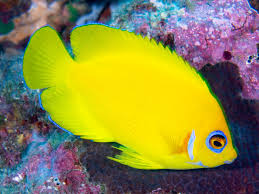
The Lemon Tang (Acanthurus pyroferus) is a vibrant, yellow-bodied saltwater fish that often catches the eye of anyone walking through a fish store. Its bright coloring and active personality make it genuinely appealing. But before you decide to bring one home, it is important to understand what this fish actually needs, and whether those needs fit your current level of experience.
The short answer is that Lemon Tangs are generally not recommended for beginners. However, understanding why will help you decide if you are close to ready, or if you should gain more experience first.
They need a large tank
Lemon Tangs are active swimmers and can grow up to 10 inches in length. They need plenty of open space to move around comfortably. Most experienced hobbyists recommend a minimum tank size of 125 gallons, and larger is always better. For a beginner, managing a tank this size can be overwhelming, since bigger tanks require more equipment, more maintenance time, and a larger upfront investment.
Water quality is critical
Like all tangs, the Lemon Tang is sensitive to water quality. It does not tolerate high levels of ammonia, nitrites, or nitrates well. Beginners are still learning how to keep water parameters stable, and even small spikes can stress the fish and lead to disease. A well-established tank with a mature biological filter is essential before introducing this species.
They are prone to ich
One of the biggest challenges with any tang species, including the Lemon Tang, is their high susceptibility to ich (white spot disease). This common parasite can quickly become serious in a reef or community tank. Treating ich in a saltwater system is more complicated than in a freshwater setup, often requiring a separate quarantine tank and careful medication. Beginners who are not yet familiar with disease identification and treatment can find this stressful and difficult to manage.
Diet needs consistent attention
Lemon Tangs are primarily herbivores. In the wild, they spend most of their day grazing on algae. In captivity, they need to be fed multiple times a day with a variety of algae-based foods like dried seaweed, nori, and spirulina-based flakes or pellets. Without a consistent, varied diet, they can develop nutritional deficiencies and become more susceptible to illness. This level of feeding routine requires time and commitment.
Temperament with other fish
Lemon Tangs can be aggressive toward other tang species, particularly those with similar body shapes or colors. In a community tank, this can cause problems. Choosing compatible tankmates and monitoring behavior is something that takes experience to handle well. Beginners may not yet have the confidence to spot early signs of aggression or know when to intervene.
So, should you get one?
If you are completely new to saltwater fishkeeping, it is better to start with hardier species like the Ocellaris Clownfish or Firefish Goby, gain experience with water chemistry, and build up a stable tank over time. Once you are comfortable managing a mature reef system and feel confident handling disease outbreaks, the Lemon Tang becomes a much more realistic choice.
If you already have six months to a year of saltwater experience and a large established tank, you may be ready to move forward. One important step is sourcing your fish from a trusted provider. At Dr. Reef’s Quarantined Fish, every fish goes through a proper quarantine process before being sold, which significantly reduces the risk of introducing ich or other parasites into your display tank.