
Emperor Angelfish

Emperor Angelfish Price Guide: Factors That Affect Cost
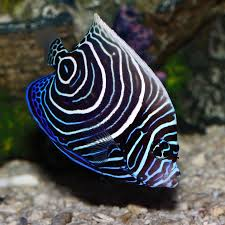
The Emperor Angelfish (Pomacanthus imperator) is one of the most iconic and visually dramatic fish in the entire marine hobby. Its bold horizontal blue and yellow stripes on the adult body and its astonishing circular patterning as a juvenile make it immediately recognizable even to people who have never kept a saltwater tank. But it also comes with a price tag that varies widely depending on several key factors. Here is a breakdown of what drives the cost of an Emperor Angelfish.
What Does an Emperor Angelfish Cost?
Prices for Emperor Angelfish span a significant range depending on size and life stage. A small juvenile typically costs between $100 and $199 from reputable online retailers. Sub-adult specimens that are beginning their color transition generally start around $200 to $300 or more. Fully adult Emperor Angelfish displaying complete blue and yellow adult coloration can command anywhere from $400 to $1,400 depending on the seller, collection origin and size. Specimens from specific regions such as Africa or the Red Sea sometimes carry a premium among collectors who prefer the slightly different color tones those populations display.
Factor 1: Life Stage and Size
Size is the single biggest driver of price. Juvenile Emperor Angelfish are the most affordable entry point and are also considered easier to acclimate to captive foods than adults. However juveniles take approximately 24 to 30 months to fully transition into their iconic adult coloration and there is no guarantee the adult colors will develop as vividly in captivity as they would in the wild. Diet plays a critical role in this transition and an imbalanced diet can delay or diminish the color change. Subadults in active color transition are often the sweet spot for buyers who want to watch the transformation without paying full adult prices.
Factor 2: Collection Origin
Emperor Angelfish are native to the Indo-Pacific region including the Red Sea, the Great Barrier Reef, Indonesia and as far as Hawaii. The collection location affects both price and availability. Fish collected from certain regions such as the Maldives, Africa or the Red Sea are sometimes sought after for subtle differences in color tone and are priced accordingly. Import and freight costs from remote collection points also factor into the final retail price.
Factor 3: Supplier and Quarantine Status
Purchasing from a reputable supplier who quarantines fish before sale adds to the upfront cost but significantly reduces the risk of disease, losses and expensive treatments after purchase. A healthy quarantined Emperor Angelfish is worth considerably more than a cheaper unquarantined specimen that arrives stressed and parasite-laden. Always factor in the true cost of ownership including potential medication and tank treatment costs when comparing prices from different sources.
Factor 4: Tank Requirements Drive Hidden Costs
The Emperor Angelfish grows to approximately 15 inches in the wild and typically reaches around 12 inches in a well-managed aquarium. It requires a tank of at least 180 to 220 gallons as an adult with extensive live rock, deep caves and open swimming space. This species is not reef safe as it will nip at corals, soft corals and clam mantles. The investment in a suitable tank system is a major part of the true cost of keeping this fish successfully.
Is It Worth the Price?
For the right hobbyist with the right setup, absolutely. The Emperor Angelfish is among the most breathtaking animals available in the marine hobby. Its lifespan in captivity with proper care can exceed 20 years making it a long-term companion rather than a short-term display piece. For those committed to providing a large well-established system, a varied diet of spirulina, marine algae, mysis shrimp, sponge-based angelfish formulas and other meaty foods, and stable water quality, the Emperor Angelfish rewards that investment fully.