
Harlequin Shrimp

Harlequin Shrimp for Sale: Your Complete Guide to This Unique Starfish-Eating Invertebrate
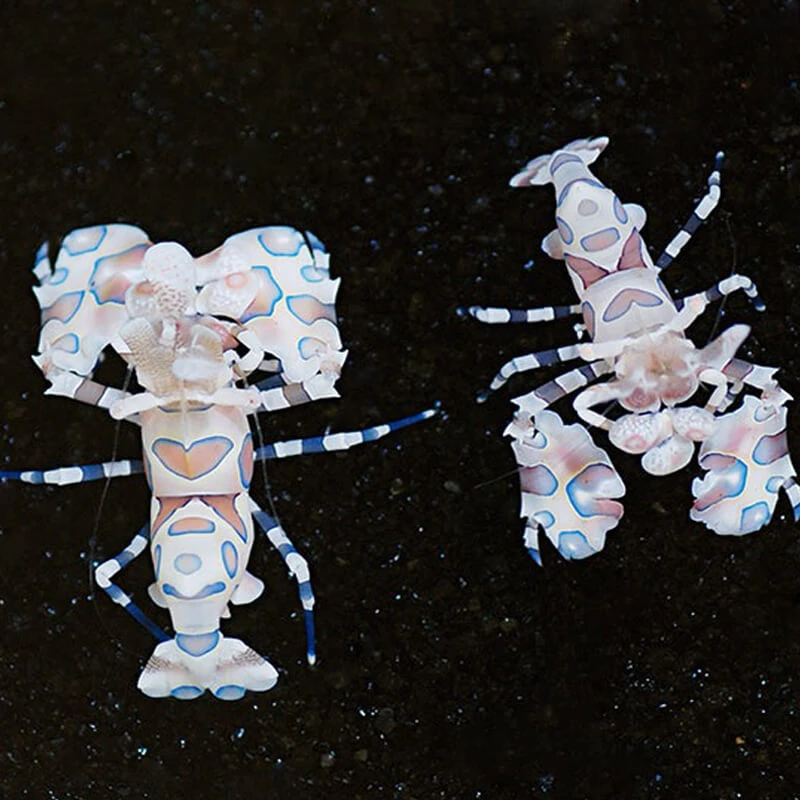
The Harlequin Shrimp (Hymenocera picta) is among the most visually extraordinary invertebrates in the marine hobby. Its cream-white body painted with bold pink and purple spots, combined with its specialized and fascinating feeding behavior, makes it one of the most discussed species in the reef keeping community. Dr. Reef’s Quarantined Fish offers healthy, pre-screened Harlequin Shrimp for keepers ready to provide the dedicated care this remarkable animal deserves.
Quick Stats:
- Adult size: 2 inches
- Diet: Starfish (echinoderms)
- Care level: Specialist
- Best kept: In bonded pairs
What Makes the Harlequin Shrimp So Remarkable
The Harlequin Shrimp occupies a genuinely unique ecological niche. Unlike most shrimp species that are omnivorous opportunists, the Harlequin Shrimp feeds almost exclusively on the tube feet of living echinoderms, primarily sea stars. It will methodically overturn and feed on a starfish over the course of several days, beginning with the arms and working inward, keeping the starfish alive as long as possible to maintain food freshness.
This behavior, as dramatic as it sounds, also makes the Harlequin Shrimp a genuinely useful species in tanks dealing with Asterina starfish infestations. A bonded pair of Harlequin Shrimp will systematically hunt and consume the small pest stars that reproduce rapidly in established reef systems, providing a targeted biological control that no chemical or manual method can replicate.
Housing and Tank Requirements
Harlequin Shrimp are best housed in a dedicated species tank or a very peaceful reef with no fish large enough to view them as prey. They are small, reaching only about two inches in length, and their slow deliberate movements make them vulnerable to larger or more aggressive tankmates. Clownfish, small gobies, and watchman gobies are among the safer cohabitants, provided the tank has adequate hiding spaces and the shrimp are established before any new fish are introduced.
A tank of 20 gallons or more gives a bonded pair enough territory to forage and retreat comfortably. Dense rockwork with natural caves and overhangs mimics their wild Indo-Pacific reef habitat and reduces stress. Water quality must be excellent: these shrimp are sensitive to ammonia and nitrite spikes, and stable parameters are non-negotiable for long-term health.
Water parameters for Harlequin Shrimp: Temperature 72 to 78 degrees Fahrenheit, specific gravity 1.023 to 1.025, pH 8.1 to 8.4, calcium 380 to 420 ppm, magnesium 1280 to 1350 ppm. Stable salinity during acclimation is critical. Drip acclimate for no less than 90 minutes before introduction.
Feeding the Harlequin Shrimp: Solving the Biggest Challenge
Feeding is the single most important and most challenging aspect of Harlequin Shrimp care. These animals have a highly specialized diet and most individuals will refuse anything that is not a live or very freshly deceased echinoderm. Understanding how to provide a sustainable food source before purchasing the shrimp is essential.
Practical feeding strategies: The most sustainable approach is to maintain a small separate culture of Chocolate Chip Starfish (Protoreaster nodosus) or Linckia starfish as a renewable food source. Feed one arm clipping at a time, allowing the donor starfish to regenerate before feeding again. Asterina starfish harvested from other tanks are an excellent supplemental source. A bonded pair typically consumes one small to medium starfish per one to two weeks, depending on the size of the prey offered.
Some experienced keepers have conditioned Harlequin Shrimp to accept frozen starfish portions over time, though this requires patience and is not guaranteed. Freshness of any frozen offering is critical: the shrimp respond to chemical cues released by live echinoderms and will often ignore prey that no longer produces those signals.
Keeping Harlequin Shrimp as a Bonded Pair
Harlequin Shrimp are naturally monogamous and form long-term pair bonds in the wild. Keeping a male and female together dramatically improves the wellbeing of both animals. Paired shrimp are more confident, feed more readily, and live longer than solitary individuals. They also breed in captivity when conditions are optimal, though raising the larvae successfully requires advanced effort.
Males are identified by their smaller size and slimmer abdomen compared to females of the same age. When purchasing from Dr. Reef’s Quarantined Fish, the team can assist you in selecting a sexed pair where available, giving you the best possible start for a long-term display.
Is the Harlequin Shrimp Right for You?
The Harlequin Shrimp rewards keepers who approach it as a specialist project rather than a general reef addition. If you are willing to establish a sustainable food supply before the shrimp arrives, maintain pristine water chemistry, and provide a quiet tank environment suited to its gentle nature, few marine animals will give you as much satisfaction in return. The combination of breathtaking coloration and genuinely fascinating natural behavior makes this species unlike anything else in the hobby.
Dr. Reef’s Quarantined Fish carries Harlequin Shrimp that have been observed through a health clearance period and confirmed active and responsive before sale. Given the feeding challenges inherent to the species, purchasing a healthy, established animal rather than a newly imported, stressed individual gives you a meaningful advantage from the start.
Shop Harlequin Shrimp at Dr. Reef’s Quarantined Fish. Availability is limited and demand is high. Join our notification list to be alerted when bonded pairs and individual specimens become available. Each shrimp ships with detailed care notes and feeding guidance from Dr. Reef.