
Copperband Butterfly for Sale: Aiptasia Control, Care Guide, and Feeding Tips

Copperband Butterfly for Sale: Aiptasia Control, Care Guide, and Feeding Tips
If Aiptasia anemones have taken over your reef tank, you already know how frustrating that can be. These pest anemones spread fast, sting your corals, and seem almost impossible to get rid of. One of the most popular natural solutions in the hobby is the Copperband Butterfly. And when you buy one from Dr. Reef’s Quarantined Fish, you are getting a fish that has already been through a strict health and treatment program, so it is ready to get to work in your tank right away.
What Is the Copperband Butterfly?
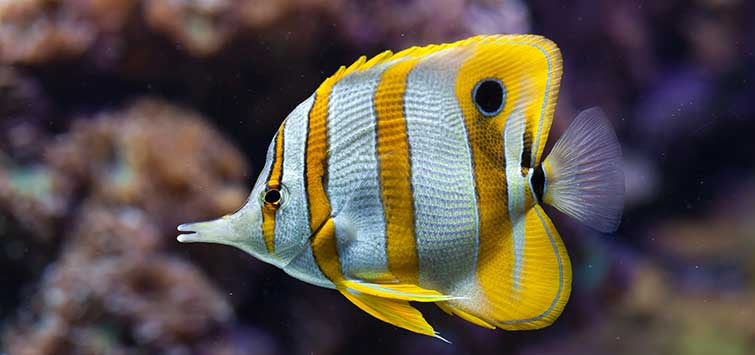
The Copperband Butterflyfish (Chelmon rostratus) is one of the most beautiful saltwater fish you can own. It has a bright white body with copper-orange vertical bands, a long pointed snout, and a false eyespot near its back fin that tricks predators. It grows to about 7 to 8 inches as an adult.
This fish is native to the Indo-Pacific Ocean, especially around coral reefs in Indonesia, the Philippines, and Australia. In the wild, it uses that long snout to poke into crevices and pick out small worms, crustaceans, and yes, aiptasia anemones.
Will It Eat Aiptasia?
This is the number one reason most hobbyists want a Copperband. The answer is: it depends on the individual fish.
Some Copperbands become excellent aiptasia hunters and will work through your tank methodically. Others may ignore them completely. A few things that affect this include where the fish was originally collected, the layout of your tank, and whether the aiptasia are in exposed or hidden spots.
One thing experts agree on: never try to starve the fish into eating aiptasia. That is one of the quickest ways to lose a Copperband. Keep it well fed and let it discover the aiptasia on its own.
Not sure if a Copperband is the right choice for your specific aiptasia situation? Dr. Reef’s has a helpful guide on what fish eat aiptasia that covers the Copperband alongside other effective options including the Aiptasia Eating Filefish and the Peppermint Shrimp, so you can pick the best solution for your tank.
Why Buying Pre-Quarantined Matters
Here is the real problem with wild-caught Copperbands sold in most stores. They come from the ocean carrying parasites. They are often stressed from transport. And they are rarely treated before hitting a display tank.
At Dr. Reef’s Quarantined Fish, every fish goes through a full quarantine process before it ever reaches you. You can read exactly what that involves on the quarantine protocol page. The protocol includes treatment with Chloroquine Phosphate or Copper Power for two full weeks, followed by a round of Prazipro and Metro to handle internal parasites. Fish are also fed twice daily on a mix of frozen mysis and brine shrimp during the whole process.
This is exactly why a Dr. Reef Copperband gives you a much better start than a fish picked off a dealer’s shelf. The hard part has already been done.
For pricing on the Copperband Butterfly, visit drreefsquarantinedfish.com to place a custom order. Most fish are acquired and quarantined on request, which takes around 30 to 45 days from the time you order.
Tank Setup Requirements
Getting the tank right is the most important step for long-term success with this fish.
Minimum Tank Size: 75 gallons. A 100 to 125-gallon tank is even better. These are active fish that need room to explore.
Mature Tank Required: Your tank should be at least 6 months old. A well-established system with live rock gives the Copperband natural grazing opportunities, such as amphipods, small worms, and sponge growth. A brand new tank simply cannot support this fish.
Aquascape: Plenty of live rock with caves, ledges, and crevices is a must. The Copperband feels safer when it can retreat. Open swimming lanes also matter, so do not overcrowd the rock.
Water Flow: Moderate flow is best. Avoid blasting strong currents in the main feeding zone.
Water Parameters:
Temperature: 75 to 82 degrees F
pH: 8.1 to 8.4
Salinity: 1.020 to 1.025
Ammonia and nitrite: zero
Nitrate: as low as possible
This fish is sensitive to poor water quality, so regular water changes and reliable filtration are a must. If you are still building out your equipment setup, the supplies and equipment section at Dr. Reef’s is worth browsing.
Feeding Your Copperband Butterfly
Feeding is the single biggest challenge with this species. Many hobbyists fail with Copperbands simply because they cannot get the fish to eat in their tank.
Here is what works:
Start with live or frozen foods: Frozen mysis shrimp and brine shrimp are good starting points. Live brine shrimp can also help trigger the feeding response. Dr. Reef’s has a detailed breakdown of why mysis shrimp are the gold standard food for marine fish if you want to understand exactly what makes them work so well.
Target feed: Use a feeding stick or small baster to bring food directly to the fish near the rockwork. This fish is shy and a slow eater. It will lose out to faster tank mates if you just dump food in the water.
Offer variety: Enriched brine, mysis, chopped clams, and even fresh clam on the half shell placed on the tank floor have all been reported to work. You can find quality frozen food options directly through Dr. Reef’s.
Try garlic or fish attractants: Soaking food in garlic extract or Seachem Garlic Guard can encourage a stubborn fish to start eating.
Feed small amounts multiple times a day: This matches its natural grazing behavior.
Watch for a sunken belly: If you notice the belly looking pinched or hollow, act fast. Malnutrition is the top reason Copperbands do not make it in home tanks.
Because Dr. Reef feeds every fish twice daily during quarantine, your fish will already be conditioned to accept frozen mysis and brine before it arrives at your door. That is a huge advantage.
Tank Mates
The Copperband is a peaceful fish that does well with other calm species. Good tank mates include clownfish, gobies, anthias, and reef-safe wrasses.
Avoid housing it with aggressive or territorial fish. Anything that bullies it at feeding time can cause serious problems.
Keep only one Copperband per tank. Two will fight.
Be aware that this fish may occasionally nip at feather duster worms, ornamental shrimp, or fleshy LPS corals, especially if it is underfed. A well-fed Copperband is much less likely to cause trouble in a reef setting. If you want to check which species pair well together before adding anything new, the compatibility chart at Dr. Reef’s is a useful starting point.
Common Health Issues
Like most butterflies, the Copperband is prone to marine ich and can be sensitive to stress. This is another reason quarantine matters so much. A pre-treated fish from Dr. Reef’s has already been cleared of ich and internal parasites before shipping.
Once it is settled and eating well, a Copperband can live 4 to 7 years in captivity. If you ever need support after your fish arrives, the FAQs page covers common questions, and the team is also available 24/7 by email.
Is the Copperband Right for You?
This fish is best suited for intermediate to advanced hobbyists who have a mature, large tank and the patience to work through the feeding transition. If you have an aiptasia problem and are ready to invest in a beautiful, functional fish, the Copperband Butterfly is a great choice. If you are not sure the Copperband is the right fit, the full butterflyfish collection at Dr. Reef’s has other beautiful species worth considering.
When you order from Dr. Reef’s Quarantined Fish, you are not just buying a fish off a shelf. You are getting a specimen that has been personally evaluated, treated, fed, and cleared for health before it ships to your door. Before your fish arrives, it is also worth reviewing the acclimation guide to give it the smoothest possible start in its new home.