
Bamboo Shark

Bamboo Shark for Sale: Beginner-Friendly Shark Species for Large Tanks
The idea of keeping a shark at home stops most people in their tracks. It sounds like something reserved for aquariums with million-dollar budgets and full-time marine biologists on staff. But the Bamboo Shark tells a different story. Manageable in size, adaptable in care, and genuinely attainable for serious home aquarists, the Bamboo Shark is the most accessible entry point into shark keeping available today. And when you source yours through Dr. Reef’s Quarantined Fish, you are starting with an animal that has been given every possible advantage before it ever reaches your tank.
What Is a Bamboo Shark?
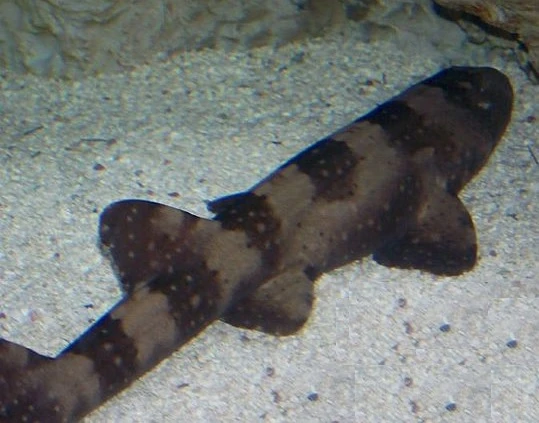
Bamboo Sharks belong to the family Hemiscylliidae, commonly known as longtail carpet sharks. Several species are sold under the Bamboo Shark name, but the two most commonly available in the aquarium trade are the White-Spotted Bamboo Shark (Chiloscyllium plagiosum) and the Brown-Banded Bamboo Shark (Chiloscyllium punctatum).
Both species share the same fundamental characteristics that make them so suitable for home aquaria: small adult size by shark standards, a benthic lifestyle meaning they spend most of their time resting on the bottom rather than actively swimming open water, a hearty appetite for meaty foods, and a temperament that is docile compared to most other shark species.
Adult Bamboo Sharks reach between 30 and 48 inches in length depending on species, with most adults settling in the 36 to 40 inch range. This is still a substantial animal that demands a large, properly equipped tank, but it is a fraction of the commitment required by species like the Black Tip Reef Shark, which can reach six feet or more.
Bamboo Sharks are born from eggs, and fertilized eggs are sometimes available for purchase as well. Watching a Bamboo Shark hatch from its egg case is one of the most remarkable experiences in the marine aquarium hobby.
Tank Requirements for a Bamboo Shark
While the Bamboo Shark is the most beginner-accessible shark species, it is important to be clear: beginner-friendly is a relative term here. This is still a shark, and it still requires a large, purpose-built system. There are no shortcuts.
- Tank Size: A juvenile Bamboo Shark can be started in a tank of around 100 to 180 gallons, but this is a temporary arrangement. Adults require a minimum of 300 gallons, with 400 to 500 gallons providing a genuinely comfortable environment. The footprint of the tank is more important than height. Long, wide tanks with shallow profiles are far better than tall display tanks.
- Tank Shape and Layout: Round or oval tanks with no sharp corners are ideal. Bamboo Sharks navigate by hugging the perimeter of their environment, and sharp rectangular corners can cause repeated rostral abrasion over time. If a rectangular tank is used, all corners should be smoothed with rounded barriers or silicone guards.
- Substrate: A thick, fine sand bed of 4 to 6 inches is strongly recommended. Bamboo Sharks rest directly on the substrate for hours at a time, and bare glass or coarse rock causes serious abrasion injuries to their undersides over time. Deep sand also supports natural resting behavior and mimics the sandy reef flat habitats these sharks prefer in the wild.
- Filtration: Sharks produce significantly more biological waste than most bony fish of comparable size. Your filtration system must be significantly oversized relative to the tank volume. A powerful protein skimmer rated well above your tank’s capacity, a large biological filtration media system, and strong mechanical filtration are all essential. Water change discipline must be consistent, with 20 to 30 percent changes weekly as a minimum standard.
- Water Flow: Bamboo Sharks are not high-flow species by nature, but adequate oxygenation and water movement throughout the tank is important for water quality and the shark’s respiratory health. Avoid dead zones, particularly in the lower sections of the tank where the shark spends most of its time.
- Water Parameters: Maintain salinity at 1.023 to 1.025, temperature between 72 and 78 degrees Fahrenheit, and pH at 8.1 to 8.4. Ammonia and nitrite must remain at zero at all times, as sharks are highly sensitive to nitrogen compound spikes. Nitrate should be kept as low as possible through consistent water changes and efficient filtration.
- Secure Lid: All sharks can and do exit open-top tanks. A secure lid or mesh cover is required.
Feeding Your Bamboo Shark
Bamboo Sharks are enthusiastic carnivores that present relatively few feeding challenges compared to some other marine species. They accept a wide range of whole marine foods including silversides, squid, krill, clams, and mussel. Most specimens will also take high-quality gel-based shark foods available from specialty marine suppliers.
Feed juveniles every two to three days and adults two to three times per week. Overfeeding is a real risk, as excess food rapidly degrades water quality in a shark system. Remove any uneaten food promptly.
Feeding is best done by hand or with feeding tongs, presenting food directly in front of the shark’s snout. Bamboo Sharks locate food primarily through electroreceptors called ampullae of Lorenzini and through their sense of smell, not vision. Twitching food gently in front of them triggers a strong feeding response.
It is normal for newly acquired Bamboo Sharks to refuse food for the first few days as they adjust to their new environment. A shark that has been properly quarantined and stabilized before purchase is far more likely to begin feeding quickly.
Tankmates for Bamboo Sharks
Bamboo Sharks can coexist with large, robust fish that are too big to be consumed. Suitable companions include large angelfish, large groupers, big hawkfish, and similar species. Avoid any fish small enough to fit in the shark’s mouth, as Bamboo Sharks are opportunistic feeders and will consume small fish, particularly at night when they are most active.
Invertebrates are generally not compatible with Bamboo Sharks. Crustaceans and echinoderms will be eaten.
Avoid pairing Bamboo Sharks with aggressive fish that might nip at their fins or harass them during resting periods.
Why Quarantine Is So Critical for Bamboo Sharks
Sharks are physiologically different from bony fish in ways that make treating illness in captivity considerably more challenging. Many medications routinely used to treat parasites and bacterial infections in reef fish are harmful or outright fatal to elasmobranchs. This means that preventing illness through proper quarantine is dramatically more important than treating it after the fact.
An unquarantined Bamboo Shark arriving with a parasitic infection or internal illness puts the keeper in a very difficult position. Treatment options are limited, stress compounds quickly, and recovery is far from guaranteed.
Dr. Reef’s Quarantined Fish applies rigorous quarantine protocols to every Bamboo Shark before it is made available for sale. Each specimen is held in dedicated quarantine systems, observed closely for behavioral and physical signs of illness, and evaluated to confirm it is feeding well and behaving normally. This process eliminates a significant layer of risk for the buyer and gives the shark the stabilization time it needs after the stress of collection and transport.
The team at Dr. Reef also provides species-specific guidance with every shark purchase. Understanding how to care for an elasmobranch is genuinely different from caring for a reef fish, and having access to expert support from the moment of purchase is part of what sets Dr. Reef apart from general livestock sellers.
Is a Bamboo Shark Right for You?
If you have a large, mature, purpose-built system, a commitment to regular maintenance, and a genuine interest in keeping one of the most fascinating animals the marine world has to offer, then yes, a Bamboo Shark may be an excellent fit.
If you are newer to the hobby or working with a smaller system, Dr. Reef’s Quarantined Fish carries a wide range of outstanding reef fish across all care levels, and the team can help you find species that deliver exceptional visual impact and personality while matching your current setup.
The Bamboo Shark is not a beginner fish in the absolute sense. But within the world of shark keeping, it is the species most achievable for dedicated, well-prepared home aquarists. Done properly, with a healthy quarantined specimen from Dr. Reef and a system built to meet its needs, keeping a Bamboo Shark is one of the most rewarding experiences available in this hobby. There is nothing else quite like it.