
Aiptasia Eating Filefish for Sale: Natural Solution to Aiptasia Infestation

Aiptasia Eating Filefish for Sale: Natural Solution to Aiptasia Infestation
If you have ever woken up and noticed little translucent brown stalks multiplying across your reef tank, you already know the dread. Aiptasia anemones are one of the most stubborn, frustrating problems in the saltwater hobby. They sting corals, spread fast, and laugh at most removal attempts. But there is a natural, fascinating solution swimming in the ocean that reef keepers have been using for years. Meet the Aiptasia Eating Filefish.
What Is the Aiptasia Eating Filefish?
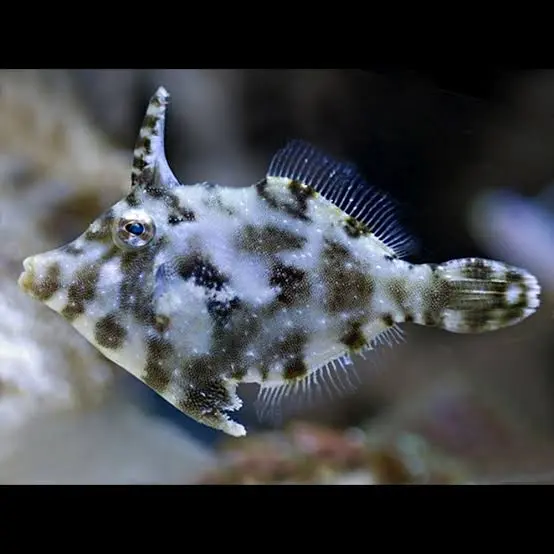
The Aiptasia Eating Filefish, known scientifically as Acreichthys tomentosus, is a small, clever fish native to the Indo-Pacific. It grows to about 4 inches and has a mottled brown and green pattern that blends beautifully into reef environments. It looks humble. Its appetite for Aiptasia is anything but.
What Does Aiptasia Actually Do to Your Tank?
Before diving into the solution, it helps to understand just how damaging Aiptasia really is.
How Aiptasia Spreads
Aiptasia reproduces both sexually and asexually. Cut one in half trying to remove it and you might end up with two. They spread from rock to rock, from frag to frag, and can hitch a ride on new corals entering your system.
What Aiptasia Does to Corals
These pest anemones have powerful stinging cells. When they grow near corals, they fire those stingers and cause tissue damage. Left unchecked, an Aiptasia outbreak can devastate a coral collection over time.
Why Chemical Treatments Often Fall Short
Many hobbyists try kalkwasser paste, lemon juice injections, or commercial Aiptasia solutions. These work temporarily on visible polyps, but if any tissue remains or new ones sprout from hiding, the problem comes right back. That is where a biological solution shines.
How the Aiptasia Eating Filefish Works
The Filefish seeks out Aiptasia and eats them directly, stinging cells and all. It targets them methodically and can work through an infestation steadily over time. It is not an overnight fix, but it is a natural, ongoing defense that does not involve chemicals or manual intervention.
Does It Eat Aiptasia Every Time?
Individual fish vary. Most Aiptasia Eating Filefish take to the pest readily, especially when introduced to a tank with an active infestation. Some fish are more enthusiastic than others. Keeping the fish slightly hungry encourages more aggressive Aiptasia hunting.
Is It Reef Safe?
This is the question every coral keeper asks first. The honest answer is that it is conditionally reef safe. Most Filefish leave corals alone when Aiptasia is present. However, some individuals may nip at soft corals or small polyp stony corals, especially in a tank where Aiptasia runs low. Monitor it closely after introduction, particularly around your most valued corals.
Tank Requirements
Tank Size
A tank of at least 30 gallons works well for a single Filefish. It is not a large or overly active swimmer, so it fits comfortably in mid-sized reef systems.
Water Parameters
Standard reef parameters apply. Temperature between 72 and 78 degrees Fahrenheit. Salinity at 1.023 to 1.025. Good filtration and stable water chemistry keep this fish healthy and active.
Feeding Beyond Aiptasia
Once the Aiptasia population drops, the Filefish needs supplemental feeding. Offer frozen mysis shrimp, small meaty foods, and algae-based preparations. A well-fed Filefish is a healthy Filefish.
Tank Mates
The Aiptasia Eating Filefish is peaceful and does well with most reef community fish. Avoid housing it with aggressive species that may bully it, as stress will reduce its effectiveness and its health.
Aiptasia Eating Filefish Pricing at Dr. Reef’s
Dr. Reef’s Quarantined Fish offers two excellent options for hobbyists ready to fight back against Aiptasia.
The Aiptasia Eating Filefish wild caught is available at $99.99 to $114.99. This is a proven, established option for reef keepers who want a battle-tested biological solution delivered healthy and ready to work.
The Matted Filefish Aiptasia Eating Captive Bred at 1.5 inches and up is also priced at $99.99 to $114.99. The captive bred option is an outstanding choice for hobbyists who prioritize fish that are already adapted to aquarium life, eat prepared foods more readily, and carry a lower disease risk from the start. Either option goes through Dr. Reef’s full quarantine protocol before shipping.
Why Buy From Dr. Reef’s Quarantined Fish?
Buying a Filefish that arrives stressed, sick, or carrying disease is a double problem. Now you have a sick fish and a growing Aiptasia problem at the same time. Dr. Reef’s Quarantined Fish solves that by sending every fish through a full professional quarantine before it ships.
A healthy, quarantined Filefish from Dr. Reef’s arrives ready to eat, ready to explore, and ready to get to work on your Aiptasia problem from day one.
Quick Q and A
Q: How quickly will the Filefish eliminate my Aiptasia?
A: Results vary by tank size and infestation level. Some hobbyists see major reduction within a few weeks. Larger outbreaks take longer.
Q: What is the difference between the wild caught and captive bred Filefish at Dr. Reef’s?
A: Both are priced at $99.99 to $114.99. The captive bred Matted Filefish adapts to tank life faster and carries lower disease risk. Both go through Dr. Reef’s professional quarantine process.
Q: What happens after all the Aiptasia is gone?
A: Supplement with frozen foods and prepared diets. The fish will continue to pick at any new Aiptasia that appears.
Q: Will it definitely be reef safe in my tank?
A: Most specimens are safe around corals, but individual behavior varies. Monitor closely for the first few weeks especially near prized corals.
Q: Is this a beginner-friendly fish?
A: Yes. It is peaceful, small, and relatively easy to keep. It is a smart addition for any hobbyist dealing with an Aiptasia problem.
Everything You Need to Know
Aiptasia does not have to win. The Aiptasia Eating Filefish is one of the most practical, fascinating, and natural tools in the reef hobby toolbox. Whether you choose the wild caught or captive bred option, both available at $99.99 to $114.99 from Dr. Reef’s Quarantined Fish, you are getting a professionally quarantined fish backed by a team that genuinely wants your reef to thrive. Visit Dr. Reef’s Quarantined Fish and give your reef the biological backup it deserves today.