

Tailspot Blenny vs Lawnmower Blenny: Which Algae Eater Is Better?

Tailspot Blenny vs Lawnmower Blenny: Which Algae Eater Is Better?
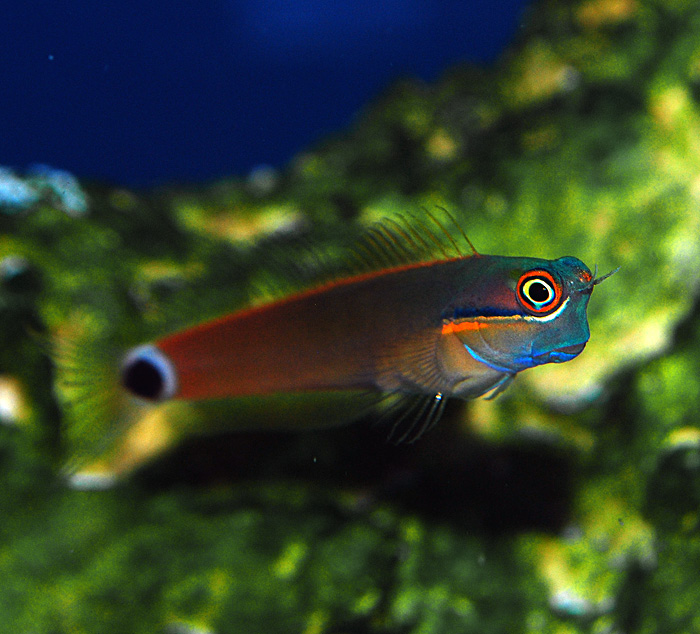
Two of the hobby’s most recommended algae grazers solve very different problems, and picking the wrong one for your tank size is the most common mistake reef keepers make
Ask any experienced reef keeper how to deal with a nuisance algae problem and two names come up almost every time: the Tailspot Blenny and the Lawnmower Blenny. Both live in the Blenny category for good reason, and both have earned a loyal following. But they are not interchangeable. One is built for small, established nano tanks. The other is a bigger, hungrier grazer that needs real algae growth to stay fed long-term.
Here is how the two actually compare, so you can pick the right one instead of the more popular one.
Size Comparison
The Tailspot Blenny (Ecsenius stigmatura) stays small, typically topping out around 2 to 3 inches. That compact size is a large part of its appeal, since it fits comfortably into tanks that would feel cramped for a bulkier grazer.
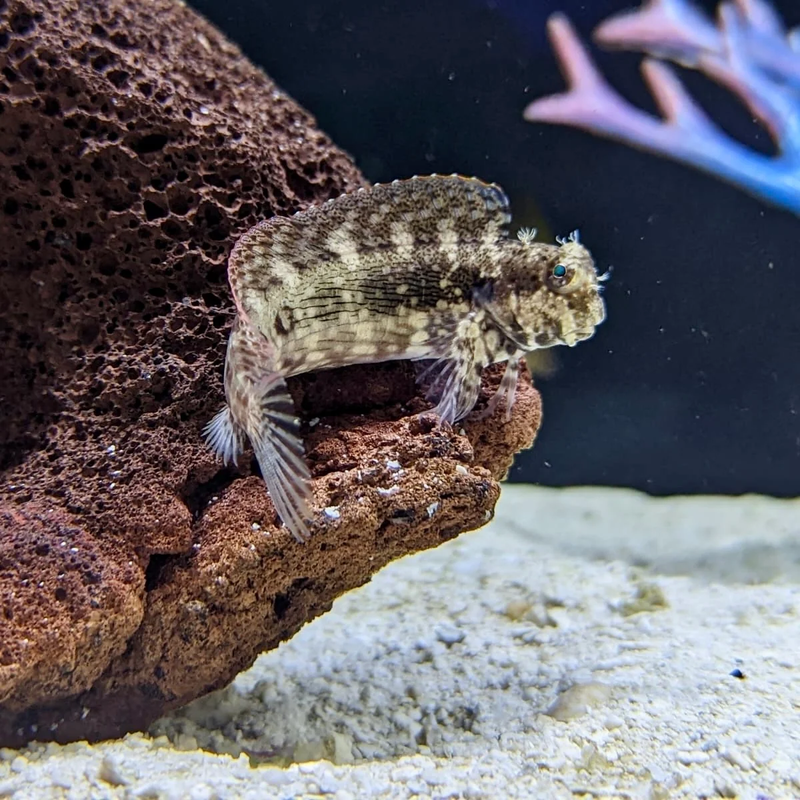
The Lawnmower Blenny (Salarias fasciatus) is noticeably larger, capable of reaching 4 to 5 inches as an adult. That extra size comes with a bigger appetite and a body built for constant, heavy grazing rather than the more relaxed feeding style of its smaller cousin.
Tank Size Requirements
This is where the two species really diverge. The Tailspot Blenny is considered one of the best blenny choices for aquariums under 30 gallons, making it a strong match for nano and small reef setups where a full-size grazer would struggle to find enough space or food.
The Lawnmower Blenny needs considerably more room. It does best in larger, well-established systems with extensive rockwork and mature algae growth across multiple surfaces. Dropping one into a small nano tank often backfires, since the tank simply cannot regrow algae fast enough to keep up with this fish’s appetite.
Algae-Eating Effectiveness
Both fish are marketed as algae grazers, but their actual diets differ importantly. The Lawnmower Blenny is the more aggressive grazer of the two and will strip film algae from rock at a genuinely impressive rate, though it is worth knowing that in the wild this species is largely a detritivore, with plant material making up a relatively small share of its actual diet. That means even a dedicated Lawnmower Blenny needs supplemental herbivore foods once the natural algae supply in your tank runs low, not just a rock covered in green film.
The Tailspot Blenny is an omnivore with herbivorous leanings rather than a pure grazer. It picks at film algae throughout the day but is less demanding of constant, heavy algae growth than the Lawnmower Blenny, which makes it more forgiving in a clean, well-maintained nano tank that simply does not produce enough algae to sustain a bigger grazer.
Temperament and Tankmates
Both species share a similar personality profile: peaceful toward the rest of the tank but territorial toward other blennies and similarly shaped fish. Neither should be kept with a second blenny in a small system, and both are capable jumpers, so a secure, gap-free lid is non-negotiable for either one.
Neither fish poses any risk to corals or invertebrates, though both may occasionally perch on coral for a better vantage point without causing any actual harm.
Price Comparison
Pricing reflects the size and demand difference between the two species. The Tailspot Blenny is priced at $39.99, making it one of the more affordable functional fish in the Dr. Reef’s Quarantined Fish lineup. The Lawnmower Blenny runs a bit higher, typically listed between $49.99 and $57.99 depending on size, reflecting its larger adult size and heavier demand as one of the most requested algae control fish in the hobby.
Which One Should You Choose?
The decision comes down to tank size and algae supply rather than personal preference. A nano or small reef tank under 30 gallons, especially one that is well maintained and does not generate heavy algae growth, is a better fit for the Tailspot Blenny. A larger, more established display with real algae buildup on the rockwork is where a Lawnmower Blenny will actually thrive rather than slowly starve once the initial supply runs out.
Whichever species fits your setup, give it time to settle in before judging its algae-eating performance. Follow the Acclimation Guide for a stress-free introduction, and keep in mind that a quarantined, already-feeding specimen adjusts to a new tank far faster than one pulled straight from collection. What Actually Happens During Fish Quarantine? explains why that head start matters so much for a fish whose job starts on day one.
The Bottom Line on Tailspot vs Lawnmower Blenny
Neither fish is objectively better than the other. The Tailspot Blenny wins for nano and small reef tanks that need a low-maintenance, budget-friendly grazer, while the Lawnmower Blenny wins for larger, algae-heavy displays that can actually keep up with its appetite. Match the fish to the tank, not the tank to the fish, and either species will earn its reputation as one of the hobby’s most useful additions.