

The Safest Way to Introduce New Fish Into Your Aquarium

The Safest Way to Introduce New Fish Into Your Aquarium
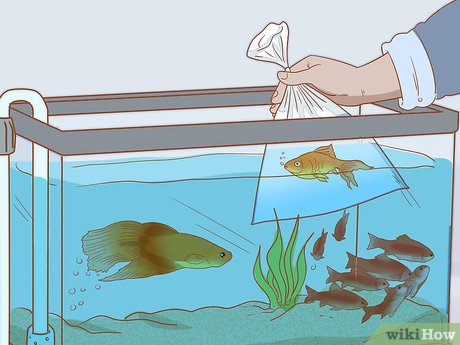
Bringing a new fish home is exciting, but the first hour after it arrives is also the most dangerous part of the whole process. Rushing this step is one of the most common ways hobbyists lose fish, even fish that were perfectly healthy when they shipped.
The good news is that the safest way to introduce a new fish is not complicated. It just takes patience and the right order of steps.
Start Before the Fish Even Arrives
Safe introduction actually starts before the box shows up. Check your seller’s shipping schedule so you know exactly when to expect your fish. Dr. Reef ships Tuesday through Thursday, with delivery landing Wednesday through Friday, so your fish is never sitting in a truck over a weekend.
Have your tank ready ahead of time too. That means checking your water parameters and confirming the new fish will actually get along with what is already swimming in your tank. A quick look at a compatibility chart before the fish arrives can prevent a fight on day one.
Do Not Rush the Acclimation Process
This is the step most hobbyists get wrong. As soon as that box arrives, the temptation is to open the bag and dump the fish straight into the tank. That sudden shift in temperature and water chemistry is a shock most fish do not handle well.
Instead, follow a proper acclimation guide step by step. Float the sealed bag in your tank for about 30 minutes so the temperature can slowly equalize. Skip the drip method and skip the airstone too. Both can raise the pH too fast, which can turn ammonium in the bag water back into toxic ammonia right as your fish is at its most stressed.
Watch, Then Release
Once the temperature and pH have leveled off, net the fish out of the bag and release them directly into your tank. Do not pour the bag water in with it. That water has been sitting with waste and stress hormones for hours, and your tank does not need any of it.
A New Fish Still Deserves Its Own Quarantine Time
Even a fish that has already been through a seller’s quarantine benefits from a short observation period in its new home. Watch how it eats, how it breathes, and how it interacts with tank mates over the first week. Catching a problem early, while the fish is still easy to isolate, is far better than catching it after it has already been swimming with everyone else for a month.
This is exactly why sellers like Dr. Reef run fish through a full quarantine protocol first. It does not replace watching your new fish at home, but it means you are starting from a much safer point.
Introduce One Fish at a Time
Adding several new fish at once might feel efficient, but it multiplies the risk. If something goes wrong, you will not know which fish caused it, and your whole tank absorbs the stress at the same time. Spacing out new additions, even by just a week or two, gives you a clearer picture of how each fish is settling in.
This matters even more with fish that carry a bit more personality, like a Yellow Banded Possum Wrasse or a striking Australian Stripey. Giving each new fish room to settle helps everyone in the tank stay calmer.
Know What to Do If Something Looks Off
Even with every step done right, problems can still show up. Check the seller’s FAQ page ahead of time so you already know the guarantee terms and how to document an issue if one comes up. Having that information ready before you need it saves valuable time.
Final Thoughts
The safest way to introduce a new fish comes down to preparation, patience, and a slow acclimation instead of a rushed one. Skipping steps to save twenty minutes is rarely worth the risk to a fish you have already invested in.
When you are ready to add something new, browse the saltwater fish selection at Dr. Reef’s Quarantined Fish, where every fish arrives already quarantined and ready for a smooth introduction into your tank.