
Is a Purple Tang Reef Safe? The Answer Isn’t So Simple

Is a Purple Tang Reef Safe? The Answer Isn’t So Simple
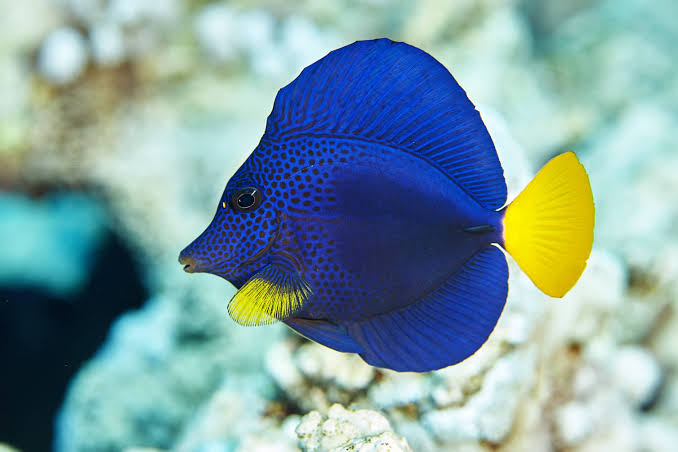
Search “Purple Tang reef safe,” and you will get a confident yes from most care sheets. Ask an experienced reef keeper the same question, and you might get a pause, followed by “well, mostly.” Both answers are technically true, which is exactly why this question deserves a more honest look than a simple yes or no.
The Short Answer
Yes, the Purple Tang is classified as reef safe. It is a herbivore that grazes on algae rather than coral tissue, and it will not eat your zoanthids, LPS, or SPS the way a fish like a Clown Triggerfish or an angelfish sometimes will. For the vast majority of reef keepers, a Purple Tang and a coral-filled display tank coexist without any issue at all.
Where the Nuance Comes In
The complication is not really about diet. It is about behavior. Purple Tangs are active, fast-moving grazers that spend their entire day picking at rock, sand, and any surface with algae film or biofilm on it. In that process, a Purple Tang can bump into coral, knock over unsecured frags, or brush against stinging coral tissue while chasing algae growing nearby. None of that is intentional predation. It is simply the side effect of a large, energetic fish sharing close quarters with delicate, stationary animals.
There is also the question of space. A stressed Purple Tang crammed into too small a tank moves more erratically. That raises the odds of accidental coral damage compared to a calm tang with plenty of room to graze normally.
The Real Risk Is Usually Indirect
Most “my Purple Tang is eating my coral” reports, when investigated closely, turn out to be something else entirely. A tang picking at algae or detritus that has built up on a coral’s base or skeleton can look like coral predation from a distance, even though the coral tissue itself is untouched. Genuine tissue damage from a Purple Tang is uncommon, but not impossible, particularly in an underfed fish that is searching harder than usual for food and starts sampling anything with texture.
This is the piece that gets lost in a simple yes or no answer. A well-fed Purple Tang in a reasonably sized tank is about as reef safe as fish get. A hungry, stressed, or cramped one introduces more risk than the species label suggests.
Tank Size Changes the Equation
A Purple Tang needs a minimum of 125 gallons, and that number matters more here than with many other reef safety questions. In a large tank, this fish has room to graze naturally across open rockwork without needing to squeeze past corals constantly. In a smaller or overstocked tank, close contact with coral becomes far more frequent simply due to lack of space, raising the odds of the occasional bump or knock turning into actual damage.
Diet Is the Other Deciding Factor
Purple Tangs need to graze constantly. A tank without enough natural algae growth, combined with inconsistent supplemental feeding, pushes a hungry tang to investigate food sources it would otherwise ignore. Feeding nori or seaweed sheets daily gives this fish a reliable food source that has nothing to do with your coral. That meaningfully lowers the odds of any accidental grazing near a frag.
Why a Healthy Start Matters for Reef Safety Too
A stressed or unhealthy Purple Tang behaves less predictably than a calm, well fed one, and that unpredictability is where most reef safety concerns actually originate. This is why proper quarantine matters even for a species already considered reef compatible. Every Purple Tang from Dr. Reef’s Quarantined Fish goes through a full quarantine protocol, arriving already eating well and free of the kind of stress that leads to erratic behavior around coral.
What It Costs
A quarantined Purple Tang from Dr. Reef runs $299.99. For hobbyists who want a slightly calmer, more predictable temperament around coral, the Captive Bred Purple Tang is also worth considering, since tank-raised specimens tend to adapt to reef environments with less erratic behavior overall.
How to Stack the Odds in Your Favor
Give your Purple Tang a minimum of 125 gallons, ideally more, so it has room to graze without constantly navigating around coral. Feed nori or seaweed daily so hunger never becomes the reason it investigates something it should not. Secure any loose frags rather than leaving them balanced on rockwork where an active swimmer could knock them over. And start with a healthy, properly quarantined fish, since a calm tang is a predictable tang.
Check the compatibility chart before adding one to your existing tankmates, and review the acclimation guide for a smooth introduction.
The Takeaway
A Purple Tang is reef safe in every meaningful sense of the term, but “reef safe” was never the same thing as “risk free.” Give it enough space, a reliable diet, and a healthy start from a source like Dr. Reef’s Quarantined Fish, and the odds of any coral trouble drop close to zero. Skip any of those three things, and even a technically reef-safe fish can occasionally cause the kind of accidental damage that gives the whole species an unfair reputation.
For more honest care guides like this one, visit the Dr. Reef blog.