
Longfin Clownfish for Sale: Care Requirements, Breeding, and Aquarium Setup

Longfin Clownfish for Sale: Care Requirements, Breeding, and Aquarium Setup
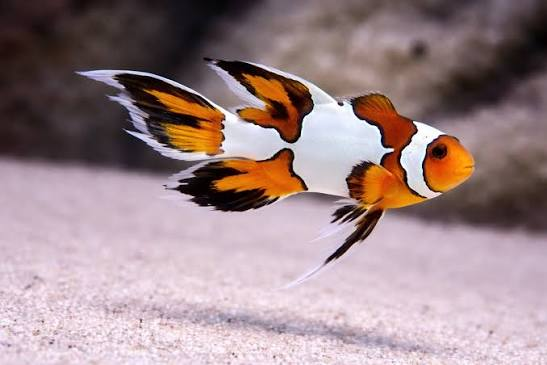
If the standard clownfish is the classic version of a beloved hobby staple, the Longfin Clownfish is the deluxe edition. These stunning designer fish have elongated, flowing fins that give them a graceful, almost angelic look in the water. They move with a slow, drifting elegance that makes them impossible to stop watching.
Whether you are new to saltwater or a longtime reef keeper looking for something special, this guide walks you through everything you need to know about Longfin Clownfish care, breeding, and setup. And when you are ready to buy, Dr. Reef’s Quarantined Fish is the safest place to start.
What Is a Longfin Clownfish?
Longfin Clownfish are a selectively bred designer morph of the Ocellaris Clownfish (Amphiprion ocellaris). Through captive breeding programs, breeders developed fish with extended dorsal, pectoral, and tail fins that fan out beautifully in the water.
They come in several color combinations. The classic orange and white version is available as the Longfin Ocellaris Clownfish, while those who want something with extra flair can choose the Fancy Longfin Clownfish or the dramatically dark Longfin Phantom Clownfish. The defining feature is always those elegant, flowing fins.
Because they are captive-bred, Longfin Clownfish are well adapted to aquarium life. They tend to eat readily, tolerate a range of water conditions, and are generally hardier than wild-caught specimens. You can browse the full range of captive-bred clownfish available at Dr. Reef’s to compare options while you are shopping.
The Dr. Reef Difference
One of the biggest risks when buying any clownfish is disease. Marine ich, Brooklynella, and velvet can all be brought into your display tank by a new fish that looks healthy but is actually carrying parasites.
At Dr. Reef’s Quarantined Fish, every fish is personally received, visually checked, and placed into a full quarantine protocol. The full details of what that process involves are laid out on the quarantine protocol page. Fish are treated with Chloroquine Phosphate or Copper Power, then moved to observation tanks where they receive Prazipro and Metro for internal parasites. They are fed twice daily with vitamin-enriched frozen mysis and brine shrimp.
By the time your Longfin Clownfish ships to you, it has been fully treated, cleared, and conditioned to eat prepared foods. That matters especially with a designer fish that you have invested in.
For pricing and availability, visit drreefsquarantinedfish.com. Orders are placed by request, and most fish are quarantined over a 30 to 45-day window before shipping.
Tank Setup for Longfin Clownfish
Longfin Clownfish have the same care requirements as standard Ocellaris Clownfish, with one additional consideration: their flowing fins are more delicate and can be damaged by aggressive tank mates or sharp decor.
Tank Size: A 20-gallon minimum for a pair, though 30 gallons or more is better. Larger tanks provide more stable water conditions. If you are still putting your system together, the supplies and equipment section at Dr. Reef’s carries quality filtration and lighting options worth checking out.
Water Parameters:
Temperature: 74 to 80 degrees F
pH: 8.1 to 8.4
Salinity: 1.020 to 1.026
Ammonia: zero
Nitrate: keep as low as possible
Aquascape: Provide caves, coral heads, or anemones for the fish to claim as home territory. Clownfish feel more secure when they have a defined space. Avoid sharp rocks or decor that could tear their long fins. Dr. Reef’s carries a wide selection of quarantined coral frags if you want to build out your aquascape at the same time.
Flow: Keep flow moderate. Longfin Clownfish are even less powerful swimmers than their standard counterparts due to the extra fin length. High turbulent flow will stress them out.
Filtration: Standard marine filtration is fine. Keep up with regular water changes, about 10 to 25 percent every two to four weeks, to maintain water quality.
Feeding Longfin Clownfish
Longfin Clownfish are easy eaters, especially when captive-bred and quarantine-conditioned. They will accept high-quality marine pellets or flakes, frozen mysis shrimp, frozen brine shrimp, and varied marine foods and frozen blends. You can find a full selection of pellets, shots, and dry foods as well as frozen options through Dr. Reef’s food and feeding section.
Feed two to three times a day, only as much as they can finish in two to three minutes. Uneaten food leads to elevated ammonia and algae growth.
To keep their colors bright and their health strong, rotate between different foods. Vitamin supplements like Selcon, soaked into food before feeding, boost immune function and vibrancy.
Anemone Hosting
Longfin Clownfish may take up residence in a Bubble Tip Anemone or similar species. However, captive-bred clownfish often skip anemones entirely and host in torch corals, hammer corals, frogspawn, or even a corner of the tank. All of these coral categories are available as quarantined frags through Dr. Reef’s.
Do not be discouraged if yours never chooses an anemone. The fish will do perfectly well without one.
Breeding Longfin Clownfish
Longfin Clownfish breed the same way all Ocellaris Clownfish do, and they can breed true, meaning longfin offspring can be produced from a longfin pair.
Forming a Pair: Start with two juveniles introduced at the same time, or pair a smaller individual with a larger established one. The dominant fish will become female. Clownfish are protandrous hermaphrodites, meaning all are born male. If you prefer to skip the pairing process, the Mocha Longfin Clownfish is another beautiful longfin variant worth considering as you build your collection.
Encouraging Spawning: Raise the temperature slightly to around 78 to 80 degrees F and increase feeding to three times daily. Provide a flat, smooth surface near the hosting spot. A clay pot, flat slate piece, or smooth rock all work well.
Spawning: A healthy pair can spawn every two to four weeks, laying 50 to 500 eggs. The male guards the eggs and fans them with his fins to keep them oxygenated.
Hatching: Eggs hatch in approximately 6 to 10 days. Set up a separate hatching tank with gentle aeration, partial lighting, and a mix of tank water and fresh saltwater. Feed rotifers for the first 10 days, then transition to fine larval foods and eventually crushed flakes.
Longfin genetics: When breeding two longfin fish together, a portion of the offspring may be “extreme longfin” with even more exaggerated fins. These are highly sought after in the hobby.
Compatible Tank Mates
Longfin Clownfish are peaceful and do well with gobies, blennies, firefish and dartfish, peaceful wrasses, cardinalfish, and a clean-up crew of shrimp, snails, and crabs. Before adding anything new to your tank, the compatibility chart at Dr. Reef’s is a quick and easy reference.
Avoid keeping them with fin-nipping fish. Some wrasses and damsels are known to nip fins, and the flowing fins of a Longfin Clownfish are a tempting target.
Only keep one bonded pair per tank unless you have a large system with plenty of territory.
Health and Disease Prevention
Captive-bred fish from a trusted quarantine source are far less likely to bring disease into your tank. Still, watch for marine ich (small white spots on the body), Brooklynella (rapid breathing and slime coat loss), and bacterial infections like fin rot or cloudy eyes. If you have questions about symptoms or shipping after your order, the FAQs page and the 24/7 email support team at Dr. Reef’s are both available to help.
Order Your Longfin Clownfish Today
Longfin Clownfish are one of the most requested designer clownfish in the hobby, and Dr. Reef’s Quarantined Fish has the expertise to source, quarantine, and ship them properly. Before your fish arrives, review the acclimation guide to make the transition into your display tank as smooth as possible.