
Clownfish Breeding Pair for Sale: How to Choose, Care For, and Breed Successfully

Clownfish Breeding Pair for Sale: How to Choose, Care For, and Breed Successfully
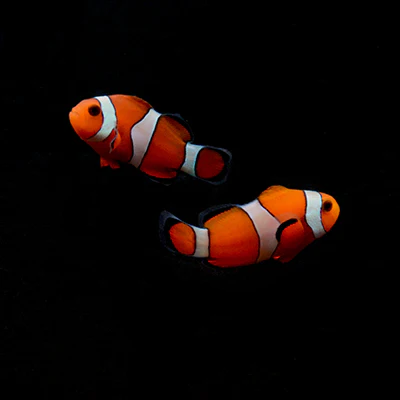
There is something deeply satisfying about watching two clownfish you own spawn, guard their eggs together, and eventually produce a new generation of healthy fry in your own home aquarium. Clownfish breeding is one of the most rewarding projects in the entire saltwater hobby, and it is far more achievable than most people think. The key is starting with the right pair from the right source. At Dr. Reef’s Quarantined Fish, every clownfish breeding pair is fully quarantined, confirmed bonded, and eating prepared foods before it ships to your door. Visit Dr. Reef’s website for current pricing and availability on all available breeding pairs.
Why Breed Clownfish?
Before diving into the how, it is worth understanding the why. Breeding clownfish at home is rewarding on multiple levels that go far beyond simply producing more fish.
Watching the natural courtship and spawning behavior of a bonded pair connects you to the biology of the ocean in a way that passive fish keeping simply cannot. The male cleaning a spawning site obsessively, the female making inspection passes, the actual egg deposition, and then both parents standing guard over the clutch with obvious dedication is one of the most compelling behavioral displays in the reef hobby.
Breeding also adds genuine long-term value to your aquarium investment. A healthy, productive breeding pair produces clutches every 10 to 14 days under good conditions. Over time, successfully raised fry can be grown out, traded, or sold within the reef community. And for hobbyists who keep designer morph clownfish like Picasso, Black Storm, or Gold Stripe Maroon variants, the offspring of quality breeding pairs can be extraordinarily valuable animals.
Perhaps most importantly, captive-bred clownfish are healthier, hardier, and more adaptable to aquarium life than wild-caught specimens. By supporting captive breeding at home, you contribute directly to reducing collection pressure on wild reef populations.
How to Choose a Clownfish Breeding Pair
Choosing the right breeding pair is the most important decision in the entire clownfish breeding process. A poorly matched, incompatible, or unhealthy pair will not produce consistent spawns regardless of how good your husbandry is.
Option One: Buy a Known Bonded Pair
The fastest, most reliable, and most beginner-friendly option is purchasing a confirmed bonded pair directly from Dr. Reef’s Quarantined Fish. A bonded pair has already completed the pairing process. The female is established, the male is established, their relationship is stable, and they are typically already spawning or close to it.
When you purchase a bonded pair from Dr. Reef, you skip the weeks to months of the natural pairing process, eliminate the risk of pairing aggression, and start with two fish that are already functioning as a breeding unit. For hobbyists who want to begin breeding as quickly as possible with the highest chance of success, a known bonded pair is the clear choice.
Option Two: Create Your Own Pair
If you prefer to go through the pairing process yourself, purchase two clownfish of the same species with a noticeable size difference. The larger fish will develop into the female, and the smaller will become the male. Introduce both fish simultaneously into a tank where neither has established territory.
The pairing process involves an initial period of the larger fish asserting dominance through chasing and nipping. The smaller fish communicates submission through a characteristic body-shaking or twitching behavior directed at the larger fish. This is entirely normal and should not be confused with harmful aggression. Once the submission behavior is established and the chasing reduces to occasional mild interactions, the pair is bonding successfully.
In most cases, a compatible pair of Ocellaris or Percula Clownfish will establish a stable bond within 2 to 8 weeks. Maroon Clownfish pairing can take longer and involves more intense initial interactions.
Species to Choose
The most commonly bred and beginner-friendly clownfish species for home breeding include:
Ocellaris Clownfish are the number one choice for beginners. They are the hardiest, most forgiving, most readily available, and produce large clutches reliably. Designer morphs like Picasso and Black Storm Ocellaris add exciting genetic variety to breeding projects.
Percula Clownfish breed just as readily as Ocellaris and produce high-value offspring, particularly in designer variants. Slightly more sensitive to water quality than Ocellaris, but still very manageable for attentive hobbyists.
Clarkii Clownfish are outstanding breeders with broad anemone compatibility and a wider natural size range that makes pairing straightforward. Their fry are robust and grow out quickly.
Gold Stripe Maroon Clownfish produce large clutches, dramatic offspring with developing gold stripe coloration, and are extremely rewarding breeders for intermediate hobbyists ready to work with a more assertive species.
Setting Up the Breeding Tank
A dedicated breeding tank separate from your main display produces the best breeding results. This allows you to maintain the pair without competition from other fish and gives you full control over the environment without the complexity of managing a community tank simultaneously.
Tank Size
A 20 to 40-gallon dedicated breeding tank is ideal for most clownfish species. A 55-gallon or larger tank is recommended for Maroon Clownfish, given their size and territorial requirements.
Water Parameters
- Temperature: 77 to 80 degrees Fahrenheit.
- pH: 8.1 to 8.4
- Ammonia and Nitrite: 0 ppm
- Nitrate: Under 10 ppm
Filtration
A quality sponge filter or gentle hang-on-back filter provides adequate biological filtration without creating strong flow that can stress the eggs or fry. Avoid powerheads with strong intakes near the spawning area. Sponge filters are particularly valuable in breeding setups because they provide both biological filtration and a safe food source for newly hatched fry through the microorganisms that colonize the sponge surface.
Spawning Tiles and Sites
Flat, smooth surfaces placed near the base of the tank encourage spawning. Unglazed ceramic tiles, smooth flat rocks, or dedicated spawning tiles available from aquarium suppliers work well. Place the tile in a partially sheltered location near the anemone host or a surrogate anemone. The male will select and clean this site obsessively in the days before spawning.
Anemone or Surrogate Host
An anemone host is not strictly necessary for clownfish to spawn but it strongly encourages spawning behavior and increases clutch sizes by providing the pair with a natural territory anchor. Bubble Tip Anemones work well for most species. If you prefer not to maintain a live anemone, a silk or artificial anemone substitute placed in the tank provides a hosting surrogate that many pairs readily accept.
Lighting
A consistent, natural photoperiod of 10 to 12 hours of light followed by 12 to 14 hours of darkness supports regular spawning cycles. Clownfish are highly sensitive to light cycle consistency and pairs that experience irregular or unpredictable lighting often reduce or stop spawning activity. A reliable timer on your lighting system is a simple and essential tool for consistent breeding success.
Understanding the Spawning Cycle
A healthy, well-bonded clownfish pair typically spawns every 10 to 14 days under stable conditions. Understanding each stage of the cycle helps you manage the breeding process effectively.
Pre-Spawning Behavior (2 to 5 Days Before)
The male begins cleaning the spawning site with increasing obsessiveness, removing algae, debris, and any foreign material from the flat surface. He will spend hours each day working on the tile. The female makes regular inspection visits to the cleaned site, nudging and examining the surface. Both fish may show increased appetite during this period.
Spawning
Spawning typically occurs in the late afternoon or early evening hours. The female makes slow, deliberate passes over the spawning tile, dragging her ovipositor across the surface and depositing rows of eggs. The male follows each pass immediately, fertilizing the eggs with his milt. The process takes 1 to 3 hours for a full clutch and is calm and methodical rather than frantic. A full clutch typically contains 100 to 500 eggs for Ocellaris and Percula, and 200 to 1000 eggs for larger species like Maroon Clownfish.
Egg Guarding (Days 1 to 7)
Immediately after spawning, both parents establish a tight defense perimeter around the egg clutch. The male fans the eggs continuously with his fins to oxygenate them and uses his mouth to remove any unfertilized or fungus-affected eggs before they can contaminate healthy ones. The female guards the perimeter aggressively, chasing any tank inhabitants that approach. The eggs begin as a vivid orange color and gradually darken over the incubation period as the developing larvae become visible inside.
Hatching (Days 6 to 10)
Hatching occurs at night, typically within the first 2 hours of darkness following the evening lights-off period. The larvae hatch simultaneously in a coordinated mass emergence and immediately swim up toward the water surface. If you are in a display tank setup, most fry will be lost to filtration or consumed overnight without intervention. If you have a dedicated breeding setup with a rearing system ready, this is when you transfer or collect the larvae.
Raising the Fry
Raising clownfish fry from larvae to juveniles is the most technically demanding but most deeply satisfying part of the breeding process.
The Rearing Tank
A 10 to 20-gallon rearing tank with a sponge filter, gentle aeration, stable temperature around 80 degrees Fahrenheit, and blackout sides to reduce stress and encourage feeding is the standard setup for clownfish larvae rearing. Keep lighting moderate and avoid sudden changes in light intensity, as newly hatched larvae are sensitive to photoshock.
First Foods: Rotifers
Newly hatched clownfish larvae are tiny, fragile, and have a very small mouth. They cannot consume food particles larger than approximately 50 to 150 microns in the first week of life. The standard first food is live rotifers, specifically Brachionus plicatilis, enriched with phytoplankton to increase their nutritional value.
Maintain a live rotifer culture alongside your breeding setup, so you have a consistent supply ready at the time of hatching. Dose the rearing tank with rotifers at a density of approximately 5 to 10 rotifers per milliliter of tank water. Replenish daily and maintain consistent rotifer density throughout the first 10 to 14 days.
Transitioning to Baby Brine Shrimp
Between days 10 and 14 post-hatching, clownfish larvae are large enough to begin eating freshly hatched baby brine shrimp, Artemia nauplii, as a transition food. Introduce baby brine shrimp gradually alongside rotifers and phase out the rotifers over several days as the fry demonstrate confident baby brine shrimp consumption.
Enriching baby brine shrimp with a commercial enrichment product before feeding them to fry improves nutritional value and accelerates healthy growth during this critical developmental stage.
Weaning to Prepared Foods
Between 3 and 5 weeks post-hatching, begin introducing finely crushed prepared foods alongside baby brine shrimp. High-quality fine-particle marine flake, powdered pellets, and frozen cyclops in small amounts start the transition to prepared diets. A fully weaned juvenile clownfish that accepts dry and frozen prepared foods is significantly easier to grow out and distribute than one dependent on live foods.
Water Quality in the Rearing Tank
Daily small water changes of 10 to 20 percent in the rearing tank are essential. Fry produce waste rapidly, and ammonia accumulation in a small rearing tank is the most common cause of fry losses after the first week. Use rearing tank water that has been temperature and salinity-matched to avoid shock during changes.
Watching Designer Coloration Develop
Between weeks 3 and 6 post-hatching, juvenile clownfish begin developing their adult coloration and stripe patterns. For designer morphs like Picasso or Black Storm, this is one of the most exciting stages of the entire breeding process. Individual fry begin displaying varying degrees of the designer trait, and you begin to see which fish in the batch carry the most dramatic genetic expression of the morph. Watching a batch of Picasso fry at three weeks of age and identifying the fish with the most extraordinary irregular white patterning is a genuinely thrilling experience that keeps clownfish breeders obsessively engaged in the hobby.
Why Dr. Reef’s Bonded Pairs Are the Best Starting Point
Every bonded clownfish pair available at Dr. Reef’s Quarantined Fish represents a significant investment in preparation before it ever reaches your door. Both fish have been through a full quarantine process and treated proactively for parasites. They are confirmed bonded through direct observation of stable pairing behavior. Both fish are eating prepared foods confidently. And they arrive in the best possible health condition to begin or continue a productive breeding relationship in your tank.
For hobbyists who want to skip the uncertainty of the pairing process and begin their breeding journey with the highest possible chance of success, Dr. Reef’s confirmed bonded pairs are the single best starting point available in the online marine fish hobby.
Visit Dr. Reef’s Quarantined Fish website for current availability of bonded pairs across Ocellaris, Percula, Clarkii, Maroon, and designer morph species. Stock on confirmed bonded pairs changes regularly, and quality pairs sell quickly.
Final Thoughts
Breeding clownfish at home is one of the most accessible, most rewarding, and most endlessly engaging projects available to saltwater hobbyists at any experience level. It connects you to the natural biology of the reef, adds real long-term value to your aquarium investment, supports the shift away from wild collection, and produces an experience that never gets old, no matter how many clutches you raise.
Starting with a confirmed bonded pair from Dr. Reef’s Quarantined Fish gives you the healthiest, best-prepared foundation available for your breeding journey. Every pair from Dr. Reef arrives fully quarantined, parasite-free, confirmed bonded, and eating confidently, everything you need to begin one of the most satisfying chapters of your reef-keeping life.
Visit Dr. Reef’s Quarantined Fish website today for current pricing, available species, and bonded pair stock.