
Banded Cat Shark for Sale: Care Requirements, Tank Size, and Buying Tips

Banded Cat Shark for Sale: Care Requirements, Tank Size, and Buying Tips
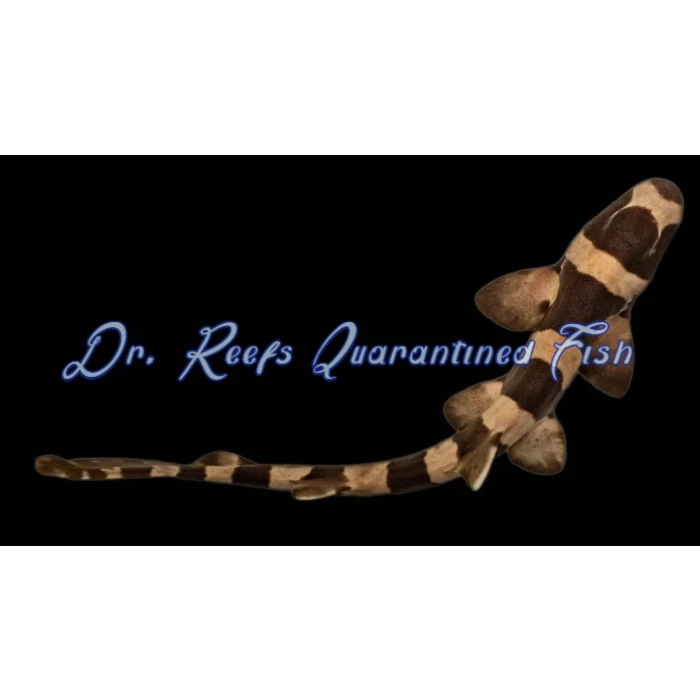
If keeping a shark in your home aquarium has always been a dream, the Banded Cat Shark is the species that makes that dream genuinely achievable. Striking in appearance, manageable in size compared to most shark species, and endlessly fascinating to observe, the Banded Cat Shark is one of the most rewarding specialty animals available in the saltwater hobby today. At Dr. Reef’s Quarantined Fish, every Banded Cat Shark is fully quarantined, properly conditioned, and eating before it ships to your door. Visit Dr. Reef’s website for current pricing and availability.
What Is a Banded Cat Shark?
The Banded Cat Shark, known scientifically as Chiloscyllium punctatum, is a small, bottom-dwelling shark native to the tropical Indo-Pacific Ocean, found throughout the coastal waters of Southeast Asia, Australia, Japan, and the surrounding Pacific region. It is also commonly called the Brown-banded Bamboo Shark or simply the Bamboo Shark, names that reflect both its distinctive juvenile banding pattern and its slender, bamboo-like body shape.
Juvenile Banded Cat Sharks display bold, alternating dark brown and cream-colored bands that wrap around the entire length of their body, creating one of the most visually dramatic patterns of any small shark species. As the shark matures into adulthood, these bands gradually fade and are replaced by a more uniform brownish-gray coloration with fine spotting. Both the juvenile banded phase and the adult spotted phase are beautiful in their own distinct ways, and watching the color transformation over the shark’s first few years is one of the unique pleasures of keeping this species.
Most Banded Cat Sharks reach 36 to 40 inches at full adult size, making them one of the larger small shark species commonly kept in home aquariums. They are bottom-dwelling, primarily nocturnal hunters with a calm, unhurried presence that gives large display tanks a genuinely wild, natural feeling that no bony fish can replicate.
Why Buy From Dr. Reef’s Quarantined Fish?
Purchasing a Banded Cat Shark is one of the most significant investments a home marine aquarist can make. The animal itself, the tank required to house it properly, and the filtration needed to support it represent a serious commitment of resources. Starting that investment with an unquarantined, improperly prepared shark dramatically increases the risk of early losses and unnecessary heartbreak.
At Dr. Reef’s Quarantined Fish, every Banded Cat Shark goes through a comprehensive preparation process before shipping:
- Full quarantine observation period monitoring swimming behavior, resting posture, feeding response, and overall body condition daily
- Proactive treatment for external parasites, including flukes and skin pathogens that commonly affect newly imported elasmobranchs
- Food conditioning so the shark is already accepting frozen and prepared prey items before it leaves the facility
- Health screening confirming clear eyes, smooth, intact skin, normal swimming posture, and alert sensory response
- Only sharks meeting every health and behavioral standard are approved for shipping
An unconditioned Banded Cat Shark that arrives stressed and refusing food can go weeks without eating, creating an extremely difficult and stressful management situation in a home aquarium. Dr. Reef’s quarantine process eliminates that risk and gives you the healthiest, most prepared starting point available for this extraordinary species.
Visit Dr. Reef’s Quarantined Fish website for current pricing and stock availability.
Species Overview
Scientific Name: Chiloscyllium punctatum
Common Names: Banded Cat Shark, Brown-banded Bamboo Shark, Bamboo Shark
Origin: Indo-Pacific Ocean, Southeast Asia, Australia, Japan
Adult Size: 36 to 40 inches
Lifespan: 20 to 25 years with excellent care. The Banded Cat Shark is a genuine multi-decade companion.
Temperament: Peaceful toward fish too large to eat. Predatory toward small fish and all invertebrates. Not aggressive toward humans under normal circumstances.
Activity Level: Low to moderate. Primarily nocturnal. Rests motionless on the substrate during daylight hours and becomes active during evening and night feeding periods.
Reproduction: Oviparous egg layer. Females deposit tough, leathery egg cases containing single embryos that develop over several months before hatching.
Care Requirements
Water Parameters
Banded Cat Sharks are elasmobranchs and share the same heightened sensitivity to water quality that characterizes all sharks and rays.
- Temperature: 72 to 78 degrees Fahrenheit
- Salinity: 1.022 to 1.025 specific gravity
- pH: 8.1 to 8.4
- Ammonia and Nitrite: 0 ppm. Absolutely zero. Even brief ammonia spikes cause serious neurological damage in sharks that can result in permanent spinning behavior and death.
- Nitrate: Under 20 ppm at all times
- Dissolved Oxygen: High. Strong surface agitation and excellent gas exchange are essential.
Substrate
Fine, soft sand substrate is non-negotiable for the Banded Cat Shark. This species spends most of its life resting directly on the tank bottom, and its ventral skin is sensitive to abrasion by rough, coarse, or hard substrates. Use fine aragonite sand at a depth of 2 to 3 inches throughout the tank floor. A bare-bottom tank will cause progressive abrasion damage to the shark’s underside, leading to open wounds and secondary infections over time.
Lighting
Subdued to moderate lighting is appropriate. Banded Cat Sharks are nocturnal and naturally avoid intense light. A gentle dawn-and-dusk cycle using a timer, combined with red LED supplemental lighting for nighttime observation, creates an ideal environment that encourages natural behavior and allows you to enjoy the shark’s most active periods.
Filtration
Heavy, oversized filtration is essential. Banded Cat Sharks produce substantial biological waste and require filtration rated well above the actual tank volume. A large sump with deep biological media beds, strong mechanical filtration, and a high-quality protein skimmer working together form the minimum filtration requirement. Weekly water changes of 15 to 20 percent maintain the water quality standards this species demands for long-term health.
Equipment Safety
All powerhead and return pump intakes must be covered with sponge pre-filter guards. Banded Cat Sharks explore their environment with their snout and can be seriously injured by unprotected equipment. Use titanium or externally mounted heaters to eliminate the risk of in-tank glass heaters. Check all equipment regularly for any potential injury hazards at the sand bed level.
Tank Size Requirements
Tank size is the most critical and most commonly underestimated aspect of Banded Cat Shark keeping. Getting this right from the start is essential.
Minimum Tank Size
A juvenile Banded Cat Shark can begin in a 180-gallon system, but this should be considered a starting point rather than a permanent home. A full-grown adult Banded Cat Shark reaching 36 to 40 inches requires a minimum of 300 gallons with a tank length of at least 8 feet.
Why Length Matters More Than Volume
Banded Cat Sharks are elongated, bottom-dwelling animals that need straight-line swimming space on the tank floor. A tall, narrow tank with high volume but short floor length is far less suitable than a longer, lower-profile tank with equivalent or even lower volume. The shark must be able to turn around on the sand bed without hitting the tank walls, which requires both adequate length and adequate width.
For a 36 to 40-inch adult shark, a tank with an 8-foot length and a 30 to 36-inch width provides the minimum practical floor space. Longer is always better.
Planning for Adult Size
One of the most important pieces of buying advice for anyone considering a Banded Cat Shark is to plan your upgrade path before you purchase the juvenile. Many hobbyists purchase juvenile Bamboo Sharks at 6 to 8 inches, enjoy them in a 100-gallon starter system, and then face the stressful and expensive situation of having a 30-inch shark in a tank it has outgrown. Know your upgrade timeline and have your 300-gallon system ready before the shark needs it.
Footprint Over Height
When selecting or building a tank for a Banded Cat Shark, always prioritize a large floor footprint over tank height. The shark lives on the bottom. A vertical water column above 18 to 24 inches of swimming depth provides minimal benefit to the shark itself. Invest that volume into floor length and width instead.
Diet and Feeding
What to Feed
- Frozen shrimp with shell on (one of the best and most nutritionally complete staple foods)
- Frozen squid
- Frozen clam meat
- Frozen silversides and other whole small fish
- Fresh fish fillet pieces, including tilapia, whitefish, and salmon
- Frozen krill as a dietary supplement
Feeding Technique
Present food to the shark using long stainless steel feeding tongs during the evening period when the shark is naturally most active. Place food directly on the sand bed near the shark’s snout. Banded Cat Sharks detect prey primarily through electroreception and olfaction rather than vision, so food placed near the head area will be detected quickly by a hungry, conditioned animal.
Never use bare hands for feeding. The bite reflex of a Banded Cat Shark is powerful and will activate in response to food scent, regardless of what object the teeth connect with.
Feeding Schedule
Feed adults two to three times per week. Juveniles can be fed every other day in appropriately sized portions. Consistent moderate feeding rather than infrequent large feedings produces better water quality and healthier digestive function.
Buy Captive-Bred or Quarantined Animals Only
Wild-caught Banded Cat Sharks frequently arrive carrying significant parasite loads, carrying physical stress injuries from collection and transport, and refusing food for extended periods. The difference in adjustment time, health trajectory, and long-term survival between a properly quarantined animal and a freshly imported wild-caught specimen is dramatic.
Dr. Reef’s Quarantined Fish applies full quarantine protocols and food conditioning to every Banded Cat Shark before it ships. This single decision, buying from a quarantined source, is the most important buying tip available for this species.
Check Stock and Pricing at Dr. Reef
Banded Cat Shark availability varies. Visit Dr. Reef’s Quarantined Fish website directly for current pricing, available sizes, and stock status. Properly quarantined elasmobranch animals sell quickly, and availability changes regularly.
Tank Compatibility
Compatible Tank Mates
Banded Cat Sharks are tolerant of large, non-aggressive fish that share their tank without competing for territory or harassing the shark. Suitable companions in a 300-gallon or larger system include:
- Large Groupers of similar or greater size
- Large Angelfish
- Large Tangs and Surgeonfish
- Large Wrasses
- Moray Eels are housed in rock structures away from the sand bed
- Large Pufferfish in FOWLR setups
Do Not House With
- Any fish small enough to fit in the shark’s mouth
- Ornamental shrimp, crabs, lobsters, or any small crustaceans
- Aggressive species like large Triggerfish that may bite the shark’s fins or tail
- Stingrays, unless the system is large enough for both animals to occupy separate bottom territories completely
- Other Banded Cat Sharks in systems under 400 gallons, unless a confirmed compatible pair
Reef Compatibility
The Banded Cat Shark is not reef-safe and belongs exclusively in a large FOWLR or dedicated predator display setup. Its consumption of all invertebrates, physical disruption of the sand bed, and incompatibility with the delicate balance of a coral reef system make reef keeping impractical with this species.
Common Health Issues and Prevention
Ammonia Sensitivity: The most acutely dangerous health risk for captive sharks. Even brief ammonia spikes cause neurological damage. A fully cycled, stable tank and immediate response to any water quality issues are the primary prevention tools.
Abrasion Injuries: Caused by inappropriate substrate, sharp aquascape at the sand level, or an undersized tank where the shark contacts the walls repeatedly. Correct substrate and adequate tank size prevent this entirely.
Parasitic Infections: Treated proactively during Dr. Reef’s quarantine process before shipping, dramatically reducing the risk of arriving with active parasite burdens.
Food Refusal: Occasionally occurs in newly introduced animals during the tank adjustment period. A food-conditioned shark from Dr. Reef typically begins eating within the first week. Give the shark 3 to 5 days to settle before attempting the first feeding.
Fin and Tail Damage: Caused by aggressive tank mates, sharp aquascape edges, or powerhead contact. Proper equipment guarding and appropriate tank mate selection prevent physical injuries.
Frequently Asked Questions
How long does the banding pattern last on a juvenile Banded Cat Shark?
The bold juvenile banding typically begins fading between 12 and 24 months of age as the shark matures. The transition to adult coloration is gradual, with the bands softening and spots developing over a period of several months. The adult coloration is more subtle than the juvenile pattern but has its own quiet elegance.
Can a Banded Cat Shark be kept with a Coral Cat Shark?
In a very large system of 400 gallons or more with adequate separate territories, these two species can sometimes coexist. However, two sharks of any species in the same tank require careful monitoring and a genuine commitment to intervening if territorial conflict develops.
Is the Banded Cat Shark aggressive toward humans?
Not under normal circumstances. They are not predatory toward humans, and their default response to disturbance is to move away rather than to approach. However, their bite reflex will activate in the presence of food scent regardless of the object their teeth contact. Exercise appropriate caution during feedings and tank maintenance.
Do Banded Cat Sharks need a chiller?
Depending on your home climate and existing tank temperature management, a chiller may or may not be required. In warmer climates and during summer months, a chiller is often needed to maintain temperatures in the 72 to 78-degree range. Plan for this possibility when budgeting your setup.
Where can I find current pricing for Banded Cat Sharks at Dr. Reef?
Visit Dr. Reef’s Quarantined Fish website directly for current pricing ($399.99 ), available sizes, and inventory status.
Does Dr. Reef offer a live arrival guarantee?
Yes. Dr. Reef’s Quarantined Fish stands behind every animal they ship. Visit the website for the most current guarantee and shipping policy details.
Final Thoughts
The Banded Cat Shark is one of the most extraordinary animals available to the home marine aquarist. It is visually stunning at every stage of its life, behaviorally fascinating to observe, long-lived enough to become a true multi-decade companion, and manageable enough in size that a serious dedicated hobbyist can genuinely meet its needs at home.
At Dr. Reef’s Quarantined Fish, every Banded Cat Shark arrives fully quarantined, properly conditioned, and eating, giving you the best possible foundation for one of the most rewarding commitments in the saltwater hobby.
Visit Dr. Reef’s Quarantined Fish website today for current pricing and availability.