
Blog

Crosshatch Trigger for Sale: Premium Fish Care Guide, Diet, and Compatibility
Crosshatch Trigger for Sale: Premium Fish Care Guide, Diet, and Compatibility
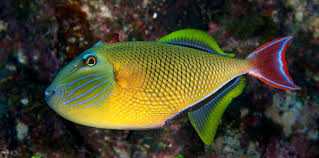
Some fish are beautiful. Some fish are rare. A very small number are both. The Crosshatch Triggerfish sits at the absolute top of that short list and has for decades. It is the fish that experienced marine hobbyists talk about in the same breath as the most coveted species in the ocean. Not because of hype. Because it earns it.
Its body is covered in a precise crosshatch pattern of fine yellow lines on a silver-white base, with a vivid red-edged tail that lights up like a warning sign under tank lighting. The male adds a bold yellow face to the picture. It is not flashy in the way a painted fish is flashy. It is elegant. Precise. The kind of beauty that looks better the longer you look at it. And in a large display aquarium with proper lighting, it is the undeniable centerpiece of everything around it.
The Crosshatch Triggerfish, scientifically known as Xanthichthys mento, is priced at $799.99 to $999.99 at Dr. Reef’s Quarantined Fish. That price reflects exactly what this fish is: a deep-water, collector-grade species that is rarely available, rarely healthy when unquarantined, and genuinely irreplaceable once it settles into the right tank.
What Is the Crosshatch Triggerfish?
Xanthichthys mento is a deep-water triggerfish found across the Indo-Pacific and eastern Pacific, most commonly collected from Hawaii and surrounding deep reef zones at depths of 30 to 200 feet or more. Its preference for deeper, open-water environments is what makes it so different from most triggerfish species in the hobby, and so much easier to keep with corals and invertebrates than its reputation might suggest.
The male Crosshatch is the showpiece. Silver-white body with a precise yellow crosshatch grid running across the scales, a vivid yellow face, and a deeply forked red-edged tail fin that trails elegantly as the fish cruises in open water. The female is more subdued, with similar crosshatch patterning but a less vivid face and tail. Both sexes grow to approximately 11 to 14 inches at full adult size.
Like the Blue Throat Triggerfish, the Crosshatch is a plankton and zooplankton feeder in the wild rather than a coral crusher or invertebrate hunter. That feeding biology is the key to why it can be kept with more delicate tank mates than most trigger species. It has no natural drive to attack corals, bite rock work, or destroy a cleanup crew. What it wants is open water, strong flow, and food drifting past in the current.
Crosshatch Triggerfish at a Glance
- Scientific Name: Xanthichthys mento
- Common Names: Crosshatch Triggerfish, Crosshatch Trigger
- Adult Size: 11 to 14 inches
- Temperament: Semi-aggressive; generally peaceful toward non-competing species
- Reef Compatible: Yes, with caution around ornamental shrimp and small invertebrates
- Minimum Tank Size: 180 gallons
- Diet: Carnivore; primarily zooplankton and meaty foods in captivity
- Water Temperature: 72 to 78 degrees Fahrenheit
- Salinity: 1.020 to 1.025
- pH: 8.1 to 8.4
- Price at Dr. Reef’s: $799.99 to $999.99
Why the Crosshatch Trigger Commands a Premium Price
The price range of $799.99 to $999.99 at Dr. Reef’s is not inflated. It reflects genuine scarcity and the cost of bringing a healthy, stable specimen to market.
Crosshatch Triggerfish are collected from deep water, typically below 60 feet and often much deeper. Collection at depth requires specialized equipment, experienced divers, and a careful decompression process for the fish before it can survive in surface conditions. The mortality rate during this collection and transport process is significantly higher than for shallow-reef species. Fewer fish make it through the supply chain alive and healthy.
Once acquired, Crosshatch Triggerfish are notoriously sensitive to poor acclimation and unstable water conditions during the early weeks in captivity. An unquarantined specimen that arrives stressed, underfed, and carrying parasites has a very slim survival window regardless of how good the destination tank is.
That is exactly why the quarantine process at Dr. Reef’s is not optional for this fish. It is essential. Every Crosshatch at Dr. Reef’s is fully quarantined, medically treated, observed, and confirmed eating before it ships. For a fish at this price point, that level of pre-sale care is the difference between a fish that thrives for a decade and a loss.
Tank Requirements for the Crosshatch Triggerfish
- Tank Size
A minimum of 180 gallons is required. The Crosshatch is an active, open-water swimmer that cruises back and forth across the full length of a display tank. Anything smaller than 180 gallons will make this fish chronically stressed and its movements visibly restricted. A 200-gallon or larger system is the ideal setting and will allow the fish to fully express its natural behavior.
The Crosshatch comes from deep-water reef environments with strong, clean oceanic flow. It thrives with powerful, variable flow in the display tank. Multiple wavemakers or high-output return pumps creating randomized flow patterns replicate the environment this fish evolved in and keep it active, healthy, and displaying its best color. Poor flow and low oxygen will cause rapid decline in this species.
- Water Quality
Crystal clean water is not optional for the Crosshatch. This is a fish that comes from some of the clearest, most oxygen-rich water in the ocean. Elevated nitrates, elevated dissolved organics, and temperature swings cause visible stress within days. Maintain a robust protein skimmer, effective biological filtration, and consistent water change schedule of at least 15 percent bi-weekly. A large sump with generous refugium helps stabilize parameters and buffer against swings.
Water Parameters
- Temperature: 72 to 78 degrees Fahrenheit
- Salinity: 1.020 to 1.025 specific gravity
- pH: 8.1 to 8.4
- Nitrates: Keep below 10 ppm for best long-term health
- Ammonia and Nitrite: 0 ppm at all times
Feeding the Crosshatch Triggerfish
Diet is one of the most important factors in keeping a Crosshatch Triggerfish thriving long-term, and it is also one of the most enjoyable parts of ownership. These fish are enthusiastic, responsive feeders that learn feeding routines quickly and will swim to the front of the tank at the first sign of food preparation.
In the wild, Crosshatch Triggers are planktivores that feed on zooplankton, small crustaceans, and organisms drifting in the open water column. In captivity, they adapt readily to a varied meaty diet including large frozen mysis shrimp, krill, silversides, chopped squid, clam on the half shell, and high-quality large marine pellets.
Feed two to three times per day in portions the fish will fully consume within three to four minutes. Broadcast feeding into strong flow replicates the natural drift-feeding behavior and produces the best feeding response. The Crosshatch will cruise through the current, picking food out of the water column exactly as it would on its home reef.
Offer hard-bodied prey like whole krill and shrimp with shells occasionally. Triggerfish have strong, fused teeth designed for crunching hard prey. Hard food items keep the teeth naturally worn and prevent overgrowth, which is a real health concern for triggerfish kept exclusively on soft foods over years.
Avoid overfeeding. The Crosshatch is a confident, greedy feeder and will continue accepting food well past satiation. Uneaten food degrades water quality rapidly in a large system and can cause the parameter spikes this species is sensitive to.
Compatibility: The Crosshatch as a Community Fish
Here is where the Crosshatch Trigger surprises most hobbyists who assume all triggerfish are the same. When compared to species like the Clown, Undulate, or Picasso Trigger, the Crosshatch is notably calmer and more compatible with a broader range of tank mates.
It will not typically harass other large, confident fish. Large tangs, substantial wrasses, groupers, large angelfish, and even other open-water trigger species like the Niger or Blue Throat can coexist well with the Crosshatch in a large enough system. The key word is large. In a 200-gallon or bigger display with adequate swimming space, the Crosshatch generally patrols its open-water zone without obsessing over tank mates.
The areas where caution is required are with ornamental shrimp, very small fish under 3 inches, and slow-moving invertebrates. The Crosshatch’s instinct to pick at crustaceans can surface in a reef tank, making cleaner shrimp and fire shrimp risky additions to the same system. Large hermit crabs and sea urchins tend to fare better.
The Crosshatch should not be kept with other Crosshatch Triggers unless the tank is very large, typically 300 gallons or more, and the fish are introduced simultaneously. Territorial behavior between two Crosshatch males in a standard display will result in one fish being persistently harassed.
Why Buy Your Crosshatch Trigger From Dr. Reef’s Quarantined Fish?
There is no responsible way to purchase a Crosshatch Triggerfish at this price point from a source that skips quarantine. The fish is too sensitive, too valuable, and too rare to gamble on an unvetted specimen.
Every Crosshatch at Dr. Reef’s goes through a complete medical quarantine and health observation protocol. The fish arrives treated, eating, stable, and confirmed healthy before it ever ships. That level of pre-sale care is the single most important factor in long-term Crosshatch success, and it is what separates Dr. Reef’s from standard retail sources.
Every order ships overnight via UPS, Tuesday through Thursday, for Wednesday through Friday delivery. Free shipping applies on orders over $500. Payments are accepted via PayPal, Stripe, and Venmo. A 24/7 email support team is available for any questions before or after your purchase.
Visit drreefsquarantinedfish.com today to check current availability and order your Crosshatch Triggerfish. This is the fish that defines a display tank.