
Zebra Horn Shark for Sale: Care Guide, Tank Size, and Ownership Requirements

Zebra Horn Shark for Sale: Care Guide, Tank Size, and Ownership Requirements
Looking for a Zebra Horn Shark for sale? Discover the full care guide, tank size requirements, feeding tips, and ownership commitment for the Zebra Bullhead Shark at $3,999.99 from Dr. Reef’s Quarantined Fish.
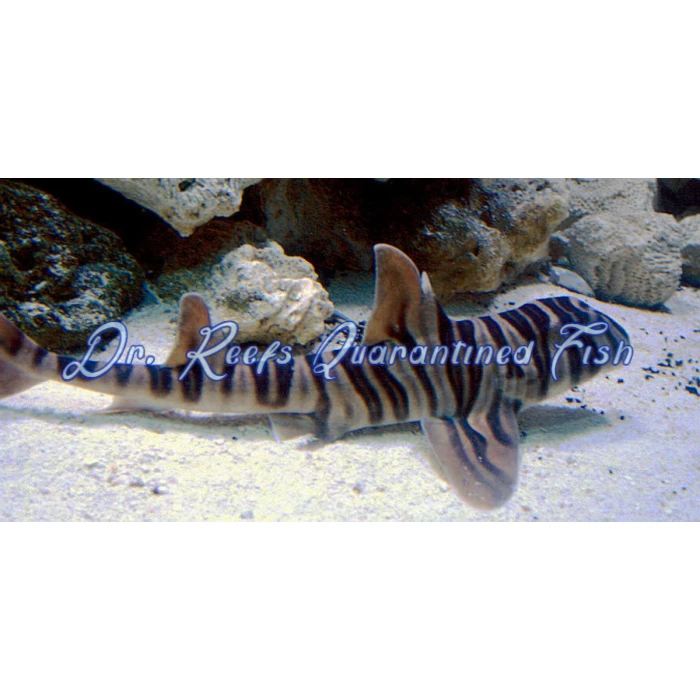
There are fish that fill a tank. And then there is the Zebra Horn Shark, a creature that completely transforms one. The moment a juvenile Zebra Bullhead Shark glides across a deep sand bed, its bold black and white striped body catching the light, every other animal in the room becomes secondary. This is not a beginner fish. It is not an impulse purchase. It is one of the most extraordinary animals available in the entire saltwater hobby, and owning one is a commitment that demands serious preparation, serious equipment, and a serious love for the craft.
Dr. Reef’s Quarantined Fish has the Zebra Bullhead Shark available at $3,999.99. If you are ready for what that commitment actually means, this guide covers everything you need to know before one arrives at your door.
What Is the Zebra Horn Shark?
The Species Behind the Name
The Zebra Horn Shark goes by several names in the hobby. Zebra Bullhead Shark, Barred Bullhead Shark, Striped Bullhead Shark, and Zebra Horn Shark all refer to the same animal: Heterodontus zebra. It belongs to the Heterodontidae family, a group commonly called bullhead or horn sharks, named for the distinctive spine-like ridges that run in front of each dorsal fin. The scientific name breaks down directly from Greek, with heteros meaning different and odontos meaning tooth, which is an accurate description of this animal’s two different tooth types designed for two different jobs.
Where It Comes From
This shark is native to the Western Pacific Ocean, ranging from the coastal waters of Japan in the north, south through the Philippines and Indonesia, and down to the northwestern coast of Australia and Queensland. It lives in reef-associated environments at depths ranging from the shallows all the way down to around 200 meters. In its natural habitat it spends daylight hours wedged into rocky crevices and caves, emerging at dusk to hunt across sandy and rocky reef bottoms.
Appearance: Juveniles vs Adults
This is one of the most visually dramatic transformation stories in the shark world. Juveniles carry the bold, high-contrast zebra pattern that makes this species instantly recognizable. Narrow black vertical bands run across a cream or tan body in a striking alternating pattern that looks almost designed rather than natural. As the shark matures into adulthood, that pattern gradually transitions into a spotted arrangement more reminiscent of a leopard shark. Both phases are visually stunning, but the juvenile coloration is what draws most serious collectors to this species in the first place.
Adults reach a maximum recorded length of around 50 inches, which is just over four feet. Growth is slow, which is part of what makes this species manageable compared to other sharks of similar eventual size.
Tank Size Requirements
The Minimum You Need
This is where the conversation about the Zebra Horn Shark gets serious very quickly. This animal requires a dedicated, purpose-built aquarium of enormous proportions. A minimum of 300 gallons is the starting point for a juvenile specimen, and that number grows significantly as the shark approaches adult size.
Many experienced shark keepers and public aquarium professionals recommend 500 gallons or more per animal for a fully grown specimen. The reason is not just body length. A shark cannot back up. It can only turn, and it needs enough open floor space to complete that turn without hitting the walls of the tank. This means tank width and length matter just as much as total volume. A tall narrow tank with 500 gallons of water is far less suitable than a long, wide tank with the same volume.
Rounded tank corners are strongly preferred over sharp 90-degree angles. Sharp corners create areas where the shark can become wedged or where its skin makes repeated abrasive contact during turns. That skin damage creates entry points for infection. Design the tank with the shark’s body in mind from day one.
Sand Bed and Rockwork
The Zebra Horn Shark is a bottom-dweller. It spends enormous amounts of time resting directly on the substrate, which means the sand bed is not optional decoration. A deep, fine sand bed protects the shark’s ventral surface and the sensory pores running along its underside. Coarse gravel or bare glass causes constant abrasion damage to those surfaces and creates chronic stress and injury over time.
Stable rockwork with caves, ledges, and crevices gives this nocturnal animal the sheltered resting spots it expects. The rockwork must be firmly secured. A shark of this size moving through a tank with unsecured rocks is an accident waiting to happen. Cement or aquarium-safe epoxy to anchor every significant rock structure before the shark enters the system.
All decorations, equipment housings, and structural elements inside the tank must have smooth surfaces. Anything with sharp edges, rough textures, or protrusions creates a risk of skin injury every time the shark brushes past it during its nightly movements.
Water Parameters and Filtration
Temperature: Cooler Than You Think
This is one of the most important and most frequently overlooked requirements for the Zebra Horn Shark. This species is subtropical, not tropical. Its preferred temperature range sits between 60 and 72 degrees Fahrenheit. It can tolerate temperatures up to around 79 degrees, but sustained exposure to tropical reef tank temperatures causes chronic stress and gradually shortens the animal’s lifespan.
Keeping this shark at the right temperature almost always requires a dedicated aquarium chiller. This is a significant equipment cost on top of the tank itself, the filtration system, and the lighting. Factor it into your total setup budget before purchasing.
Filtration Demands
A large predatory shark produces an enormous bioload. The filtration system for a Zebra Horn Shark tank needs to be significantly oversized relative to the tank volume. Heavy protein skimming, robust biological filtration through live rock or dedicated bio-media, and mechanical filtration to handle waste particles all need to work together continuously.
Water quality must stay stable and clean at all times. This shark is sensitive to ammonia and nitrite spikes and does not recover from poor water quality events the way smaller, hardier fish might. Weekly water testing and regular partial water changes are part of the routine ownership of this animal.
Copper must never enter a tank housing this shark or any Heterodontus species. The shark is highly sensitive to copper at any concentration. Use only copper-free treatments and medications if any water column intervention is ever needed.
Feeding Requirements
What This Shark Eats
The Zebra Horn Shark has two types of teeth that tell the story of its diet. Sharp teeth in the front of the jaw grip and secure prey. Flatter, molar-like teeth toward the rear of the jaw crush hard-shelled animals with significant force. In the wild, this shark eats crustaceans, mollusks, sea urchins, and small fish it encounters during nocturnal hunting runs across the reef floor.
In captivity, feed a varied diet of whole shrimp, squid, clams, crab, and other meaty saltwater foods. Whole prey items provide more complete nutrition than fillets because they include organ tissue, bones, and shell material that deliver essential nutrients no prepared food fully replicates. Shark-specific vitamin and mineral supplements added to food several times per week support long-term health and immune function.
How To Feed Safely
Use a feeding stick or feeding tong to deliver food directly near the shark’s head during evening feeding sessions. Hand feeding is not recommended. This shark has a powerful bite and during feeding its focus is entirely on prey capture. Accidents during hand feeding are not uncommon even with the most docile individual sharks.
Feed during the evening or nighttime hours when this nocturnal animal is naturally active and most receptive to eating. Feeding a resting, inactive shark during the day is less effective and creates unnecessary stress.
Compatibility and Tank Mates
What Can Live With This Shark
Tank mate selection for the Zebra Horn Shark requires genuine thought and conservative choices. Any fish small enough to fit in this shark’s mouth is a potential meal. Smaller fish, timid species, and any slow-moving invertebrates do not belong in the same system. Large, robust fish that occupy the upper and middle water column and can hold their own in a tank with a bottom-dwelling predator are the practical choices.
Other large, similarly sized fish with assertive personalities tend to coexist more successfully than small or delicate species. Research every potential tank mate at adult size, not juvenile size, before making any decisions.
What To Avoid Completely
Do not house this shark with fish that nip at fins or tail tips. Repeated nipping causes stress, injury, and secondary infection in sharks that compound quickly in a large closed system. Aggressive feeders that compete directly with the shark during meal times create chronic feeding stress that affects long-term health.
Any invertebrate that cannot escape or defend itself from this shark’s crushing bite is simply a meal waiting to happen. This animal is not a reef tank resident.
Legal Considerations and Long-Term Commitment
Check Your Local Laws First
Before purchasing a Zebra Horn Shark, verify that ownership is legal in your specific state, county, and municipality. Shark ownership regulations vary significantly across the United States and in many international locations. Some jurisdictions require permits. Others restrict ownership of specific species entirely. This is a non-negotiable first step that must happen before any money changes hands.
This Is a 15 to 20 Year Commitment
The Zebra Horn Shark is a long-lived animal. Well-maintained captive specimens live 15 to 20 years or longer. That lifespan means every purchase decision carries a decades-long responsibility. The tank, the filtration, the chiller, the feeding routine, the water changes, the veterinary relationships, and the contingency planning for equipment failure all need to be sustainable for the full expected lifespan of the animal.
This is not a fish you upgrade from. Plan for the adult size from day one and build the system around those requirements before the shark ever enters the water.
Why Buy From Dr. Reef’s Quarantined Fish
Purchasing a Zebra Horn Shark is one of the most significant livestock decisions a hobbyist can make. The source of the animal determines the health and condition of what arrives at your door, and with a $3,999.99 animal, that matters enormously.
Every shark sold through Dr. Reef’s Quarantined Fish goes through a full quarantine and observation process before shipping. Each animal is monitored for health, confirmed eating on a varied diet including hard-shelled prey items, and cleared by a team with genuine shark husbandry experience before it is offered for sale. Copper is never used in their holding or treatment protocols, which protects this copper-sensitive species from the start.
The team at Dr. Reef’s understands what this animal requires and communicates honestly about the demands of ownership. They are not simply selling a product. They are placing a rare and extraordinary animal with a buyer who is genuinely prepared to meet its needs for the next two decades.
That level of care and transparency is rare in the hobby. For an animal at this price point and this commitment level, it is exactly what you need from the source you trust.
Questions and Answers
Q: How big does the Zebra Horn Shark get in a home aquarium?
This shark reaches a maximum length of around 50 inches in the wild. Captive growth is slower, but adults in a properly sized and fed home system can absolutely reach full size over time. Plan your tank around adult dimensions from day one.
Q: What temperature does the Zebra Horn Shark need?
It prefers water between 60 and 72 degrees Fahrenheit. A dedicated aquarium chiller is required for most home setups to maintain those temperatures consistently. Tropical reef tank temperatures are too warm for this species long term.
Q: Can I keep this shark in a reef tank?
No. This animal eats invertebrates as a natural part of its diet and requires temperatures incompatible with tropical coral systems. It belongs in a dedicated large predator tank designed specifically around its needs.
Q: Is copper safe to use in a tank housing this shark?
Never. This species and all Heterodontus sharks are highly sensitive to copper at any concentration. Only copper-free treatments should ever be used in a system housing this animal.
Q: How long does this shark live?
With proper care, appropriate tank size, stable water quality, and a varied nutritious diet, this species lives 15 to 20 years or more in captivity. This is a long-term commitment that spans decades.
Q: Do I need a permit to own a Zebra Horn Shark?
Regulations vary by location. Check your specific state, county, and municipal laws before purchasing. Some jurisdictions require permits for shark ownership and some restrict specific species entirely. Verify legal status first.
Q: Why is the Zebra Horn Shark priced at $3,999.99?
This species is genuinely rare in the aquarium trade. It requires specialized collection, expert handling, copper-free quarantine protocols, and significant care before it reaches a buyer. The price reflects the rarity of the animal, the cost of responsible quarantine, and the premium that serious collectors place on a confirmed healthy, acclimated specimen from a trusted source.
Is the Zebra Horn Shark Right for You?
If you have the tank, the filtration, the chiller, the feeding commitment, the legal clearance, and the willingness to care for a living animal for the next 15 to 20 years, then yes. The Zebra Horn Shark is one of the most extraordinary animals the saltwater hobby has to offer. There is nothing else quite like watching this shark patrol a deep sand bed under evening lighting, its bold pattern catching every angle of light in the room.
Visit Dr. Reef’s Quarantined Fish today and inquire about the Zebra Bullhead Shark. This animal does not come available often and it does not stay available long when it does.