
Pipefish for Sale: Care Guide for Seahorse Lovers

Pipefish for Sale: Care Guide for Seahorse Lovers
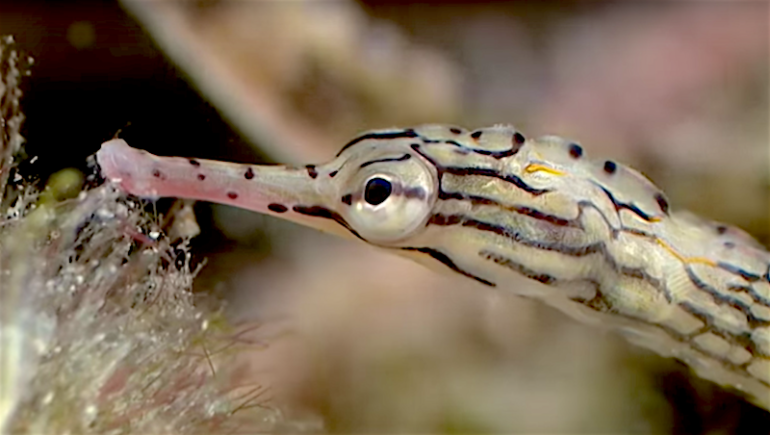
Pipefish are close relatives of seahorses and share many of the same fascinating behaviors, specialized feeding requirements, and peaceful reef compatible temperament. If you love seahorses but want something a little different, pipefish are the natural next step. Dr. Reef’s Quarantined Fish, based in Tulsa, Oklahoma, carries multiple pipefish species all professionally quarantined before overnight UPS delivery to all 50 states. Species available include the Yellow Multibanded Pipefish at $129.99 to $149.99 rated expert only, the Bluestripe Pipefish wild caught at $119.99, the Bluestripe Pipefish captive bred at $99.99, the Dragonface Pipefish, and the Janss’ Pipefish at $59.99, all listed under Saltwater Fish and Misc. Fish at drreefsquarantinedfish.com.
What Is a Pipefish and How Is It Related to Seahorses?
Pipefish and seahorses both belong to the Syngnathidae family. This shared family connection explains why they look, behave, and feed in remarkably similar ways. Both have fused jaws that function like a vacuum tube to suck up tiny prey. Both move using rapid undulation of a single dorsal fin rather than traditional swimming. Both are extremely slow moving and completely unable to compete with fast, aggressive feeders for food. And in both species, the male carries and broods the eggs.
The main visual difference is body orientation. Seahorses hold their bodies vertically. Pipefish hold their bodies horizontally in a more elongated, snakelike posture. Both are among the most specialized and visually fascinating fish available in the reef hobby.
Why Pipefish Are Not for Beginners
Every pipefish species at Dr. Reef’s is rated moderate to high or expert care level. That is not a marketing disclaimer. It reflects the genuine commitment required to keep these animals successfully long term.
The central challenge shared by all pipefish species is feeding. Pipefish are micro-carnivores. Their tubular snouts can only intake tiny prey items. In the wild they hunt continuously throughout the day, consuming hundreds of tiny copepods, amphipods, and small crustaceans. In captivity, replicating that constant supply of appropriately sized live food is the keeper’s primary responsibility.
A pipefish that is not eating fades in color rapidly, loses body condition visibly within days, and declines fast. Color fading is the critical warning sign for all pipefish species. A vibrant, well colored pipefish is eating well. A dulling pipefish is in trouble.
Yellow Multibanded Pipefish: The Expert Only Species
The Yellow Multibanded Pipefish, scientific name Doryrhamphus multiannulatus, also known as the Many-Banded Pipefish and Banded Pipefish, is the most visually dramatic pipefish available at Dr. Reef’s. Its bright yellow to golden-yellow body is encircled by 20 to 30 or more dark brown to black bands from snout to tail, creating a striking high contrast zebra-like pattern that is genuinely unlike anything else in the reef hobby.
Confirmed specs from the Dr. Reef’s product page. Scientific name Doryrhamphus multiannulatus. Adult size 6 to 7 inches, commonly 5 to 6 inches in aquariums. Lifespan 3 to 5 years with proper care. Care level advanced to expert. Reef compatible, completely reef safe. Minimum tank size 30 gallons with 55 plus gallons recommended. Temperature 74 to 80 degrees Fahrenheit. Salinity 1.023 to 1.025. pH 8.1 to 8.4. Alkalinity 8 to 12 dKH. Nitrate below 10 ppm. Available in medium and large sizes. Price $129.99 to $149.99.
The Yellow Multibanded Pipefish is listed as expert only at Dr. Reef’s because its feeding requirements are extremely demanding. It needs live copepods, amphipods, and microfauna as its primary diet. It can sometimes be trained to accept frozen mysis shrimp, frozen copepods, enriched live brine shrimp, and frozen cyclops with patient effort, but frozen food acceptance is not guaranteed and live food supplementation is always beneficial. The tank should have a mature refugium or active copepod culture to support continuous microfauna availability.
Dr. Reef’s quarantine protocol for the Yellow Multibanded Pipefish includes a minimum 4 to 6 week observation period focused specifically on feeding assessment and establishment. Preventative parasite treatment, dietary conditioning to frozen foods where possible, and stress reduction protocols are all part of the process. A specimen that has not established reliable feeding does not ship.
Bluestripe Pipefish: Wild Caught vs Captive Bred
The Bluestripe Pipefish is available at Dr. Reef’s in both wild caught and captive bred versions. Wild caught is $119.99. Captive bred is $99.99 and listed under the Captive Bred category at drreefsquarantinedfish.com.
The captive bred Bluestripe Pipefish is the smarter purchase for most keepers. Captive bred specimens have never lived in the ocean. They have been conditioned to aquarium life, aquarium flow, and aquarium foods from the very beginning. They are significantly more likely to accept frozen foods without a long and uncertain transition period. They handle shipping stress better. They settle into new environments faster. And they carry lower disease risk than wild caught specimens.
The wild caught Bluestripe Pipefish from Dr. Reef’s benefits from full professional quarantine before shipping, which meaningfully closes the gap between wild and captive bred in terms of disease risk and initial health. But for anyone who wants the best possible feeding outcome from day one, captive bred is the right choice.
Janss’ Pipefish: The Most Accessible Option
The Janss’ Pipefish at $59.99 is the most affordable pipefish in the Dr. Reef’s catalog and represents a lower price entry point for keepers who want to experience pipefish keeping without the premium price of the Yellow Multibanded species. Like all pipefish, it requires specialized feeding, a peaceful environment, and careful tankmate selection. It is listed under Saltwater Fish and Misc. Fish at drreefsquarantinedfish.com.
Dragonface Pipefish: The Reef Safe Dragon
The Dragonface Pipefish, scientific name Corythoichthys haematopterus, is listed under Saltwater Fish and Misc. Fish at Dr. Reef’s. It grows to 7 inches, is completely reef safe, and features an intricate reticulated pattern of dark brown to black lines over a tan to reddish-brown base that creates a genuine dragon scale appearance. The care level is moderate to high. Minimum tank size is 30 gallons. It is rated slightly more adaptable than the Bluestripe Pipefish but still requires specialized feeding and experienced care. Dr. Reef’s quarantine protocol includes 4 to 6 weeks observation with feeding assessment as the primary focus.
Tank Setup Required for All Pipefish
Every pipefish species at Dr. Reef’s shares the same core tank requirements confirmed across their product pages.
- A mature, established reef system of at least 6 months old is strongly recommended. Brand new tanks do not have the natural microfauna populations that pipefish depend on between feedings. Abundant rockwork with caves, crevices, and overhangs gives pipefish the shelter they need to feel secure. Branching coral structures or artificial equivalents provide additional resting and hiding spots.
- Low to moderate water flow is essential. Strong flow stresses pipefish, exhausts them, and makes feeding nearly impossible. They are not strong swimmers. They navigate slowly and deliberately and cannot fight current the way other reef fish can.
- A refugium or active copepod culture is not optional for serious pipefish keeping. It is the most effective way to maintain a continuous live food supply between target feedings.
- Fine mesh screens over all overflow openings are confirmed as required on the Yellow Multibanded Pipefish product page. Pipefish can enter and become trapped in overflow boxes, pump intakes, and filter openings.
How to Feed Pipefish Successfully
Feeding is everything with pipefish. Here is what the Dr. Reef’s product pages confirm across species.
Live copepods and amphipods are the most readily accepted foods across all pipefish species. These are the natural prey items and the baseline food that every pipefish will eat given access.
Frozen mysis shrimp, frozen copepods, enriched live brine shrimp, frozen cyclops, and baby brine shrimp are the frozen food targets. Getting a pipefish to accept these requires patience, consistency, and target feeding technique. Use a pipette or turkey baster to deliver food directly in front of the pipefish’s snout. Slow, deliberate delivery gives the pipefish time to react and catch the food before it drifts away.
Feed 2 to 4 times daily in small portions. Pipefish have small stomachs and require frequent feeding throughout the day. Continuous access to live microfauna between target feedings significantly supports their health and condition.
Never keep pipefish with aggressive or fast-moving feeders. In a competitive feeding environment, pipefish simply do not get enough food. They are too slow, too deliberate, and too gentle to compete with tangs, wrasses, damsels, or any other assertive eater.
Pipefish Compatible Tankmates
The Dr. Reef’s Yellow Multibanded Pipefish product page confirms compatible tankmates as small peaceful gobies, blennies, dartfish, firefish, cardinalfish, clownfish that are peaceful in temperament, small wrasses that are peaceful, and other pipefish or seahorses.
Avoid all aggressive species, all large fish, all fast competitive feeders, triggerfish, pufferfish, aggressive wrasses, and dottybacks. These fish create stress, food competition, and physical risk for pipefish. In a pipefish tank, peaceful coexistence is not a preference. It is a survival requirement.
Why Quarantined Pipefish Matter More Than Most Species
Wild caught pipefish from unscreened sources arrive stressed, often carrying external parasites, and frequently refusing food in a new environment. Without quarantine, a new keeper has no way to know whether the pipefish they are receiving is eating or not. A non-eating pipefish shipped directly to a display tank may look fine for a day or two and then decline rapidly.
Dr. Reef’s quarantine protocol for all pipefish species runs a minimum of 4 to 6 weeks with feeding assessment as the primary evaluation criteria. The feeding establishment verification step is described on multiple Dr. Reef’s product pages as the most important factor in pipefish health outcomes. A specimen that has not established reliable feeding does not ship. That commitment is the most meaningful thing a seller can offer for this category of fish.
Pipefish vs Seahorses: Which Is Right for You?
Both pipefish and seahorses share the same family, the same feeding requirements, the same need for peaceful environments, and the same sensitivity to water quality. The practical differences come down to body form, swimming behavior, and temperament nuance.
Seahorses use their prehensile tails to anchor to corals and structures and are very slow and deliberate even by Syngnathid standards. Pipefish are somewhat more active swimmers and explore more of the water column. Seahorses tend to be slightly more sensitive overall. Pipefish tend to be slightly more hardy within the family, though all species require the same attentive specialist care.
Both can be successfully kept together in a dedicated Syngnathid system. Dr. Reef’s carries seahorses in their SeaHorses category alongside the pipefish selection, making it possible to build a combined species display from a single trusted quarantine source.
Frequently Asked Questions About Pipefish
Q: Are pipefish reef safe?
A: Yes. All pipefish species at Dr. Reef’s are confirmed completely reef safe. They do not harm corals, anemones, or invertebrates.
Q: What is the minimum tank size for pipefish?
A: 30 gallons confirmed minimum for Yellow Multibanded and Dragonface Pipefish per Dr. Reef’s product pages. 55 gallons or more is strongly recommended.
Q: What do pipefish eat?
A: Live copepods and amphipods are the primary diet. Frozen mysis, frozen copepods, enriched brine shrimp, and frozen cyclops are the target foods to train them to accept over time.
Q: What is the difference between wild caught and captive bred Bluestripe Pipefish at Dr. Reef’s?
A: Wild caught is $119.99. Captive bred is $99.99. Captive bred specimens are already conditioned to prepared foods and settle into aquariums faster with lower disease risk.
Q: Why is the Yellow Multibanded Pipefish labeled expert only?
A: Because its feeding requirements are extremely demanding. It needs continuous access to live microfauna and requires target feeding 2 to 4 times daily. Dr. Reef’s quarantine protocol includes a minimum 4 to 6 week observation period with feeding establishment as the primary evaluation criteria.
Q: Can pipefish be kept with seahorses?
A: Yes. A dedicated Syngnathid system housing both pipefish and seahorses is a popular and rewarding setup. Dr. Reef’s carries both species at drreefsquarantinedfish.com.
Q: How do I know if my pipefish is healthy?
A: Vibrant coloration, active searching behavior, and consistent feeding are all positive signs. Rapid color dulling is the most critical warning sign of stress or starvation and requires immediate attention.
The Bottom Line on Pipefish
Pipefish are extraordinary reef fish that reward patient, experienced keepers with a display unlike anything else in the hobby. They are completely reef safe, peaceful, fascinating to watch, and available in a range of species and price points at Dr. Reef’s Quarantined Fish.
From the $59.99 Janss’ Pipefish to the $129.99 to $149.99 Yellow Multibanded expert species, from the $99.99 captive bred Bluestripe to the wild caught Dragonface, every pipefish at Dr. Reef’s ships professionally quarantined with feeding assessment completed before departure. For seahorse lovers ready to explore the wider Syngnathid family, Dr. Reef’s Quarantined Fish is the right place to start.